
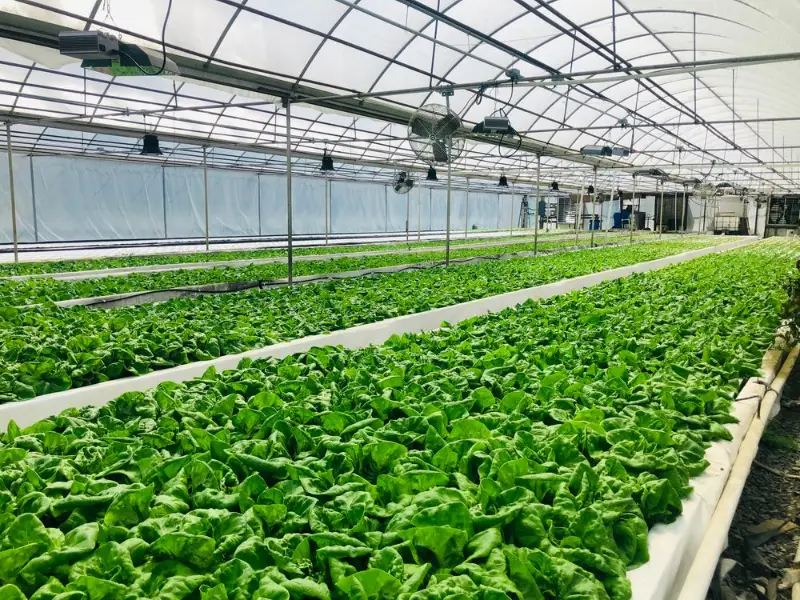
Description
Hydroponic Pipes

Hydroponic Pipes carry nutrient solution between a reservoir, pump, supply line and growing channels in a soil-free growing system. Their material, diameter, layout and connections must suit the chosen hydroponic method, crop and operating conditions. A pipe is only one part of the system; water quality, nutrients, flow, drainage and sanitation also need planning.
Before buying materials, decide whether the pipe will be a supply line, return line or a plant-growing channel. Then confirm that the material is suitable for the intended water or nutrient-solution contact and that fittings, pump, filter and support structure are compatible. Do not treat ordinary irrigation pipe as an automatic replacement for a purpose-built NFT channel.
 
Hydroponic Pipes: 4 types to compare
Hydroponic systems use several kinds of pipe and channel. The name can describe a material, a water-delivery role or a growing surface. Compare the exact product, food-crop suitability and manufacturer guidance instead of selecting only by diameter.
1. Rigid PVC growing channels
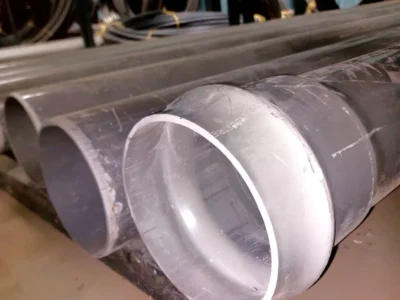
Rigid PVC pipe or a purpose-designed channel can form part of a growing-channel layout when it is suitable for that use. In NFT arrangements, plants are held above a shallow moving solution. However, channel profile, root space, plant spacing, cleaning access and light exclusion all matter alongside the pipe material. Therefore, confirm the complete channel design before drilling planting holes.
2. HDPE supply and return pipes
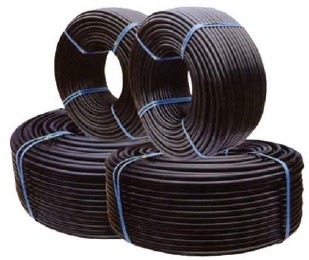
HDPE can be used as a flexible water-distribution or return line around a greenhouse or hydroponic frame. It is not automatically a plant-growing channel. Therefore, identify whether the component will deliver solution, return it to the reservoir or support plants before choosing its size and fittings.
3. Rectangular NFT channels or gullies
Purpose-designed rectangular channels provide a wider base and are often used in NFT layouts. The Oregon State University NFT guide explains that NFT channels have limited rooting space and are best suited to short-lived or small-rooted crops such as herbs and leafy greens.
4. Flexible tubing
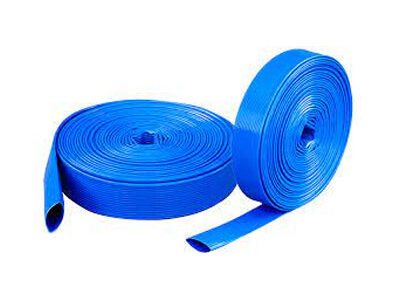
Flexible tubing commonly joins a reservoir, pump, filter or channel inlet. It can make routing easier, but it needs compatible connectors, a secure path and regular inspection for kinks, leaks or blockages. In addition, use the manufacturer’s pressure and chemical-compatibility guidance for the exact tubing.
Compare Hydroponic Pipes by system role
| Component | Role to consider | What to verify |
|---|---|---|
| Rigid channel | Holding plants above a shallow nutrient stream | Root space, slope, light exclusion and cleaning access |
| HDPE line | Moving solution to or from equipment | Size, pressure rating, fittings and routing |
| Rectangular NFT gully | Commercial or structured NFT growing layout | Channel profile, supports and return drainage |
| Flexible tube | Short equipment connections | Connector fit, kink resistance and inspection access |
Use the table to separate growing channels from plumbing lines. For example, an HDPE pipe may be useful for a supply run, while a rectangular gully may better suit a particular NFT plant layout. Nevertheless, neither choice removes the need to calculate flow, return drainage and pump capacity.
Hydroponic Pipes in NFT systems
In Nutrient Film Technique, plants are normally held in channels or troughs while a shallow stream of nutrient solution moves past their roots. Solution is pumped from a reservoir to the higher end, flows through the channel and returns for recirculation. The University of Minnesota Extension describes NFT as using channels angled downward to allow the solution to return to the reservoir.
Maintain a continuous, appropriate flow without submerging or drying the roots. The correct slope and flow depend on the particular system, crop and channel. Therefore, follow the system designer’s or kit manufacturer’s specifications rather than copying a generic pipe angle or pump setting. In particular, test the return flow before planting.

Hydroponic Pipes: the system around the channel
Growing channels work with a reservoir, pump, supply line, return path, fittings, filtration and supports. A blocked return or failed pump can stop the nutrient film even when the channel itself is sound. Consequently, plan every component as one system and leave access for inspection and repair. Also, identify the component that must be isolated for cleaning.
- Reservoir. Holds the nutrient solution outside the growing channel.
- Pump and supply line. Move solution to the channel inlet at the required rate.
- Growing channel. Holds plants and guides a shallow flow past the roots.
- Return line. Carries excess solution back to the reservoir.
- Filter and fittings. Help protect equipment and make compatible connections.
- Supports and power plan. Keep the layout stable and address pump-reliance risks.
OSU notes that power loss or pump failure can cause immediate wilting in NFT systems because the nutrient film stops. Include monitoring and a suitable backup or response plan for the scale of the operation.
Hydroponic Pipes and material selection
Choose materials based on their actual role and the manufacturer’s suitability statement. For food crops, do not assume that every pipe, adhesive, sealant or recycled item is appropriate for contact with nutrient solution. Instead, confirm the intended water contact, temperature range, cleaning method and relevant material specification.
Also, exclude light from the solution wherever the system design requires it. The University of Minnesota Extension notes that reducing light penetration in growing areas and the reservoir helps prevent algae growth. Keep channels, covers and reservoirs clean, opaque where appropriate and accessible for inspection.
Crops for Hydroponic Pipes
Hydroponic Pipes used as NFT channels are often most practical for leafy vegetables and herbs with relatively small root systems. Lettuce, spinach, kale, coriander, spring onions and some herbs may suit a correctly designed channel. Crop choice still depends on root volume, plant spacing, climate, nutrient management and system design.
Larger fruiting crops such as tomatoes, cucumbers and capsicum often need more root space and support. They may be better suited to a different hydroponic method, such as a drip-fed substrate arrangement, rather than a conventional narrow NFT pipe. Choose the growing method before purchasing the channels.
Compatible shop components for Hydroponic Pipes
| Live shop item | Potential system role | What to verify |
|---|---|---|
| Hydroponic Pipes | Growing channel, supply line or return plumbing according to the design | Water-contact suitability, root space, flow, fittings and support requirements |
| HDPE irrigation pipes | Supply or return plumbing where the design calls for HDPE | Size, pressure rating, nutrient-contact suitability and layout |
| PVC pipes | Plumbing component where the exact pipe is approved for the planned role | Material specification, fittings, cleaning method and crop-contact suitability |
| HDPE tee fittings | Branching a compatible HDPE plumbing line | Selected size, connection type and system pressure |
| Irrigation Water Filters | Filtering water before suitable downstream equipment | Filter type, size, flow and maintenance access |
Confirm compatibility with the system designer, manufacturer and crop requirements before ordering.
Planning a Hydroponic Pipes layout
Measure the greenhouse or growing area before cutting or drilling anything. First, allow plant spacing, service access, reservoir space, return drainage, filter access, pump removal and safe electrical routing. Keep channels supported so they cannot sag, shift or spill solution.
Do not heat and reshape PVC without understanding the material hazards, ventilation and manufacturer limits. A purpose-designed channel or professionally planned fabrication can be safer and more predictable than a do-it-yourself modification. Test the layout with clean water first, then address leaks, tipping and return flow before adding nutrient solution or plants.
Vertical Hydroponic Pipes
Vertical arrangements can increase plant density in a limited footprint, but they also make water distribution, shading, support loads and maintenance more complex. Therefore, confirm that each level receives the intended flow and that lower plants are not excessively shaded. Provide stable anchoring and catch any drainage safely.
Maintaining Hydroponic Pipes
Inspect joints, supply lines, return drains, filters, pump intakes and channel slopes regularly. Next, remove root debris and deposits before they obstruct flow. The University of Minnesota Extension notes that plant debris, algae, nutrient precipitates and hard-water minerals can clog tubing or pumps.
Clean and sanitise between crop cycles using a procedure compatible with the system materials and food-production requirements. First remove organic debris because it can interfere with cleaning. Then flush according to the selected procedure, and do not discharge nutrient or cleaning solution where it can harm people, plants or water sources.
Hydroponic Pipes: mistakes to avoid
Do not confuse a supply line with a growing channel, and do not select pipe only because it is inexpensive or easy to drill. Avoid inadequate slope, unsupported spans, exposed nutrient solution, inaccessible filters and unplanned power dependence. Each can interrupt flow or create sanitation and maintenance problems.
Likewise, do not assume that soil-free growing eliminates all disease risk. Recirculating systems need water-quality, crop-health and sanitation controls. The FAO notes that water-delivery systems in hydroponic culture should be maintained and cleaned as appropriate to reduce microbiological contamination.
Hydroponic Pipes: frequently asked questions
What are Hydroponic Pipes used for?
They can carry nutrient solution as supply or return plumbing, or form part of a growing-channel arrangement. Their appropriate role depends on the hydroponic method and the exact pipe or channel specification.
Can ordinary PVC pipe be used for hydroponics?
Only if the exact product and associated materials are suitable for the intended role and food-crop use. Confirm manufacturer guidance rather than assuming every plumbing pipe is appropriate as a channel.
What is NFT in hydroponics?
Nutrient Film Technique is a method where a shallow, continuously moving nutrient solution flows through channels near plant roots and returns to a reservoir.
Which crops suit NFT channels?
Leafy greens and herbs with smaller root systems are common choices. Crop suitability still depends on channel dimensions, spacing, climate, nutrient management and production goals.
Do hydroponic pipes need a slope?
NFT channels generally need an appropriate slope for return flow, but the setting must follow the particular system design. Avoid copying a generic angle without checking the channel and pump specifications.
How do I stop pipes from clogging?
Inspect and clean channels, filters, tubing and pump intakes regularly. Control light exposure and remove plant debris, algae and mineral deposits before they restrict the flow.
Ask about Hydroponic Pipes before ordering
Before buying Hydroponic Pipes, describe the hydroponic method, crop, channel role, reservoir size, pump, flow plan, support structure and fittings needed. Ask about the exact product’s water-contact suitability, size, pressure rating and compatible connectors. Finally, confirm current availability and price before placing an order.
For Eunidrip enquiries, call +254 728 163329. Confirm the exact specification, size, water-contact suitability and compatible connectors before ordering.