
Description
Polyvinyl Chloride Pipes(PVC)
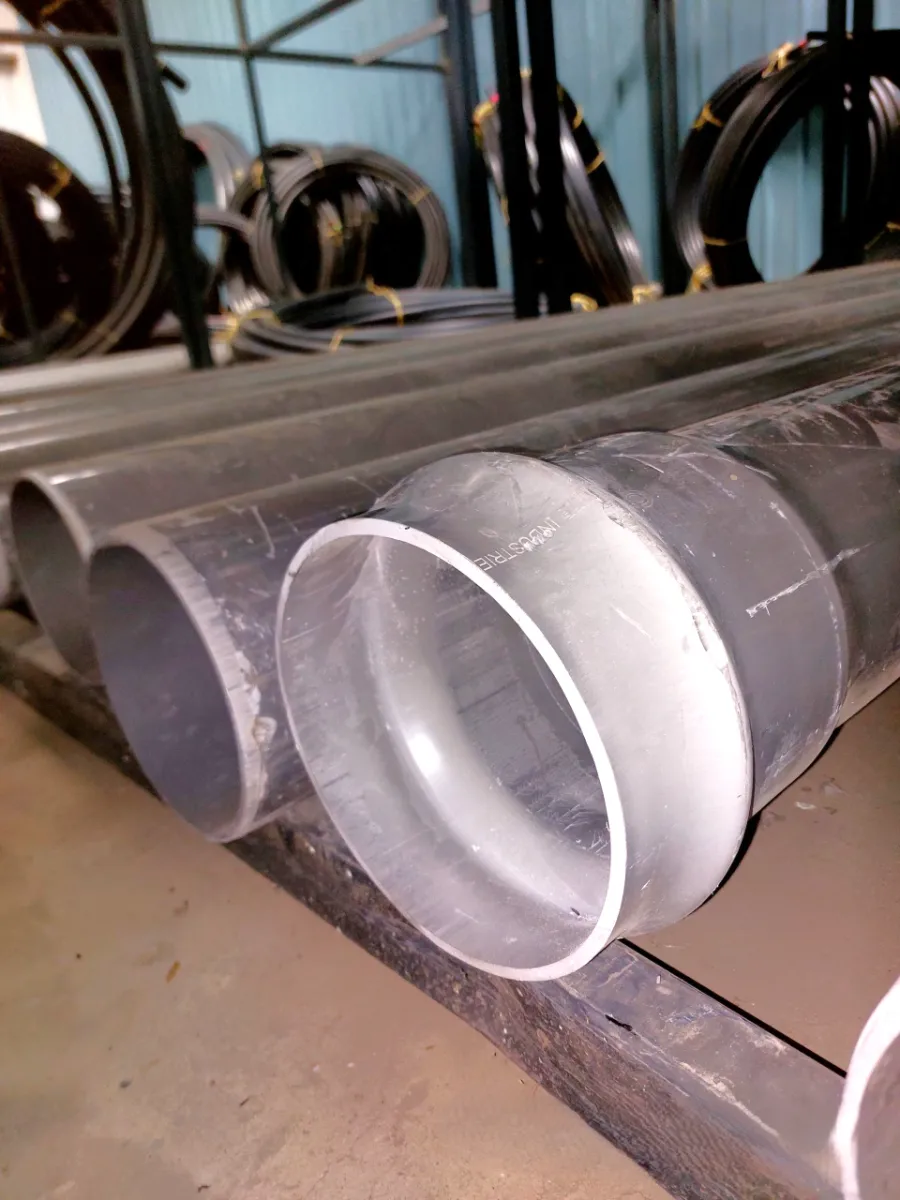
PVC pipes are rigid polyvinyl chloride tubes used across Kenya for water supply, irrigation and building work. They are one of the most widely used pipes in the country because the material is tough, light and cheap. Specifically, they serve industrial, technical and everyday jobs, including smart agriculture. This listing covers the sizes we stock, the pressure classes, the price per size and how to fit them.
Therefore you can match a pipe to the job before you order. The sections below set out uses, sizes and prices, classes, installation and the checks to make before you pay.
What These Pipes Are Used For
PVC pipes move water in plumbing, irrigation and construction projects. In farming they carry water from a pump or a gravity tank to the field. They also build vertical and conical gardens, which stack planting space where land is scarce or expensive. Moreover, the material suits both rigid and semi-flexible runs, and it comes in white, grey or black. For a broader look at pipe options on the farm, see our quality irrigation pipes for crop farming guide.
PVC Pipes Sizes and Prices in Kenya
PVC pipes come in diameters measured in millimetres or inches. The running length of each pipe is normally six metres, and each size carries its own price. The table lists the standard sizes we stock and their prices in Kenya shillings.
| Pipe diameter (mm) | Inches | Price (KSh) |
|---|---|---|
| 32 | 1 inch | 350 |
| 40 | 1-1/4 inch | 545 |
| 50 | 1-1/2 inch | 730 |
| 63 | 2 inch | 1,150 |
| 75 | 2-1/2 inch | 1,575 |
| 90 | 3 inch | 2,300 |
| 110 | 4 inch | 2,730 |
| 140 | 6 inch | 4,500 |
| 160 | 8 inch | 5,680 |
| 200 | 10 inch | 9,000 |
| 225 | 12 inch | 11,365 |
However, the price also moves with the class of the pipe, not the diameter alone. A thicker, stronger wall costs more than a thin one at the same size. Consequently, confirm the class you need before you compare quotes.
PVC Pipes Pressure Classes A to E
PVC pipes are made in classes A, B, C, D and E. The class describes how much pressure the wall can hold. Classes A and B are the lighter, weaker walls. Classes C to E are the strongest. Therefore the higher the class, the stronger and the more expensive the pipe.
For light duty under low pressure, such as gravity flow, the lower classes are enough. They have a lower pressure rating and suit water that moves without a pump. But where a pump drives the water, choose the higher classes, because their thicker walls withstand the pressure. Likewise, buried pipe can use a lower class, since the soil shields it from sun and mechanical damage. For the full range of pipe types and classes we supply, browse the pipes for sale category.
PVC Pipes vs HDPE Pipes
Both pipe types carry water, yet they suit different jobs. PVC is rigid and joined with solvent cement or a rubber ring. HDPE is flexible, comes in coils and is fused or compressed. The table sets the two side by side.
| Feature | PVC pipes | HDPE pipe |
|---|---|---|
| Form | Rigid 6 m lengths | Flexible coils |
| Joining | Solvent cement or rubber ring | Butt fusion or compression |
| Strength rating | Classes A to E | PN pressure ratings |
| Best for | Buried mains, gravity and pumped lines | Uneven ground, long coil runs |
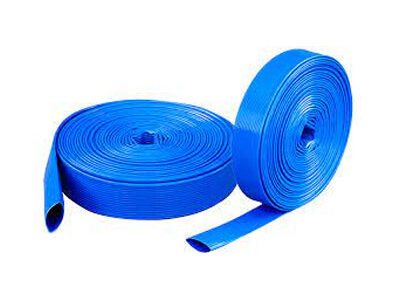
For the flexible alternative, read our HDPE pipes for sale in Kenya page. If you need a soft hose that rolls flat instead, see PVC lay flat hose.
Installation Procedure
Good installation starts with the right tools. Specifically, gather a hacksaw and blades, Tangit solvent cement, protective gear and the PVC fittings for the run, such as sockets, tees, elbows and rubber rings. First, check that no length has a crack along it.
For underground laying, dig a channel about a foot wide, with the depth set by the pipe size. Join lengths beyond six metres on the surface with Tangit cement, then wait at least ten minutes for it to cure. Before lowering the run into the channel, confirm each joint is sound, with the sharpened end facing the water intake and the rubber rings correctly seated. Also clear stones from the channel so they cannot press on the pipe or the joints. Cover the pipe but leave the joints open until you have water-tested the line. Finally, after the test passes, cover the joints.
Properties and Advantages
The pipe resists chemicals and corrosion, so soil chemicals do not degrade the wall. They are tough, durable and resistant to cracking and leakage. In a well-made system the joint is stronger than the pipe itself. Moreover, the material is light, which cuts transport and handling cost, and it is relatively cheap next to other pipe types.
The smooth wall gives low friction and low flow resistance, so water moves with little loss. The pipe adapts to uneven settlement and resists wear. It is non-toxic and tasteless, and it does not scale, which keeps water quality intact. Buried PVC pipe is quoted at around 55 years of service. Finally, the material is recyclable, so offcuts and old pipe can be reused rather than dumped.
How to Choose the Right Pipe
- Match the diameter to the flow you need, from 32 mm to 225 mm.
- Pick the class for the pressure: low for gravity, high for a pump.
- Use a lower class for buried runs, a higher one where pipe is exposed.
- Confirm the 6 m running length and the price per size before ordering.
- Buy the matching fittings, cement and rubber rings with the pipe.
- Check each length for cracks before it goes into the ground.
Therefore the right choice follows the job, not the cheapest sticker. A pipe that is too weak for the pressure will fail, and a pipe that is too strong for gravity wastes money.
PVC Pipes: Frequently Asked Questions
What sizes do PVC pipes come in?
They run from 32 mm (1 inch) to 225 mm (12 inch), in 6 m lengths. Each size has its own price, listed in the table above.
Which class of PVC pipe should I use with a pump?
Use the higher classes, C to E. Their thicker walls withstand pump pressure, while classes A and B suit low-pressure gravity flow.
How are PVC pipes joined?
Lengths are joined with Tangit solvent cement or a rubber ring in the bell end. Wait ten minutes for the cement to cure before moving the run.
How long do buried PVC pipes last?
Buried PVC pipe is quoted at around 55 years of service, because the soil shields it from sun and mechanical damage.
Are PVC pipes cheaper than HDPE?
Generally yes. PVC is rigid and cheaper per metre, while HDPE costs more but coils and flexes over uneven ground.
Where to Buy PVC Pipes in Kenya
We stock the sizes and classes above, with the fittings to match. For the whole pipe family in one place, see our irrigation pipes for sale in Kenya hub. Send the diameter, class and length you need through our contact page and we will confirm stock and price. Background on the material itself is at Wikipedia’s polyvinyl chloride article.