
Description
Rain Hose pipe
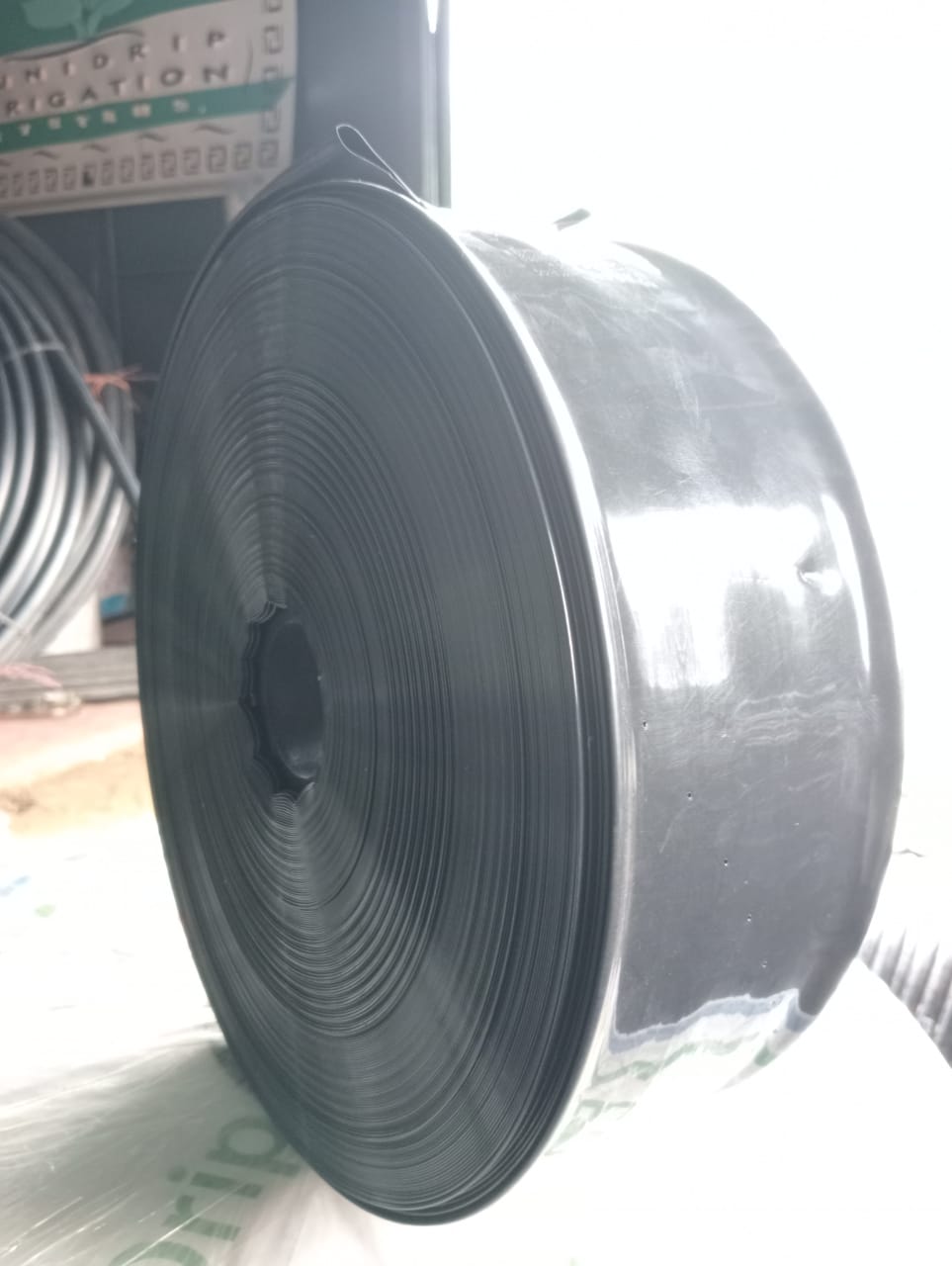
Rain hose pipe is a layflat LDPE tube with fine holes punched along its length. Therefore it throws water into the air as a soft spray over low crops.
Moreover one lateral wets a strip up to seven metres wide, so a single run covers many beds. Eunidrip stocks it in five sizes, from 28mm to 63mm, in 50 or 100 metre rolls.

Rain Hose Sizes, Wetting Radius and Prices
The table lists the published wetting radius and roll length for each size. Specifically the radius grows with the pipe diameter, from three to seven metres.
| Size (mm) | Wetting radius (m) | Roll length (m) |
|---|---|---|
| 32 | 3 | 100 |
| 40 | 5 | 100 |
| 50 | 7 | 100 |
However the shop also lists 28mm and 63mm rolls, so confirm the radius for those two before layout. Consequently your bed spacing matches the actual water throw.
Current sale prices run from KSh 2,500 to KSh 5,500 per 100 metre roll. Therefore ask for the price of your exact size, because the range spans five diameters. Moreover a full roll weighs little, so one person can carry and unroll it alone.
Components and Fittings
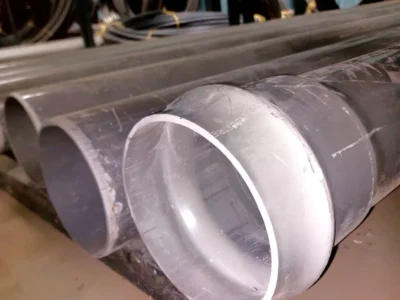
A working network needs four parts besides the pipe itself. First the mainline, usually HDPE, PVC or PPR, carries water out to the field.
Next barbed take-offs tap the mainline and grip each lateral. Our take-off connector range matches the hose sizes.
Then a rain hose connector joins two rolls or repairs a cut. Likewise a rain hose valve isolates a block for maintenance.
Finally a rain hose end plug or end cap corks the last lateral so pressure holds.
Crops That Suit Overhead Spraying
This overhead method suits low, leafy crops that tolerate wet foliage. For example cabbage, lettuce, broccoli, kales, spinach and collards all thrive under it.
Moreover nurseries, pasture, grass and legumes use it widely, and strawberry and carrot beds accept the fine spray.
However avoid it on fungal-prone fruiting crops. Consequently chili, green beans, peas, peppers, potatoes and tomatoes belong on drip instead.
Installing the System
First level the field and clear debris so the laterals lie flat. Next confirm your pump delivers about three bar, or a thirty metre head.
Then size the mainline one step above the lateral, roughly a 1.5 to 1 ratio. Specifically a 32mm lateral pairs with a 40mm or larger mainline.
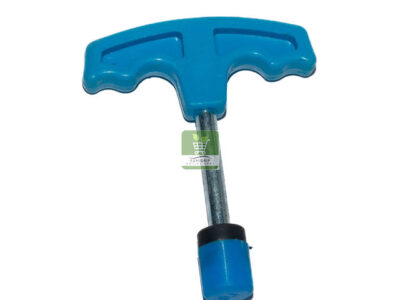
After laying the mainline, run the laterals to the far end of the field. Then punch holes with the correct tool and insert the take-offs.
Therefore professional punching matters, because a ragged hole leaks pressure.
Finally push each lateral onto its take-off, tighten the fixing nut, and cork the far end with the end plug.
Choosing Between Overhead and Drip
The overhead pipe wets the whole strip from above, while drip tape places water at each root. Therefore it costs less to lay but loses more to evaporation.
Moreover maintenance stays cheap, because only the pipe and a few fittings ever wear. As a result the running cost stays below most other overhead systems.
For the full trade-off read our drip tape vs rain hose comparison. Likewise the rain hose irrigation guide walks through a complete system design.
Rain Hose: Frequently Asked Questions
What is the pipe made of?
Low-density polyethylene (LDPE), perforated along its length so water escapes as fine jets.
How wide does one lateral wet?
Three to seven metres depending on size, as the radius table above shows.
What pressure does the system need?
About three bar, equivalent to a thirty metre pump head, for an even spray.
Which crops should not use it?
Fungal-prone fruiting crops such as tomatoes, potatoes, peppers, peas, beans and chili.
Do you supply fittings and advice?
Yes. Take-offs, connectors, valves and end plugs ship with the pipe, with layout advice after sale.
Order Rain Hose from Eunidrip
Eunidrip supplies the pipe and its fittings across Kenya, from Nairobi to Nakuru, Eldoret, Kisumu and Mombasa. Specifically the team confirms size and radius against your field before you pay.
Finally browse the pipe category or send your field sizes through the contact page for a quotation. For the overhead method see Wikipedia’s irrigation sprinkler article.