
Description
 Rain Hose Connectors: Straight and Tail Fittings
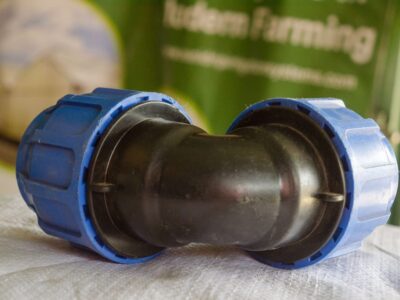
Rain hose connectors are the fittings that join rain hose to itself. They also tie a hose line to a valve, an adapter, or a mainline pipe. In practice, one rain hose line runs from a single source across a whole bed. That line only works if every joint holds pressure. Eunidrip stocks connector fittings for 32 mm, 40 mm and 50 mm rain hose. We supply farms, greenhouses and nurseries across Kenya. Every molded part is checked for a true bore and a clean barb.
What Is a Rain Hose Connector?
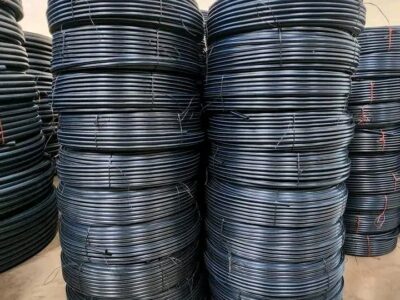
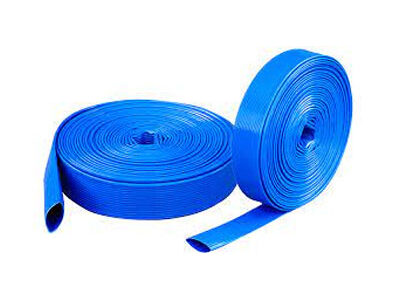
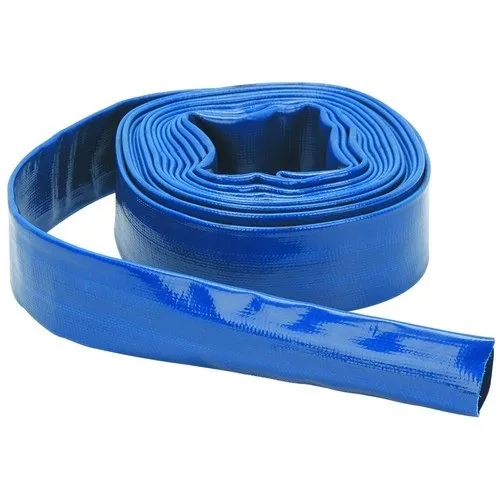
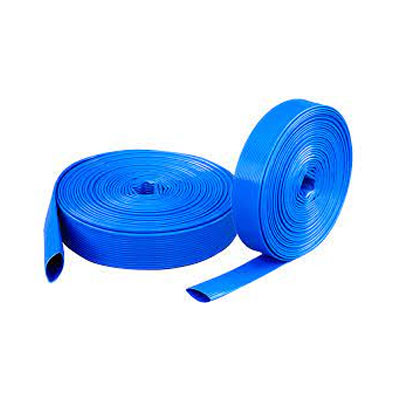
Rain hose is a lightweight lay flat pipe. Small holes run along its length. Water seeps out of those holes and wets the soil in an even band. Because the flow sits low and slow, farmers use it on vegetable beds instead of overhead sprinklers. A rain hose connector is the plastic fitting that closes the gap between two lengths of that pipe, or between the pipe and the rest of your system.
Most fittings on this shop are barbed. A barb is a ridged tail that you push inside the hose. The ridges bite into the pipe wall. Meanwhile, the water pressure in the line pushes the hose tighter onto them rather than off them. Therefore you need no glue, no thread tape, and no special tool to make a joint that holds.
Some models add a thread on the second end. That threaded end mates with a male adapter, a valve, or a compression fitting. As a result, you can take a rain hose line off a mainline without cutting anything. See our HDPE adapters for the threaded partners to these fittings.
Rain Hose Connector Types and Where Each One Is Used
Different jobs need different bodies. The five patterns below cover nearly every layout we install on Kenyan farms.
| Connector type | What it does | Typical use |
| Straight coupling | Joins two hose ends in line | Extending a run past one roll length |
| Tail connector | Barb on one side, thread on the other | Feeding hose from a valve or adapter |
| Inline cut-off valve | Stops flow to one line without closing the main | Isolating a bed while the rest irrigates |
| Reducer socket | Steps a larger hose down to a smaller one | Moving from 50 mm to 32 mm |
| End cap | Seals the far end of a line | Closing a dead-end bed run |
Also worth knowing: a coupling is not a union. A coupling is permanent once you push it on. A union lets you pull a line apart for washing. If you flush your lines each season, plan for unions or end plugs at the far ends.
Rain Hose Connectors Supplied as a Fitting Set
The photo on this listing shows a typical laid-out set: one coil of black layflat rain hose, a barbed tail connector, a threaded adapter, a small straight coupling, and a red-handled inline valve. Each part does a separate job, and a line built without one of them usually leaks or cannot be controlled.
The tail connector brings water from the mainline into the hose. The adapter converts that into a threaded joint you can undo later. The coupling extends a run beyond one roll. Finally, the inline valve is the part most farmers skip and then want. It lets you shut one bed off while the rest of the block keeps watering, which matters when one crop is finishing and another is just planted.
Buy a set where the fittings match the hose bore on your roll. Mixed bores are the most common cause of a joint that blows off under pressure.
Rain Hose Connector Sizes: 32 mm, 40 mm and 50 mm
Rain hose in Kenya is sold by nominal bore. Our hose comes in three sizes: 32 mm, 40 mm and 50 mm rain hose. Each connector is moulded to one of those bores. So a 40 mm coupling will not seal a 32 mm hose. Buy the fitting size to match the size printed on your roll.
Measure before you order, because nominal sizing is not outside diameter. Wrap a tape around the hose or push the barb in by hand. A correct fit needs firm pressure and a straight push. However, if it slides in with no resistance, water will blow it off the first time you open the valve.
Choose the bore by run length rather than by crop. A 32 mm line carries water well over short beds. On a long run it loses pressure along the way, and the last metres barely weep. For runs beyond roughly 50 metres, step up to 40 mm or 50 mm. Instead, you can split the plot into two fed lines.
Where Rain Hose Connectors Are Used on Kenyan Farms
Vegetable beds
Tomato, kale, onion and carrot beds are the most common job. Rain hose runs along each bed. First, lay the line, then join two rolls with a straight coupling so one valve feeds a whole block.
Greenhouse watering
Inside a structure, a rain hose connector lets you shorten or lengthen a line. Plans change between seasons, and nothing here is glued. Our greenhouse supplies cover the film, profiles and nets that go with it.
Nurseries and seedbeds
Young seedlings need a gentle, even wet. Laid flat along trays, rain hose gives that band of moisture. It avoids the hammering impact of a sprinkler jet on small leaves.
Potato and maize rows
Ridged crops suit a line dropped into each furrow. Tail connectors feed those furrows from a mainline. In addition, reducers step the bore down as the rows get shorter.
Tree nurseries and avocado rows
Wider spacing needs longer runs, so this is where pressure loss bites hardest. Use the largest bore your source can feed. Then keep each connector run short and tested.
How to Install a Rain Hose Connector
- Cut square. Trim the hose end flat with a sharp knife so the bore stays round.
- Warm the hose. In cold weather, dip the end in warm water for a few seconds. A flexible pipe slides over the barb more easily.
- Push home. Drive the fitting in until the last ridge clears the hose wall.
- Test before you bury. Open the valve and walk the line. Every joint should be dry before you cover anything with soil.
- Anchor the ends. A sealed far end keeps pressure in the line. It also stops the hose unrolling itself out of a coupling.
Next, keep a spare of every size you use. A split coupling mid-way through a watering round stops the whole bed. For example, one failed joint can wilt a block of tomatoes overnight. Holding spares costs far less than that.
Rain Hose Connectors Compared with Drip Line Fittings
Rain hose and drip tape water a field differently, and their connectors differ too. A drip line taps into a mainline through a punch and a take-off fitting. Rain hose, however, normally runs from the end of a pipe. For tape systems, see our take-off connectors and drip tape connectors.
Both systems share the same pipe work upstream. The irrigation pipes we stock feed either layout. Our guide to HDPE punchers covers the hole you cut before a fitting goes in. Meanwhile, the Food and Agriculture Organization irrigation manual explains how to size a distribution line before you buy fittings at all.
Quality Features of the Fittings We Sell
Every connector we list is moulded from virgin polypropylene, not regrounded plastic. That matters outdoors. Sun and heat make poor compound go brittle. A brittle fitting cracks the season after you install it.
In addition, our barbs carry a slight taper and deep ridges. That combination gives an easy push-in and a hard pull-out. Each batch is sampled against a working line before it reaches the shelf. Therefore a bad mould does not reach a farm.
Rain Hose Connectors — Frequently Asked Questions
What size rain hose connector do I need?
Match the fitting to the bore printed on your hose roll. That is 32 mm, 40 mm or 50 mm. Do not mix sizes across one joint.
Will a rain hose connector leak?
Not if you cut the hose end square and push it fully home. Leaks almost always come from a torn pipe wall or a half-seated barb.
Can I repair a split rain hose with a connector?
Yes. Cut out the split section, then join the two good ends with a straight coupling. This is the cheapest fix available, and it takes minutes.
Do I need glue or clamps on the joint?
No. The barb holds by friction and by line pressure. Instead, use a clamp only where a hose has gone oval from being crushed flat.
How many connectors should I buy per acre?
Count your beds first. Then add one spare coupling and one spare tail connector for every ten joints. Fittings are cheap, but a broken line on a hot day is not.
Are these fittings UV resistant?
They are UV-stabilised polypropylene, and they suit shaded or buried positions. Bury or mulch any joint you can, since shade extends the life of every plastic fitting.
Where to Buy Rain Hose Connectors in Kenya
Eunidrip Irrigation Systems supplies connectors, hose, valves and full drip kits from one place. So your sizes match across the whole layout. We deliver countrywide, and our team can size a block from your bed lengths before you order.
Call or WhatsApp 0724 775 516 with your hose size and the number of runs. Alternatively, use our contact page to send a layout. Tell us the bore, the bed lengths, and where your water source sits. We will quote the fitting count with it.