
Description
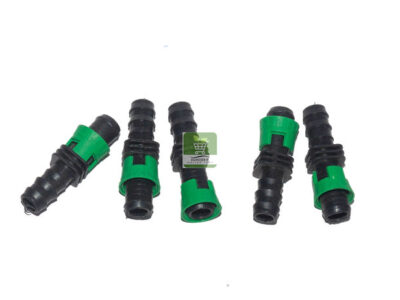
Drip starter connector
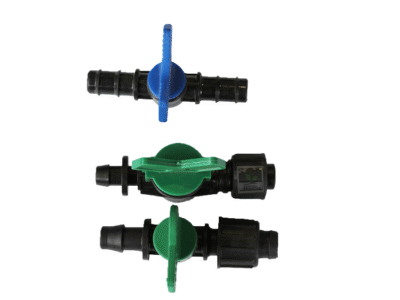
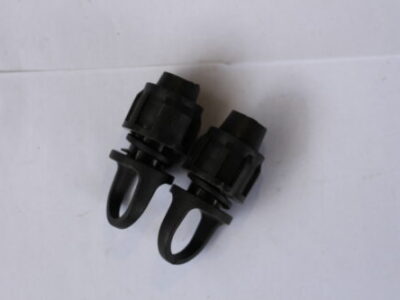
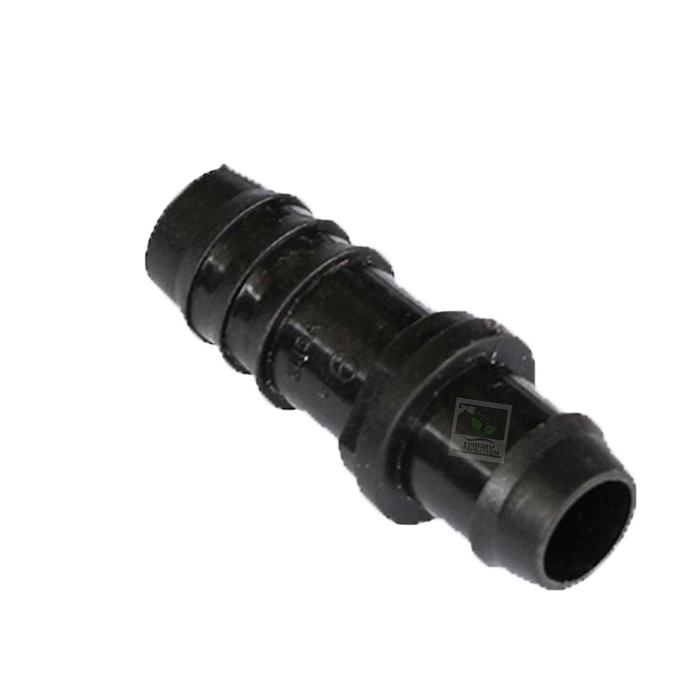
A drip starter connector joins the drip tape to the water supply pipe. One punched hole in the submain then feeds a whole row. The stocked piece is a 16 mm barbed straight fitting in black polyethylene. A centre hex takes a spanner. It pushes into a grommet-sealed hole and grips the tape without clamps or glue.
What a Drip Starter Connector Does
The fitting sits between two sections of the system. Those are the supply side and the drip side. On the supply side it seats in the submain or mainline. Often a riser pipe lifts water from an underground main to the tape. On the drip side the barb stack holds the tape under pressure.
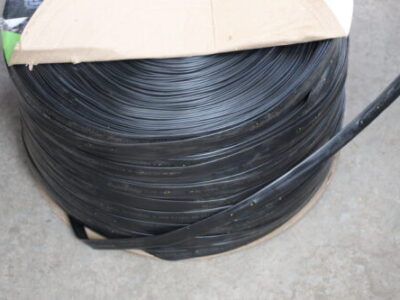
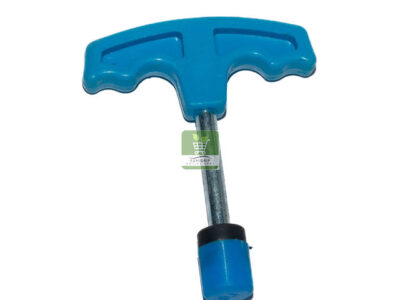
Starter connectors work with competent irrigation equipment. For example, it pairs with drip takeoff connectors, grommet rubbers and pipe punches. The punch makes the hole in the submain. Then the grommet seals that hole before the starter goes in. Most starters are black. They come in various sizes to match the drip lines and tapes on the market.
Drip Starter Connector Size and Price
The shop stocks one variation of this fitting. Its price is per piece. The table carries verified store figures, not a catalogue estimate.
| Variation | Size | Regular price | Sale price | SKU | Stock |
|---|---|---|---|---|---|
| 2064 | 16 mm | KSh 20 | KSh 15 | EU2064 | In stock |
Other diameters are quoted on request. Tapes and lines differ across brands. For example, a 12 mm tape needs its own starter size. Forcing it onto a 16 mm barb leaks at the first pressure spike.
Fitting a Drip Starter Connector Step by Step
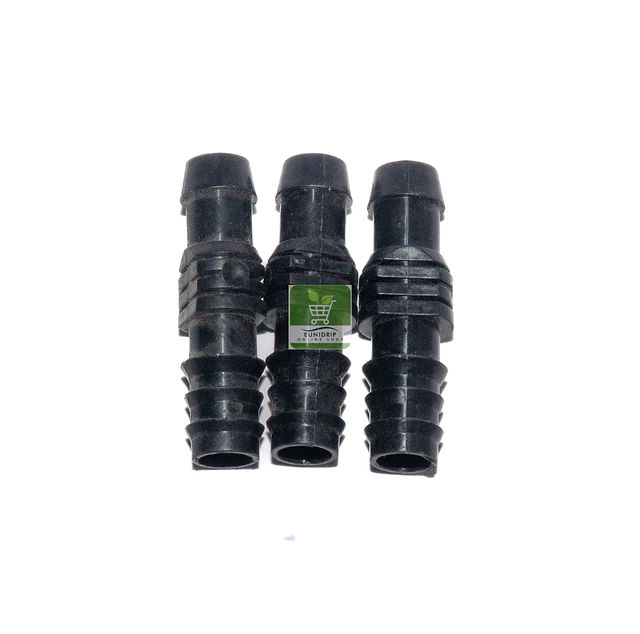
First, punch the submain with the HDPE puncher. Use the row spacing your layout calls for. Next, press the grommet rubber into the drilled hole. It seals the pipe wall around the hole. Then push the starter in until the hex collar sits flush.
Finally, push the drip tape onto the free barb and run the row. However, check the supply pipe diameter before you punch many holes. In smaller pipes the takeoff blocks water from reaching the far end. Therefore use larger supply diameters on long blocks. The last row then drips as evenly as the first.
Drip Starter Connector vs Takeoff and Tape Connectors
Three fittings look alike but do different jobs. The table separates them so a repair order buys the right piece.
| Fitting | Job in the system | Where it sits |
|---|---|---|
| Drip starter connector | Starts a drip run from the supply pipe | Submain or riser to tape |
| Takeoff connector | Takes water off the submain to a lateral | Submain outlet |
| Drip tape connector | Joins tape ends or extends a tape run | Tape to tape |
Choose the starter when a run begins at the supply pipe. Choose the tape connector for repairing or lengthening an existing run. Also, a starter can feed a riser where the mainline runs underground. A tape-to-tape joiner cannot do that.
Pressure and Pipe Matching for a Drip Starter Connector
The standard rating is up to 16 bars. However, most irrigation systems work best at three bars and below. Working pressure determines the riser pipe and the drip line you pair with it. A high working pressure calls for a pressure-compensated drip line, not an uncompensated one.
The fitting works with low-density and high-density polyethylene pipe. So it matches the LDPE and HDPE submains on most Kenyan farms. In practice, match the barb to the tape inner diameter. Do not match it to the pipe outer diameter. Otherwise the joint weeps at the first valve close.
Drip Starter Connector Material and Build
The body is moulded polyethylene, highly resistant to UV rays. That matters because the joint sits above ground for seasons. The barb stacks are the working part. Each ridge bites the tape wall, so the grip holds without a clamp. The centre hex gives a spanner something to hold. Stiff tape then needs less persuading.
It is easy to connect and disconnect on both riser and supply line. So a blocked row can be lifted and flushed without cutting pipe. That reuse is the quiet saving. A starter surviving three tape changes costs less per season than a glued joint.
Drip Starter Connector Frequently Asked Questions
What size drip starter connector does the shop stock?
One variation, 16 mm, at KSh 15 on sale. The regular price is KSh 20. Other diameters are quoted on request because tape sizes differ.
Does a drip starter connector need a grommet?
Yes, where it enters a punched submain hole. The grommet seals the drilled wall first. Then the starter pushes into the grommet. Without it the hole weeps around the barb.
Can it join two tape ends?
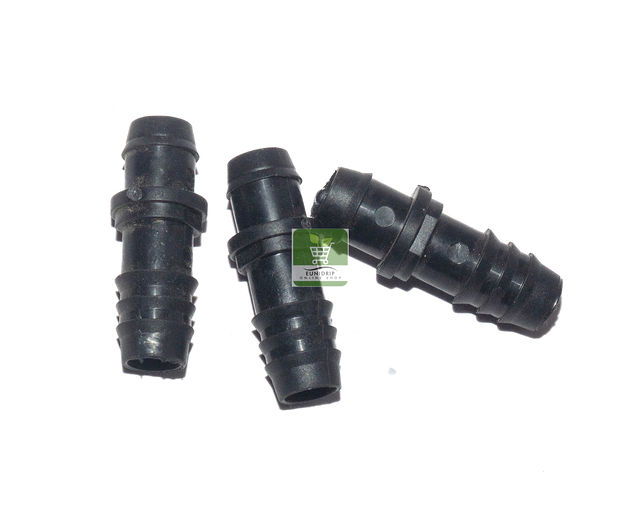
It can grip tape on both ends. However, its job is starting a run at the supply pipe. For tape-to-tape repairs use the drip tape connector instead.
What pressure can it take?
The standard rating is up to 16 bars. Most drip systems run at three bars or below. Pair high pressure with pressure-compensated line.
Will it fit HDPE and LDPE pipe?
Yes. The polyethylene body is commonly used with both LDPE and HDPE supply pipe. It enters through a grommet or a riser as the layout requires.
How do I stop the far end of a block starving?
Increase the supply pipe diameter. Small submains lose reach as takeoffs multiply. Therefore a larger supply pipe keeps the last row even with the first.
Order Drip Starter Connector in Kenya
Order the 16 mm starter by phone or WhatsApp. The number is +254 728 163329. Delivery is countrywide, with free guidance on hole spacing and grommet sizes. For a whole block, not a repair, start from the drip tape page. Then read the drip irrigation kit guide and add starters per row. Our irrigation equipment supplier page lists the rest of the fittings bench.