

Description
Filter Pressure Regulating Valve
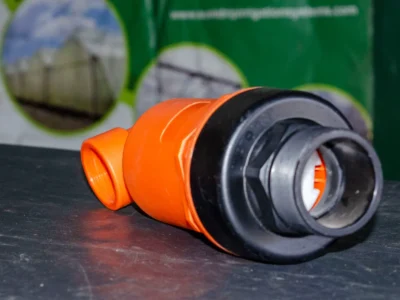
A Filter Pressure Regulating Valve is an irrigation assembly that filters water and controls downstream operating pressure. It supplies drip lines, emitters or other low-pressure equipment. The filter removes physical particles; the regulator reduces higher incoming pressure to the outlet pressure required by the irrigation design. Additionally, those remain separate functions even when one assembly combines them.
How a Filter Pressure Regulating Valve Works
Water enters through the inlet and first passes through a filter element. The element catches particles that could block small irrigation passages, depending on its type and rating. Then the pressure-regulating section controls the pressure delivered downstream. A Filter Pressure Regulating Valve may have a fixed outlet setting or an adjustable setting within the manufacturer’s stated range.
First, identify the water source, expected flow and the pressure range at the inlet. Next, match filtration to the emitter manufacturer’s requirement and the actual water quality. Finally, choose a regulator that can provide the required downstream pressure at the operating flow. A regulator cannot compensate for an undersized mainline, severely blocked filter or an incorrectly designed irrigation block.
Filter and Regulator: Two Different Jobs
| Component | Primary job | What it does not do |
|---|---|---|
| Filter | Removes physical particles from irrigation water. | It does not set the downstream operating pressure. |
| Pressure regulator | Reduces higher incoming pressure to a suitable downstream level. | It does not replace proper filtration. |
| Filter Pressure Regulating Valve assembly | Combines filtering and downstream pressure control. | It does not replace correct pipe sizing, pump selection or routine cleaning. |
In a typical drip arrangement, water reaches a shut-off or control point, then the filter and regulator protect the distribution tubing. The University of Arizona Cooperative Extension notes that a typical low-pressure drip system uses a pressure regulator after the filter. However, follow the assembly manufacturer’s marked flow direction and instructions whenever components are integrated.
Why a Filter Pressure Regulating Valve Helps Drip Irrigation
Drip emitters work through small flow passages, so debris and unsuitable pressure can affect performance. A Filter Pressure Regulating Valve supports a cleaner, more controlled supply to the irrigation section. Therefore, it is useful for kitchen gardens, greenhouse lines, nursery systems and other drip layouts when its flow, filtration and pressure specifications match the design.
Controlled pressure can help protect connectors, drip lines and emitters from excess operating pressure. Meanwhile, filtration can reduce the risk of particles reaching small outlets. Furthermore, check distribution uniformity across the whole section. It still depends on pipe diameter, lateral length, elevation, emitter characteristics, maintenance and total flow.
Parts of a Filter Pressure Regulating Valve Assembly
- Filter housing: directs water through the filtration section.
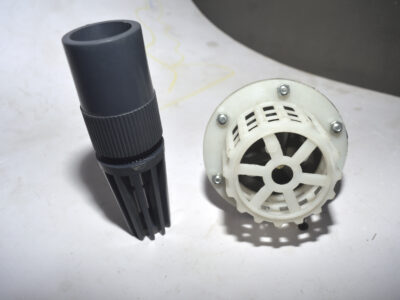
- Filter element: commonly a screen, disc stack or mesh cartridge suited to the water source and system requirement.
- Regulating mechanism: often a diaphragm and spring arrangement or another manufacturer-specific design.
- Inlet and outlet connections: join the assembly to the approved pipework.
- Service access: allows cleaning, inspection or replacement of the filter element where the model permits.
Specifically, do not select an assembly by connection size alone. The filter area, pressure loss, flow rating, outlet pressure, materials and maintenance access all matter. Moreover, check the data sheet before selecting a component for a greenhouse or farm irrigation block.
Fixed and Adjustable Pressure Regulation
A fixed regulator is made to maintain a stated outlet pressure and suits an irrigation zone with known requirements. An adjustable regulator permits changes only within its rated range. For example, a system with different irrigation zones may require distinct settings. However, every change must remain inside the pressure limits of the drip line and fittings.
Do not use adjustment as a substitute for measurement. Use suitable pressure gauges and compare readings with the equipment specifications. The University of California’s microirrigation guidance recommends checking both pre-set and adjustable regulating valves periodically against a reliable pressure gauge.
Choose the Right Filter Pressure Regulating Valve
- Record the source pressure and the required operating pressure at the irrigation equipment.
- Calculate the maximum flow for the irrigation section that will operate at one time.
- Choose a filtration type and rating that suit the water quality and emitter requirement.
- Confirm the regulator’s flow range, outlet setting and pressure limits from the manufacturer’s data sheet.
- Match the connections and material to the approved pipework and water conditions.
- Leave access for cleaning the element and reading pressure gauges.
Consequently, a small assembly may be appropriate for a compact drip zone but unsuitable for a high-flow commercial block. Water from rivers, dams or open reservoirs may also need a different filtration approach from relatively clean borehole or municipal water. Get a qualified irrigation designer’s input when flow, water quality or pressure is uncertain.
Related Products for a Filter Pressure Regulating Valve Layout
| System role | Item | |
|---|---|---|
| Filtering and pressure regulation | Filter Pressure Regulating Valve | |
| Filtration | Irrigation Water Filters | |
| Section control | Drip Valve for sale | |
| Main or supply line | Irrigation pipes for sale in Kenya | |
| Pumped water source | Solar Pumps for Sale in Kenya |
An Irrigation Water Filter does not automatically provide pressure control. Likewise, a drip valve controls flow to a section but should not be assumed to filter water or regulate pressure unless its data sheet explicitly says so.
Installation and Maintenance Checks
Install the unit in the direction of the marked flow arrow and at a point that can be accessed for cleaning. Ensure connections are correctly sealed. In addition, avoid placing the assembly where it can be struck, buried or made impossible to service. Also provide a planned way to observe pressure before and after the unit where the design calls for gauges.
Clean the filter element at the interval indicated by pressure loss, water quality and manufacturer guidance. Inspect for leaks, damaged seals and poor downstream pressure. Finally, investigate unexpected output-pressure changes with measurements. Check the water source, filter element, flow conditions and regulator condition before adjusting the device.
Frequently Asked Questions About Filter Pressure Regulating Valve
What does a Filter Pressure Regulating Valve do?
It filters physical particles from irrigation water and controls the downstream operating pressure when correctly selected for the system.
Is a filter the same as a pressure regulator?
No. A filter removes particles, while a pressure regulator reduces higher incoming pressure to a suitable outlet pressure.
Should the filter be before the pressure regulator?
Many drip systems place the regulator after the filter, but follow the specific manufacturer’s assembly instructions for the product being installed.
How do I select the filter rating?
Use the emitter manufacturer’s recommendation, the water source and the filtration system’s flow capacity. Do not select mesh or micron ratings by guesswork.
Can I use one assembly for every irrigation block?
Only if its flow capacity, filtration performance and outlet pressure meet the demand of every operating block. Larger systems may need separately designed sections.
Why is the pressure after the regulator too low?
A blocked filter, low inlet pressure, high flow demand, wrong regulator range or leak can be involved. Take pressure readings and inspect the system before changing settings.
A Filter Pressure Regulating Valve is most effective when its filtration, flow capacity and outlet pressure are matched to the irrigation design. Gather the water-source details, pipe sizes, emitter requirement and expected section flow before choosing a unit. Then follow the manufacturer’s installation, cleaning and pressure-check instructions.