
Description
Pressure Release Valve
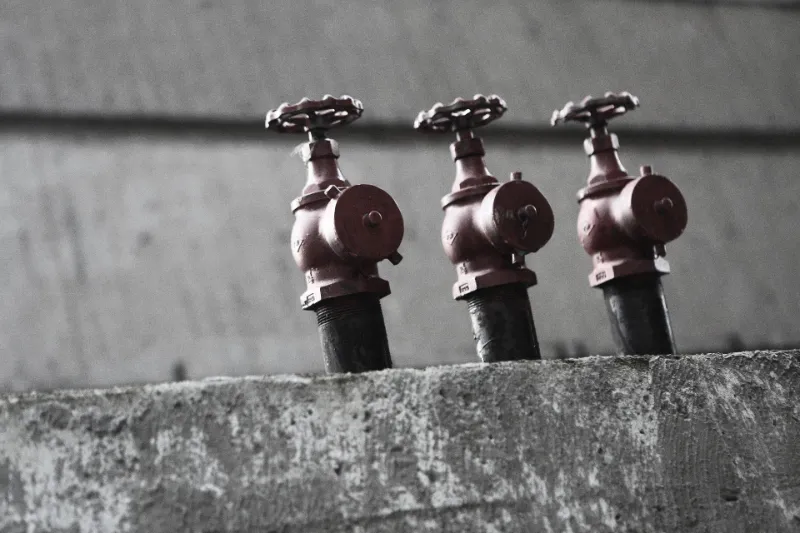
A Pressure Release Valve is a protective control device that opens when water pressure rises above its set limit, allowing excess water to discharge through a planned outlet. In an irrigation or water-supply system, it can help protect pipes, fittings, pumps and filters from pressure that exceeds the limits used in the design. Additionally, it should be considered alongside the system’s full pressure-control plan. It is not a substitute for correct pump selection, pipe ratings, pressure control or professional system design.
How a Pressure Release Valve Works
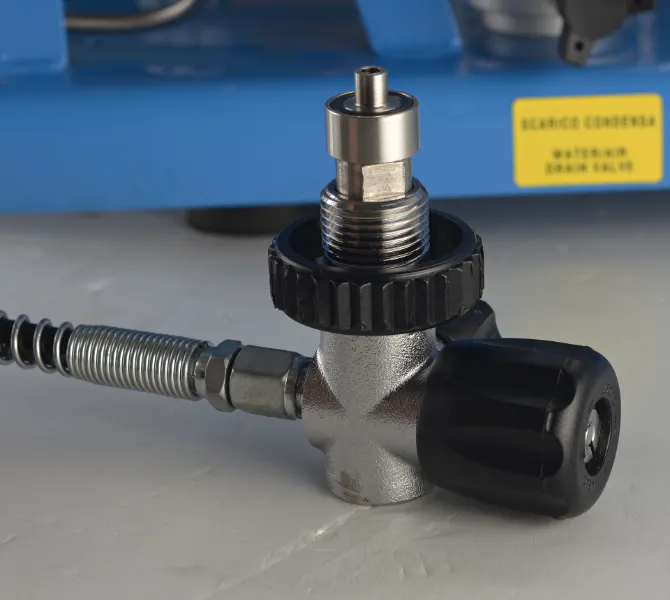
Under normal conditions, a Pressure Release Valve remains closed. When pressure reaches the specified set point, the internal mechanism opens and directs water to its discharge path. Meanwhile, the discharge route must remain capable of carrying the released water safely. As the pressure falls, the valve closes again according to its design. Many conventional relief valves use a spring-loaded mechanism, while larger systems may use pilot-operated controls.
First, the system should have a documented operating pressure and maximum allowable pressure for every protected component. Next, a qualified designer selects a valve with the correct set pressure and relieving capacity for the possible over-pressure condition. Finally, the discharge route must take released water to a safe location without blocking the outlet or creating a hazard.
Why a Pressure Release Valve Matters in Irrigation
Pressure can change with pump operation, elevation, changing demand, a blocked outlet or a system fault. Therefore, an irrigation design should consider both normal working pressure and abnormal conditions. If pressure rises beyond the rating of a pipe, fitting or irrigation device, leaks, joint failure or equipment damage may follow.
A Pressure Release Valve provides one layer of protection where it is correctly sized and installed. In practice, system controls should prevent routine operation at the relief setting. However, it cannot repair poor pipework, a failed control system or an unsuitable pump. Treat repeated discharge as a signal to inspect the cause rather than simply tightening an adjustment or blocking the outlet.
Types of Pressure Release Valve
| Type | Typical role | Selection caution |
|---|---|---|
| Spring-loaded relief valve | Opens when system pressure overcomes a set spring force. | Match its set pressure, materials and capacity to the protected system. |
| Adjustable relief valve | Allows adjustment within the manufacturer’s stated range. | Do not adjust without the manufacturer’s procedure and verified pressure data. |
| Automatic relief valve | Opens and closes in response to pressure changes without manual action. | Confirm how the valve resets and where discharge will go. |
| Pilot-operated relief valve | Uses a small control valve to operate a larger main valve. | Often needs specialist sizing and commissioning for larger flow duties. |
Names and designs vary between manufacturers. Specifically, compare the stated application, set-pressure range and flow capacity before choosing a model. In addition, a valve described as an air-release valve, pressure-reducing valve, check valve or drain valve does not automatically perform the same safety function as a water Pressure Release Valve. Read the manufacturer’s data sheet rather than choosing by name alone.
Pressure Release Valve vs Pressure Reducing Valve
These two devices manage pressure differently. A pressure reducing valve controls downstream pressure during normal operation by reducing a higher incoming pressure to a selected lower pressure. A Pressure Release Valve opens to discharge water when pressure rises past its set point. Some systems need both devices because normal regulation and over-pressure protection are different jobs.
For example, a drip system may need pressure regulation so emitters work within their intended range. Moreover, its protection needs depend on the whole hydraulic design. It may also need separate protection against an abnormal pressure event, depending on the full hydraulic design. Do not install one device on the assumption that it performs the other device’s role.
Where to Install a Pressure Release Valve
The right position depends on which equipment or pipe section needs protection. A designer may place a relief arrangement near a pump discharge, on a main line or at another vulnerable point. Crucially, it must be able to relieve the part of the system at risk. A valve located downstream of a closed isolation valve may not protect the isolated section.
The discharge outlet needs a safe, planned route. The Washington State Department of Health guidance advises that relief-valve discharge should run full size to a safe location and remain free of obstructions, caps and plugs. Similarly, allow the route to drain rather than directing released water towards equipment, foundations, walkways or electrical areas.
How to Choose a Pressure Release Valve
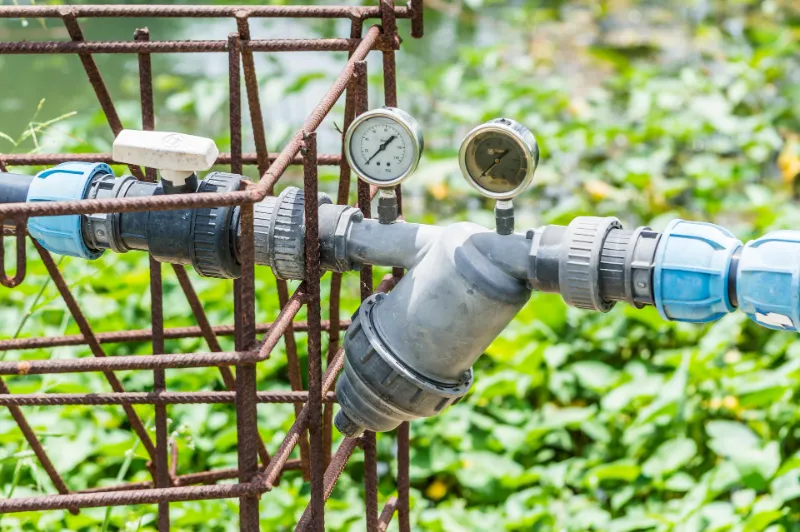
Selection should be based on measured and designed system information, not only pipe diameter. Before ordering, record the normal operating pressure, maximum expected pressure, water source, pump characteristics, pipe material, connection type and the safe discharge location. Then compare this information with the manufacturer’s stated set-pressure range, flow capacity, temperature rating and material compatibility.
- Identify the pipe, tank, pump or downstream equipment that needs protection.
- Confirm the allowable pressure rating of every component in that protected section.
- Determine the over-pressure scenario and the relief flow the valve must handle.
- Choose a connection size and material that match the approved design.
- Plan the discharge outlet before installation, including drainage and restraint where needed.
- Have a competent installer commission and test the arrangement under the manufacturer’s instructions.
Consequently, a low-cost valve with an unknown setting or capacity is not a safe substitute for a correctly specified device. For larger pumping, storage or distribution systems, ask a qualified irrigation or hydraulic professional to review the design.
Related Shop Products for a Pressure Release Valve System
| System need | Verified shop item | Appropriate article treatment |
|---|---|---|
| Exact pressure-release function | Pressure Release Valve | Confirm the set pressure, relieving capacity and connection details before selection. |
| Air management at high points | Air Release Valve for sale in Kenya | Linked only for air management; it is not presented as pressure relief. |
| System filtration | Irrigation Water Filters | Linked as a complementary filtration product, not as a pressure-control device. |
| Pump water source | Solar Pumps for Sale in Kenya | Linked as a potential water source; pump curve and controls still require design review. |
| Pipe connection work | Irrigation pipes for sale in Kenya | Linked as a possible line component after rating and connection checks. |
An Air Release Valve must not be selected as a substitute for a Pressure Release Valve. Air valves manage trapped air or vacuum conditions; pressure-relief protection requires a device explicitly specified for that purpose.
Pressure Release Valve Maintenance Checks
Inspect the body, connections and discharge path regularly for leaks, corrosion, physical damage or blockage. Also compare observed system pressure with the design information. Finally, record unusual discharge events and the operating conditions at the time. If a valve releases water unexpectedly, find the underlying cause before returning the system to service.
Do not cap, plug or obstruct the discharge outlet. Do not change an adjustment setting beyond the manufacturer’s instructions. Meanwhile, replace worn seals or damaged components only with parts approved for that valve model, and follow the manufacturer’s service interval.
Frequently Asked Questions About Pressure Release Valve
What is a Pressure Release Valve used for?
It is used to release water when pressure rises beyond its set limit, helping protect a specified part of a water system when it is correctly selected and installed.
Is a pressure release valve the same as a pressure reducing valve?
No. A reducing valve controls normal downstream pressure, while a relief valve discharges water after pressure exceeds its set point.
Can an air-release valve replace a pressure relief valve?
No. Air-release equipment handles air in a pipeline. Use a device specifically designed and rated for pressure-relief duty.
Where should the discharge water go?
It should go to a safe, planned drainage location that does not endanger people, equipment, structures or the protected system.
Can I set the valve by guesswork?
No. Base the setting on the system design, component pressure ratings and the manufacturer’s instructions. Ask a qualified professional when the design is uncertain.
Why is my relief valve discharging?
It may indicate excess pressure, a control problem, a blockage or a faulty valve. Investigate the cause; never block the outlet to stop the discharge.
A Pressure Release Valve works best as part of a correctly designed water system. Collect the pump details, pipe ratings, pressure readings and discharge-route information before seeking a specification. Then confirm the selected valve’s data sheet and installation requirements with a qualified supplier or system designer.