

Description
Pruning Shears are hand-held cutting tools for trimming suitable stems, flowers and small branches. Their blade design, handle fit and stated cutting capacity should match the plant and task. Select a tool for clean, controlled cuts rather than forcing one pair through every material.
First, identify whether the stem is fresh, dry, woody or beyond the tool’s specified capacity. Then check the maker’s instructions, the condition of the blades and the working area. A suitable pair can help with routine nursery, greenhouse, garden and orchard maintenance, but it is not a replacement for a lopper or pruning saw.
Pruning Shears: 5 types and their uses
Names describe a cutting action, handle arrangement or access requirement. Manufacturers can use the same terms differently, so compare the actual tool before buying. The five types below cover common hand-pruning decisions.
1. Bypass pruning shears
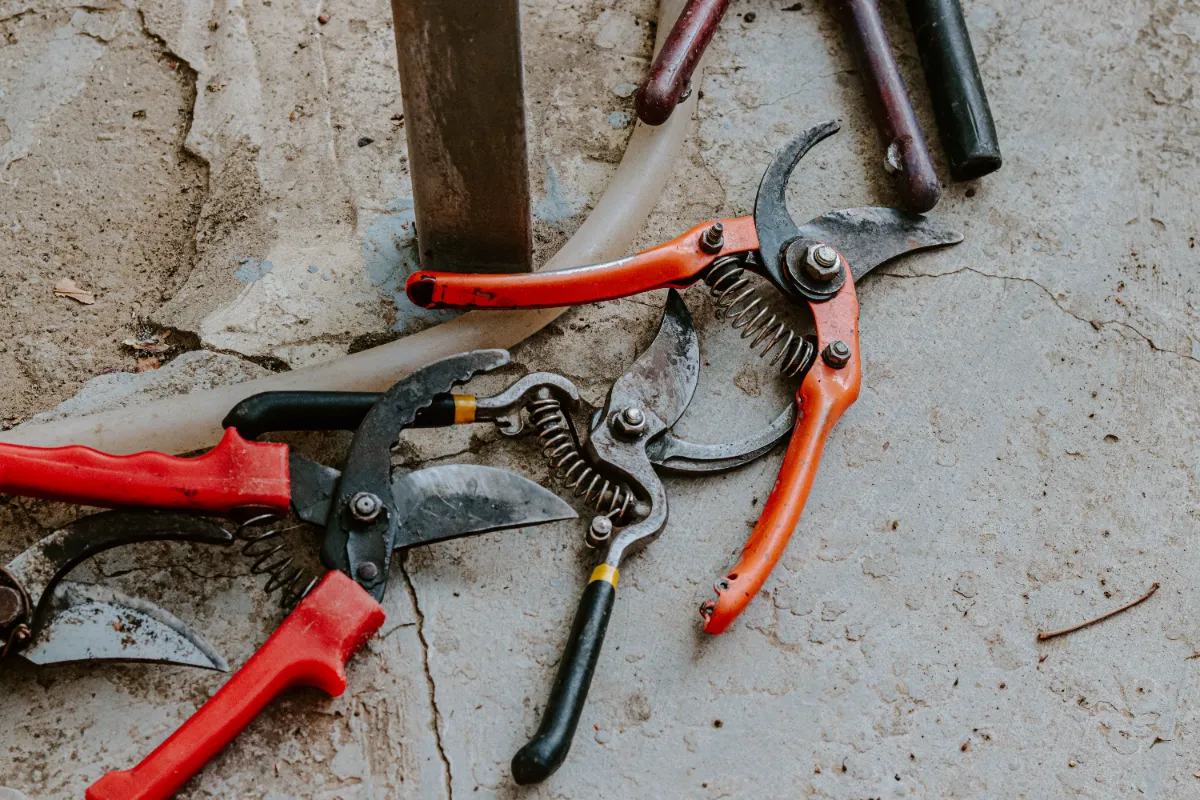
Bypass shears have a sharp blade that passes a counterblade, much like scissors. They are commonly considered for fresh green stems, flowers, young growth and routine fruit-tree or shrub work. The University of Minnesota Extension explains that bypass blades generally make a cleaner cut than anvil designs.
Keep the cutting edge sharp and use the correct blade orientation. Do not twist the handles through a stem or use the tool on material outside its stated capacity, because that can damage the edge, pivot or plant tissue.
2. Anvil pruning shears
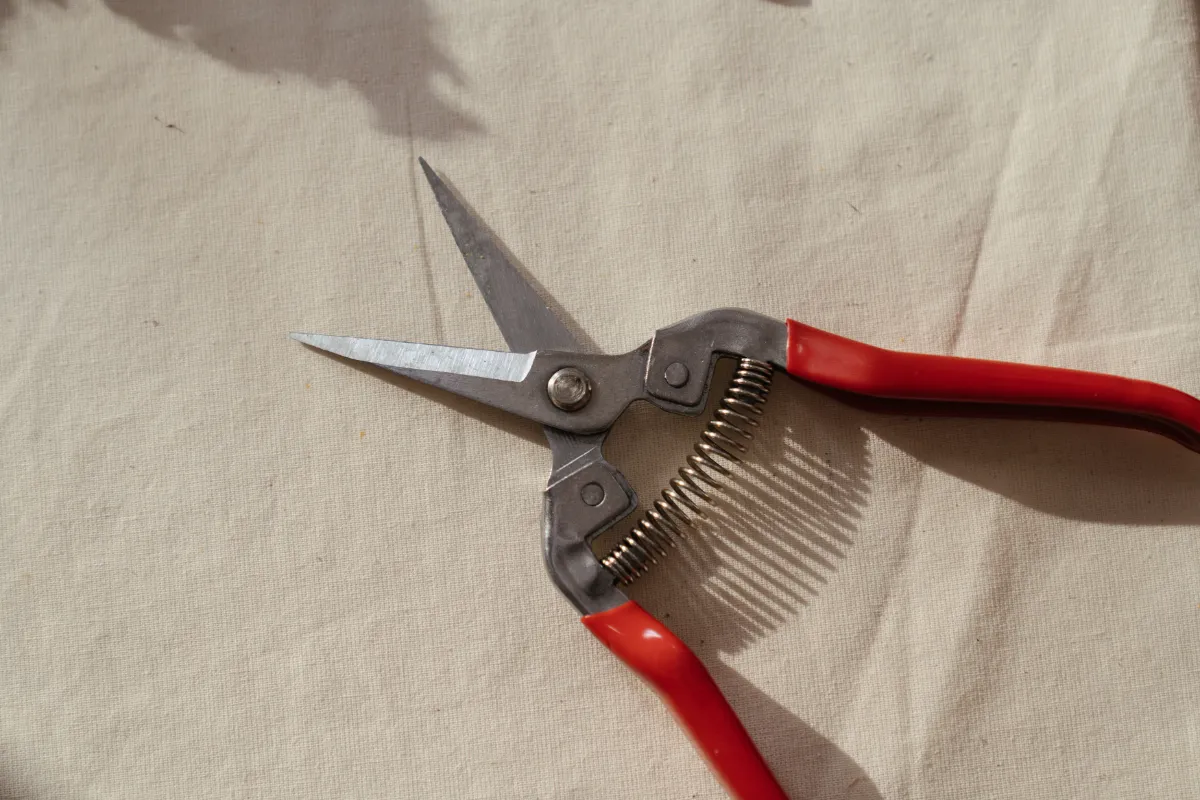
Anvil shears close one cutting blade onto a flat supporting surface. This design is often considered for dry or dead stems and other woody material. However, the compression action can pinch soft live growth more than a bypass cut. Therefore, decide from the condition of the plant material, not only from the branch diameter. In addition, inspect the anvil surface for wear before using it.
3. Ratchet pruning shears
Ratchet shears divide a cut into several squeezing movements. They may make a suitable cut feel more manageable when the stem is within the tool’s stated capacity but the operator needs a gradual action. However, they do not make an undersized or damaged tool safe for a branch it was not designed to cut.
4. Ergonomic pruning shears
Ergonomic models can have shaped grips, adjustable opening widths or rotating-handle designs. These features may improve fit during repeated work, but comfort remains individual. Therefore, open and close the shears several times with ordinary work gloves before deciding that a grip is suitable.
5. Long-reach pruning shears
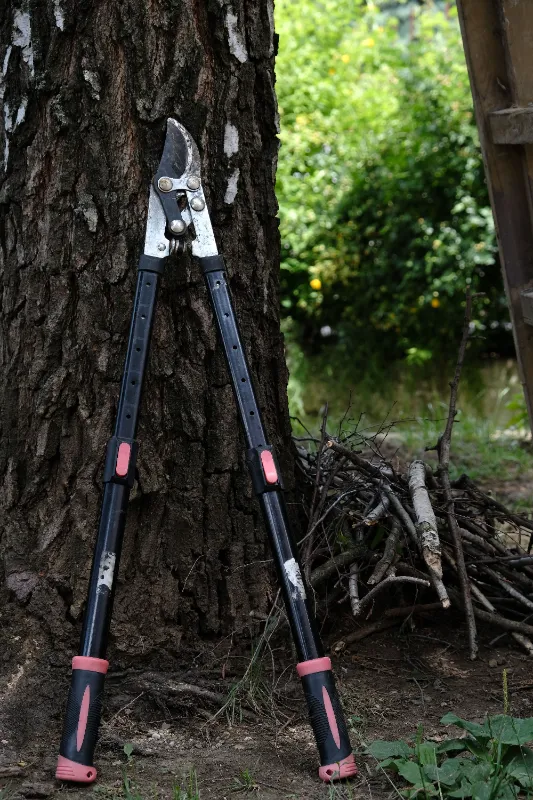 Long-reach shears extend access to stems inside a shrub or above ordinary hand reach. More reach can reduce control, so keep the cutting head visible and avoid working above a safe position. For higher or larger branches, therefore, assess whether a specialised pole pruner or professional help is more appropriate.
Compare Pruning Shears before buying
| Type | Task to consider | Detail to verify |
|---|---|---|
| Bypass | Fresh green stems and routine shaping | Blade alignment, sharpness and stated capacity |
| Anvil | Dry or dead woody growth | Anvil condition, blade edge and intended use |
| Ratchet | Step-by-step cuts within capacity | Mechanism movement, lock and reset action |
| Ergonomic | Repeated hand-pruning work | Grip size, opening width and control |
| Long-reach | Hard-to-reach stems within safe reach | Reach, head visibility and stable working position |
Use the table to choose a category, then inspect the actual product. Two bypass tools can have different blade material, handle spacing, replacement-part support and capacity. Similarly, a long-reach tool is not automatically appropriate for a high, heavy or crowded branch.
Pruning Shears capacity and branch size
Cutting capacity is the maximum stem or branch thickness the manufacturer says a tool can cut. It is not a general industry size, and it can vary with blade condition, material and the type of wood. Check the stated capacity on the exact model instead of treating a general millimetre figure as a promise.
Do not force shears through a branch that resists. For larger work, choose a tool intended for it. Tool choice also depends on the plant, the intended result and the maker’s instructions for the exact model.
How Pruning Shears differ from other pruning tools
Pruning shears suit controlled hand cuts on material within their capacity. Loppers use longer handles for leverage. A pruning saw is intended for larger branches.
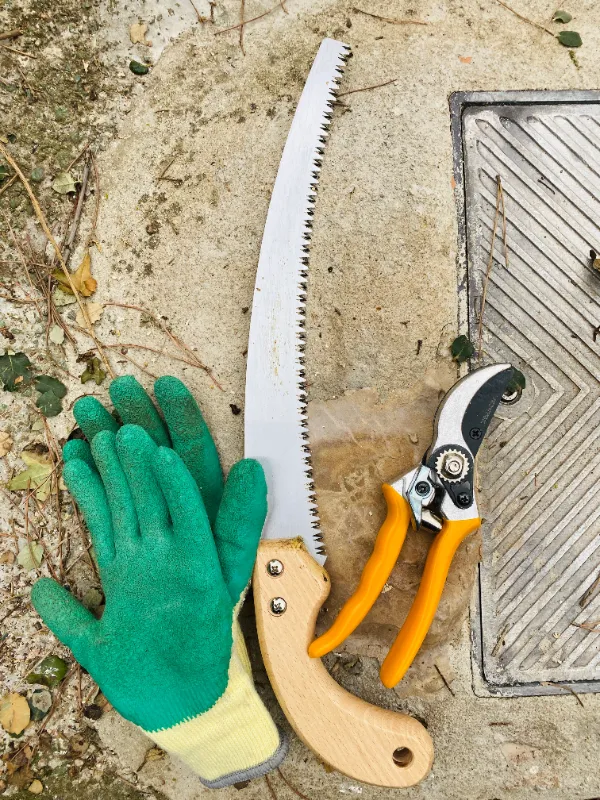
Hedge shears are designed for shearing hedges and small succulent stems, while a pole saw or pole pruner provides reach with its own handling limits.
The right tool reduces the temptation to overload a pair of shears. For example, switch to a suitable saw rather than bending a pruner’s blades around a large branch. Keep cutting tools sharp and maintained; blunt edges can crush rather than cut cleanly.
Current public catalogue searches found no live Eunidrip product listing for pruning shears, loppers, pruning saws, hedge shears or pole pruners. These remain plain educational mentions, rather than links to invented products.
Main uses of Pruning Shears
Use a suitable hand pruner for the task, plant and stage of growth. The aim is controlled maintenance, not indiscriminate removal. In practice, timing and pruning method depend on the plant, local conditions and the grower’s production plan.
- Flower maintenance. Remove spent flowers or cut suitable stems with a clean, sharp tool.
- Nursery work. Trim selected shoots and light growth while avoiding damage to young plants.
- Greenhouse crop care. Remove unwanted shoots or leaves only according to the crop-management plan.
- Fruit-tree maintenance. Cut small branches within the tool’s stated capacity and the plant’s recommended pruning method.
- Removing damaged growth. Separate visibly damaged material from healthy plant tissue when the diagnosis and method are clear.
- Harvesting suitable stems. Cut flowers, herbs or other stems without crushing the material.
The Royal Horticultural Society’s tree-pruning guidance recommends sharp tools and distinguishes cuts on thin branches from work that needs a saw. It also advises cleaning tools with disinfectant between cuts when removing diseased wood.
Pruning Shears in nurseries and greenhouses
In a nursery or greenhouse, use a suitable hand pruner deliberately around plants, trays, irrigation lines and supports. First, start with a clean tool, make only the cuts required by the crop plan, then remove plant debris from the work area. Do not treat routine trimming as a substitute for diagnosing a pest, nutrient, irrigation or disease issue.
Also, separate clean work from suspected disease work. The RHS garden-hygiene guidance advises cleaning tools, pots and pruning tools, especially in vulnerable spaces such as greenhouses and potting areas. Follow the crop’s own protocol and the disinfectant label where sanitation is necessary.
How to choose Pruning Shears
Start with the crop, material to be cut and frequency of work. Then compare the blade action, stated capacity, handle fit, lock and maintenance instructions. However, a higher price or larger handle alone does not show that a tool matches the task.
- Choose the cutting action. Compare bypass and anvil designs against the condition of the material.
- Confirm capacity. Use the exact manufacturer’s maximum, not a general category.
- Check blade alignment. Open and close the tool; blades should move without rubbing unexpectedly or leaving a gap.
- Assess handle fit. Confirm the grip, opening width and lock can be operated securely.
- Consider handedness. Left-handed or smaller-hand designs can affect comfort and visibility.
- Check serviceability. Find out whether blades, springs or other parts can be safely maintained or replaced.
Next, review the manufacturer’s instructions and warranty terms. If the work needs excessive hand force, unclear footing or cutting above safe reach, stop and use a method designed for that situation.
Using Pruning Shears safely
Inspect the blades, pivot, spring and safety lock before use. Then wear work clothing and hand protection appropriate to the job, keep both hands clear of the cutting path and cut only when the stem is supported and visible. Never point the blades toward another person.
Keep stable footing and avoid reaching from a ladder or unstable surface with hand shears. Do not use a damaged tool, modify the lock or carry it with the blades open. Close the safety lock before moving or storing the shears.
When dealing with a branch that could fall, is near electricity, or needs a saw or powered equipment, use suitably trained help. The article provides tool-selection guidance, not a tree-work safety assessment.
Cleaning and maintaining Pruning Shears
First, remove sap and plant debris after use. Clean and dry the blades, then follow the manufacturer’s instructions for sharpening and lubricating the pivot, spring or locking parts. The RHS tool-sharpening guide notes that a blunt pair of secateurs can fold and crush material instead of cutting it.
Next, inspect blade alignment, screws, spring tension and the lock. Tighten only parts intended for adjustment. Finally, stop using the tool if the blade is cracked, the handles are loose or the lock does not work as designed.
Finally, store the shears dry, clean and locked. Sanitize when the crop protocol calls for it, particularly after work with suspected diseased plant material. Use only a disinfectant suitable for the tool and task, following its label directions.
Pruning Shears: frequently asked questions
What are hand pruners used for?
They are used for controlled cuts on suitable stems, flowers and small branches. The exact use depends on the blade type, manufacturer capacity and plant-management plan.
Are bypass shears better than anvil shears?
Neither design is best for every task. Bypass designs are often considered for fresh growth, while anvil designs can suit dry or dead material. Check the plant material and tool instructions.
Can hand pruners cut large branches?
Only cut within the exact tool’s stated capacity. For larger branches, use a suitable lopper or pruning saw rather than forcing hand shears.
How often should pruning shears be cleaned?
Remove debris after each use. Clean and sanitize between plants or areas when the crop protocol or disease risk requires it.
Can I sharpen pruning shears?
Many models can be maintained, but use the manufacturer’s instructions and preserve the existing bevel. Replace or professionally service damaged parts where appropriate.
Are pruning shears suitable for greenhouse crops?
They can be used for crop tasks that call for controlled cutting, provided the blades are clean, the method suits the crop and irrigation or support components are protected.
Ask about Pruning Shears before ordering
Before buying a pair of shears, describe the crop, stem condition, task, expected frequency and maximum cutting thickness to the supplier. Ask about blade action, stated capacity, replacement parts, maintenance and safe storage. Finally, confirm current availability and price before placing an order.
For Eunidrip enquiries, call +254 728 163329. Pruning shears are not currently represented by a matching public product listing, so ask for current availability and specifications rather than treating this article as a stock page.