
Description
Vertical Garden Troughs
Vertical Garden Troughs make it possible to grow herbs, leafy vegetables and flowers where ground space is limited. A trough is an elongated planting container that can sit on a frame, mount to a suitable wall or stack in tiers. For a balcony, patio, school garden, restaurant or compact urban plot in Kenya, the best arrangement starts with safe support, suitable depth, reliable drainage and a watering plan.

What are Vertical Garden Troughs?
Vertical garden troughs are long containers that hold growing media and several plants in a row. They differ from a single pot because their length allows a gardener to create a planted line, while a frame or wall layout uses height instead of a large ground footprint. Typically, the practical limit is the load that the support can safely carry. First, decide whether the trough will be freestanding, tiered or wall-mounted. Then calculate the loaded weight of the container, wet media, plants and retained water before choosing brackets or a stand.
A trough can be used with soil-based media or as part of a purpose-designed soilless system. In practice, use the container only within its stated purpose and load limits. However, a decorative trough is not automatically suitable for hydroponics. Check its material, drainage, load rating and intended use before adapting it. For growing in raised containers, use a light, well-aerated medium rather than heavy compacted soil.
Types of Vertical Garden Troughs for Small Spaces
| Type | Best use | Key check before installation |
|---|---|---|
| Wall-mounted trough | Herbs, flowers and compact leafy crops near a strong wall | Confirm brackets and wall fixings carry the fully watered load. |
| Tiered trough frame | Patios, school plots and small kitchen gardens | Leave room between tiers so upper plants do not shade lower rows. |
| Stackable planter | Balconies and small yards | Check how overflow moves between levels and where it drains. |
| Pocket or tower planter | Herbs, strawberries and ornamentals | Ensure every pocket receives water without soaking the lower levels. |
| Custom trough | Long vegetable rows or greenhouse layouts | Use a level, stable base and plan a drain route before filling. |
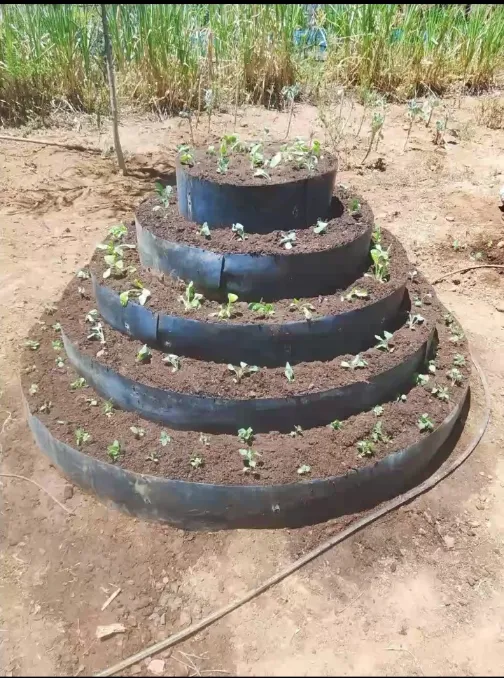
Custom troughs suit a longer planting run, but they need more support than small modular planters. In addition, leave working space for pruning, cleaning and replacing crops. Meanwhile, keep the lower area clear for watering and safe access. A planter that looks compact when empty can become difficult to maintain once foliage fills the space.
Choose the Right Depth for Vertical Garden Troughs
Depth controls the root volume, water reserve and total weight of Vertical Garden Troughs. Shallow troughs are practical for herbs, lettuce and other small-rooted crops. Medium-depth troughs give spinach, coriander and spring onions more room. For tomatoes, capsicum and other larger fruiting plants, select a larger container with adequate root volume instead of forcing them into a narrow decorative trough.
Width and plant spacing matter too. Crowded plants compete for light, water and nutrients, and dense foliage stays wet for longer after irrigation. Specifically, leave enough space for mature leaves to dry after watering. Therefore, follow the spacing guidance for the crop, not just the number of seedlings that physically fit on planting day.
Suitable Crops for Vertical Garden Troughs
Choose crops with similar water, light and nutrient needs for each trough. Leafy vegetables and herbs are usually easier to manage in small containers than large, long-season fruiting crops.
- Spinach: suitable where the medium drains freely and receives regular moisture.
- Lettuce: a compact-rooted crop for many trough layouts.
- Kale (sukuma wiki): grow fewer plants and allow room as leaves mature.
- Coriander (dhania): useful for repeated kitchen-garden harvests in shallow or medium troughs.
- Spring onions: can be planted in rows where the trough depth is sufficient.
- Strawberries and ornamentals: work well when drainage and sunlight match the plant’s needs.
For example, do not combine moisture-loving lettuce with a drought-tolerant ornamental simply because both fit in one row. Matching the growing conditions makes irrigation and feeding much simpler.
Growing Media and Drainage for Vertical Garden Troughs
A good growing medium must hold enough moisture while leaving air around roots. A lightweight mix can include cocopeat for water retention, mature compost for organic matter, perlite for aeration and drainage, and a suitable amount of screened topsoil where appropriate. Consequently, lighter media can reduce the load on an elevated structure. Exact proportions should suit the crop, local materials and the weight limit of the support.
Every trough needs drainage holes. Without them, excess water can remove air from the root zone and increase the risk of root problems. Next, test the drainage route with clean water before adding plants. In a multi-level setup, direct runoff into a collection tray, drain pipe or planted area rather than onto a wall, doorway or walkway.
Irrigation Options for Vertical Garden Troughs
Containers dry faster than open ground, especially in hot or windy weather. Manual watering can work for a few troughs, but a larger tiered garden benefits from a measured irrigation plan. A small water tank can provide stored water for a planned installation, while a suitable filter protects small outlets from debris.
For drip watering, use a purpose-designed distribution layout that gives each plant zone a slow, manageable application. Furthermore, group plants with similar moisture needs on the same run where possible. The shop’s irrigation pipes may suit a supply or return line only when their specifications match the design; confirm material compatibility, pressure and fittings before installation. Do not present an ordinary pipe as a ready-made planting trough.
Alternatively, carefully placed micro sprinklers can wet a defined plant zone. However, overhead watering may wet leaves and nearby surfaces, so check the spray pattern and drainage. The University of Minnesota Extension also notes that container gardens need close attention to water and drainage as conditions change.
Product Fit for Vertical Garden Troughs
| Installation need | Verified shop item | How it may help |
|---|---|---|
| Water storage | Water Tanks in Kenya | Potential water source for an irrigation layout; size it to the garden and refill schedule. |
| Supply line | Irrigation pipes for sale in Kenya | Potential supply or return line after specification checks; not represented as a planting trough. |
| Targeted overhead watering | Micro Sprinkler | May serve a defined plant zone where spray, runoff and foliage wetness are acceptable. |
| Trough, wall bracket or planter frame | – | Choose a load-rated product from a supplier and assess the structure before installation. |
Installation Checklist for Vertical Garden Troughs
- Measure the available wall, balcony or floor area and record sunlight through the day.
- Choose trough depth and crop spacing before buying the structure.
- Calculate the full wet weight, including media, mature plants and retained water.
- Use appropriate fixings or a stable stand; ask a qualified installer for large wall-mounted systems.
- Test drainage and irrigation before planting.
- Start with a small number of crops, then expand after the watering routine is reliable.
Finally, inspect the structure after the first heavy watering and after strong wind. Tighten fittings where appropriate, clear blocked outlets and make sure runoff has not reached an unsafe surface.
Maintain Vertical Garden Troughs Through Each Season
Remove dry leaves, check drainage holes and inspect brackets or frames regularly. Similarly, inspect each planting level rather than only the most visible row. Clean troughs between planting cycles, then renew depleted media as needed. Also look for leaks, blocked emitters and uneven water distribution on every level. Solving a small issue at the upper trough early can prevent a much larger problem below it.
Monitor for pests and disease, but avoid applying a treatment until the crop and problem are correctly identified. Good spacing, clean tools and balanced watering reduce avoidable stress in container-grown plants.
Frequently Asked Questions About Vertical Garden Troughs
How deep should Vertical Garden Troughs be?
Choose depth according to the crop. Herbs and lettuce generally need less root room than tomatoes or capsicum, which should go into larger containers with adequate root volume.
Can I install troughs on any wall?
No. The wall, fixings and brackets must carry the complete wet load. Seek a qualified assessment for large or uncertain installations.
How often should I water a vertical trough?
Check moisture frequently and water according to the crop, weather, media and drainage. Containers can dry quickly, but constant saturation is harmful.
Can drip irrigation work with a vertical garden?
Yes, when the system is designed for the number of levels, water source, pressure and drainage route. Test it before planting.
Which crops are easiest for a first trough garden?
Leafy vegetables and herbs, such as spinach, lettuce and coriander, are practical starting choices when their light and moisture needs are met.
Do vertical troughs need a drainage tray?
A tray or drain route is often useful where runoff could stain walls, wet a walkway or affect the lower planting level.
Vertical Garden Troughs can turn a compact space into a manageable food or ornamental garden. Start with a sound structure, choose crops that suit the root space and keep drainage under control. Finally, record the trough count, crop plan, water source and installation dimensions before asking for a watering-layout quote.