

Description
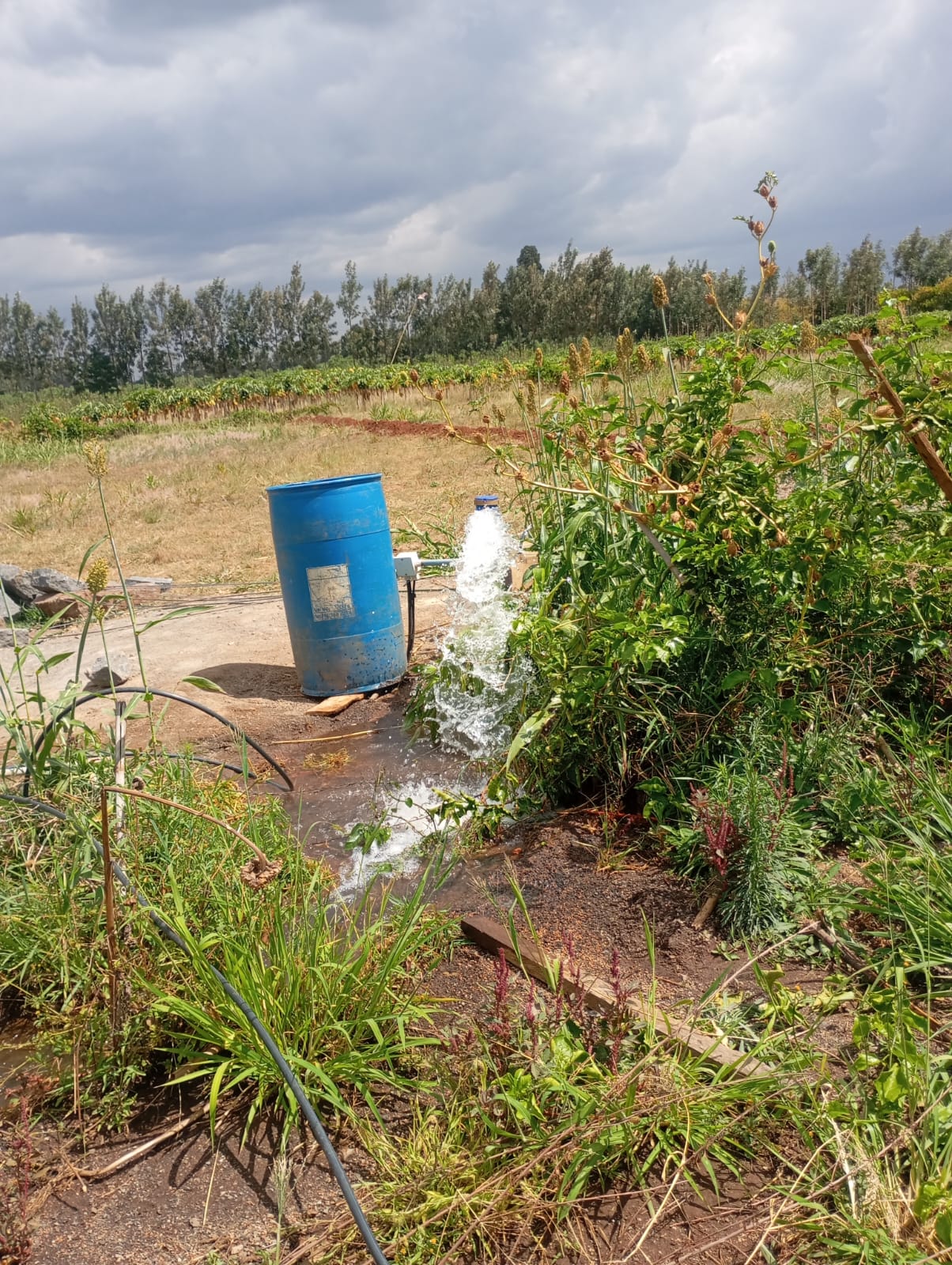
Water Tanks in Kenya store water for domestic use, farm operations, irrigation, businesses and other site-specific needs. A suitable tank begins with a realistic demand calculation, safe placement and a foundation designed for the filled load. Capacity, material and fittings should follow the intended use rather than a generic recommendation.
Before selecting a tank, establish the water source, daily use, refill pattern, installation position and whether the stored water will serve irrigation, general use or drinking after suitable treatment. A tank provides storage; it does not by itself make water safe to drink.
Water Tanks in Kenya: 5 buying checks
Start with the system rather than the tank alone. The storage volume, foundation, inlet, outlet, overflow and maintenance access work together. These five checks help frame a supplier conversation without replacing an engineering design or water-quality assessment.
- Daily demand. Estimate domestic, livestock, irrigation or business use over the period between refills.
- Refill reliability. Check how often the source can replenish the tank and whether supply interruptions occur.
- Installation location. Confirm space, access, ground conditions, roof catchment or plumbing route before delivery.
- Foundation and support. Plan for the full water load, tank weight and a level, stable base.
- Use and water quality. Separate irrigation or utility storage from drinking-water requirements and treatment needs.
For rainwater harvesting, plan collection, storage and end use together. The World Health Organization’s household water-treatment and safe-storage resource provides public-health context for safely storing water. Therefore, confirm the applicable Kenyan requirements and treatment steps for the intended use.
Water Tanks in Kenya by material
Material affects weight, installation method, durability, light exposure and maintenance. Therefore, a category is not a quality guarantee: compare the exact manufacturer’s specifications, approved uses and care instructions before purchase.
Polyethylene or plastic tanks
Rotationally moulded plastic tanks are common for ground-level domestic and farm storage. First, check the stated intended use, UV protection, lid, fittings and base requirements. Do not assume every plastic tank is suitable for every water quality or installation location.
Steel tanks
Steel, bolted, galvanised or stainless designs can suit some larger or specialised systems. Their foundation, corrosion protection, liner or coating and installation requirements depend on the model. Therefore, obtain the manufacturer’s structural and water-contact specifications for the exact tank.
Concrete or masonry reservoirs
Concrete structures can be designed for underground or larger fixed storage, but require site-specific design, appropriate sealing and professional construction. Consequently, they are not interchangeable with a prefabricated tank, and should not be selected without considering the soil, groundwater, loading and water-use requirements.
Flexible bladder or pillow tanks
Flexible tanks can be considered for particular portable, temporary or constrained-space uses. Their placement must protect the liner from sharp objects, abrasion and unsuitable surfaces. Follow the supplier’s instructions for fill limits, support and connections.
Water Tanks in Kenya by placement
| Placement | Use to consider | Critical check |
|---|---|---|
| Ground-level | Domestic, farm or rainwater storage | Level full-support base, access and drainage around the tank |
| Elevated | Gravity-fed distribution | Professionally designed support for the filled load and connections |
| Underground | Saving surface space or a site-specific design | Excavation, groundwater, structural design and access for maintenance |
Each placement changes the risks and cost. For example, ground-level tanks can be easier to inspect, while elevated tanks require a support system designed for the complete filled weight. Likewise, underground systems need their own engineering, installation and access plan.
Water Tanks in Kenya capacity planning
Capacity should be calculated from actual demand and the time between reliable refills. For irrigation, include the planted area, crop water requirement, emitter or sprinkler flow, irrigation duration, operating schedule and source flow. Similarly, for homes, include the number of users, fixtures, storage purpose and supply interruptions.
Ranges such as 500 to 1,000 litres for limited extra storage, 2,000 to 5,000 litres for some households, or larger volumes for farms are only starting points. They are not a substitute for a water-balance calculation. A small farm, greenhouse or livestock operation can require more or less storage depending on its system.
Water Tanks in Kenya: filled weight and foundation
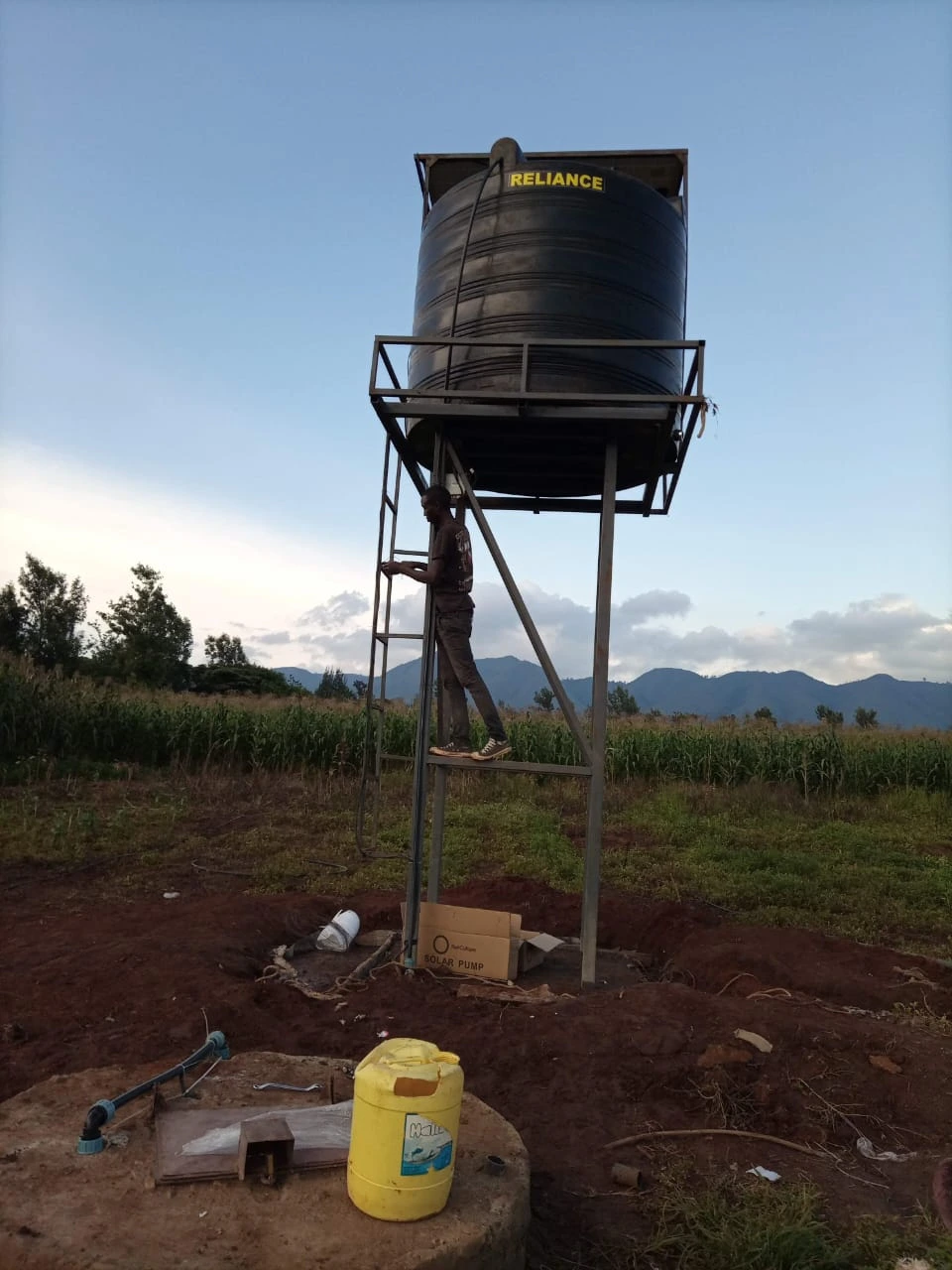
Water is heavy: one litre has a mass of approximately one kilogram, so 1,000 litres of water is about one tonne before adding the tank, fittings or support structure. Consequently, the foundation and any elevated support must be designed for the complete load, not only the empty tank.
Prepare a firm, level base that supports the whole tank bottom as specified by the manufacturer. Remove sharp objects and avoid uneven ground that can concentrate load. For elevated, rooftop or underground installation, use qualified structural and installation advice rather than relying on a generic tower or platform design.
Water Tanks in Kenya: layers, light and covers
Some tanks use multiple layers or darker inner surfaces to reduce light entering stored water. Although that can be one design consideration, it does not replace a fitted lid, clean collection system, appropriate filtration or water treatment where needed. Therefore, ask the manufacturer what the layers are intended to do for the exact product.
Keep access openings protected from dust, insects, animals and debris. In addition, the World Health Organization’s drinking-water guidance recommends a secure cover for outdoor household storage and regular inspection, cleaning and disinfection based on water quality and use. However, treatment for drinking water must follow applicable local guidance and a suitable method.
Water Tanks in Kenya for rainwater harvesting
A rainwater system includes more than the tank: catchment surface, gutters, leaf management, first-flush or filtration approach, inlet, overflow, outlet and end use all matter. Before installation, calculate expected collection and demand, then plan where overflow will go without undermining the base or affecting neighbouring property. Finally, check the complete route after a heavy rain event.
Kenya’s water-harvesting policy and regulatory context should be considered alongside the actual collection and storage design. Therefore, do not present roof runoff as drinking water without the necessary quality control and treatment.
Water Tanks in Kenya for farm irrigation
Storage can help a farm manage irrigation timing when source supply is intermittent. However, the tank capacity, pump, pressure, filtration and distribution layout must still be sized together. A large tank cannot compensate for an undersized pump, blocked filter or mismatched irrigation layout.
| Live shop item | Relevant role after storage | What to verify |
|---|---|---|
| Irrigation Water Filters | Filtering irrigation water before suitable downstream equipment | Filter type, mesh or disc specification, flow and connection size |
| Impact Rain Gun Sprinklers | Field irrigation where the specified pressure and flow are available | Selected model, pressure, flow, layout and water source capability |
| Water harvesting guide | Internal reading on collection and storage planning | Adapt the plan to the local site, catchment and water purpose |
The product rows do not make a tank-stock, price or system-performance claim. Filters and sprinkler equipment are not substitutes for a water tank, and their suitability depends on a complete irrigation design.
Installing Water Tanks in Kenya
Confirm the tank’s approved base, delivery route and connection positions before purchase. Then install compatible inlet, outlet, washout and overflow fittings according to the tank and plumbing instructions. Direct overflow to a managed drainage point; do not allow it to erode the base or create a hazard.
Check connections for leaks after filling gradually. Next, keep the lid fitted, protect access points and leave safe clearance for inspection and maintenance. If the system includes a pump, electrical work, elevated support or drinking-water treatment, use appropriately qualified professionals.

Maintaining Water Tanks in Kenya
Inspect the lid, screen, inlet, overflow, outlet, base and visible connections regularly. Next, remove debris from catchments and gutters where applicable, and check for sediment, damage, leaks or changes in water condition. Keep the area around the tank accessible and drained.
When cleaning or disinfecting a tank, use a method appropriate to the tank material, water use and applicable safety guidance. The WHO technical note on cleaning and disinfecting storage tanks stresses safe disposal of wash water and cleaning connected hoses, pumps and pipes. Do not enter a confined tank or mix chemicals without an appropriate safety procedure.
Water Tanks in Kenya: mistakes to avoid
Do not choose capacity from a single household or farm example without calculating actual demand and refill time. Likewise, do not install a tank on an uneven or inadequately designed base, and do not overload an elevated structure. Also, do not treat a closed tank as proof that stored water is safe for drinking.
Avoid leaving lids, overflows or connections unmanaged. Instead, plan access for cleaning, compatible fittings, controlled overflow and inspection from the start. Address leaks, cracks, damaged supports and water-quality concerns promptly through an appropriate professional or supplier.
Water Tanks in Kenya: frequently asked questions
What size water tank do I need?
Calculate the storage need from daily demand, source reliability and time between refills. For irrigation, include the crop, area, flow, run time and schedule; generic litre ranges are only starting points.
Can water tanks store drinking water?
A tank can store water, but potable use depends on the source, tank suitability, protection from contamination and any required treatment. Follow applicable Kenyan and public-health guidance.
Do water tanks need a concrete base?
Use the base type and full-support specification required by the tank manufacturer and site design. The surface must be level, stable and able to support the filled load.
Are double-layer tanks better?
Multiple layers can address light exposure or other design goals, but suitability depends on the specific product, installation, lid, cleaning and intended water use.
How often should a water tank be cleaned?
Inspect it routinely and clean it when sediment, contamination risk or water quality indicates a need. Drinking-water systems need a documented cleaning and treatment approach appropriate to their source and use.
Can a water tank supply drip or sprinkler irrigation?
Yes, when the complete system is designed for the required storage, flow, pressure, filtration and distribution. Confirm the chosen equipment against the actual irrigation design.
Ask about Water Tanks in Kenya before ordering
Before buying Water Tanks in Kenya, describe the water source, daily demand, refill interval, intended use, installation location, foundation plan and fittings required. Ask for the exact model’s dimensions, material, approved base, connection positions and care instructions. Finally, confirm current availability and price before placing an order.
For Eunidrip enquiries, call +254 728 163329. A water tank is not currently represented by a matching public shop product listing, so ask for current availability and specifications rather than treating this article as a stock page.