
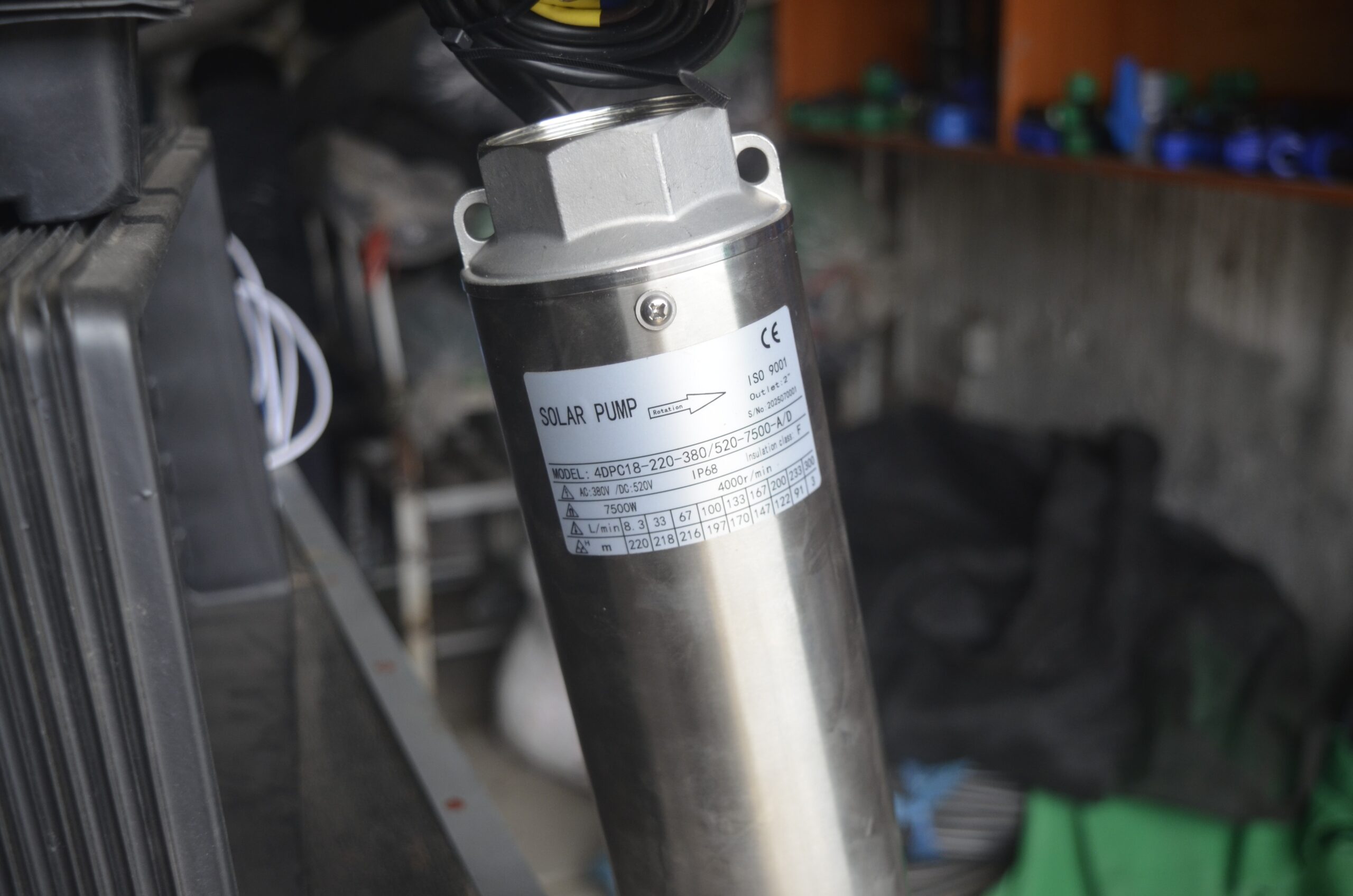
Description
Solar pumps for sale in Kenya are supplied here as a matched set: pump, panels, controller and mounting. The set is sized to a daily water volume and a total head. The price is quoted after those two figures are known. A pump lifting water 80 metres and one lifting 20 metres are different machines.
This page covers what a set contains and how to size it. Also, it covers which pump type suits a borehole or a dam and what the quote includes. The system-level design sits on the solar irrigation systems page.
Solar Pumps for Sale in Kenya
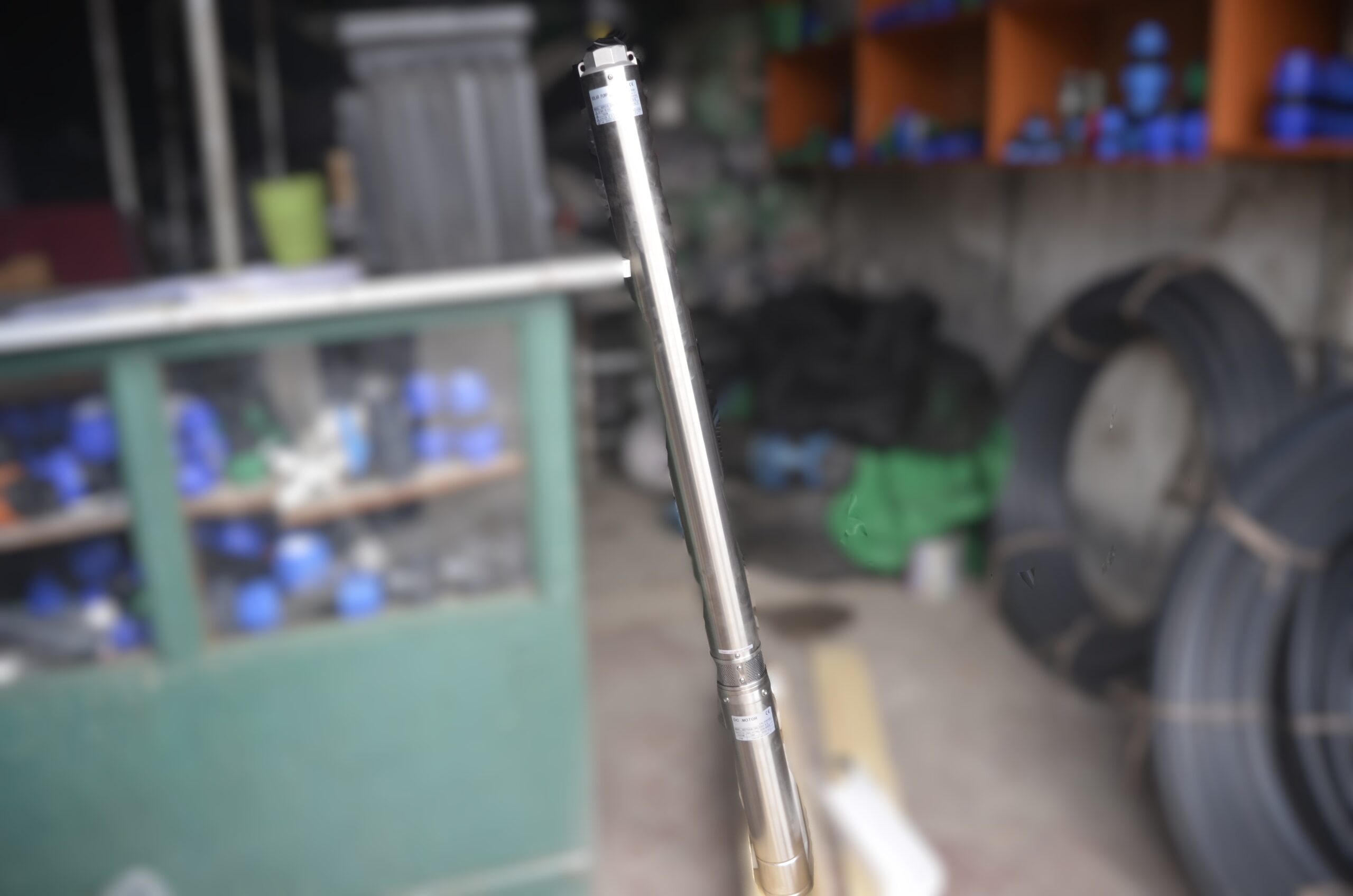
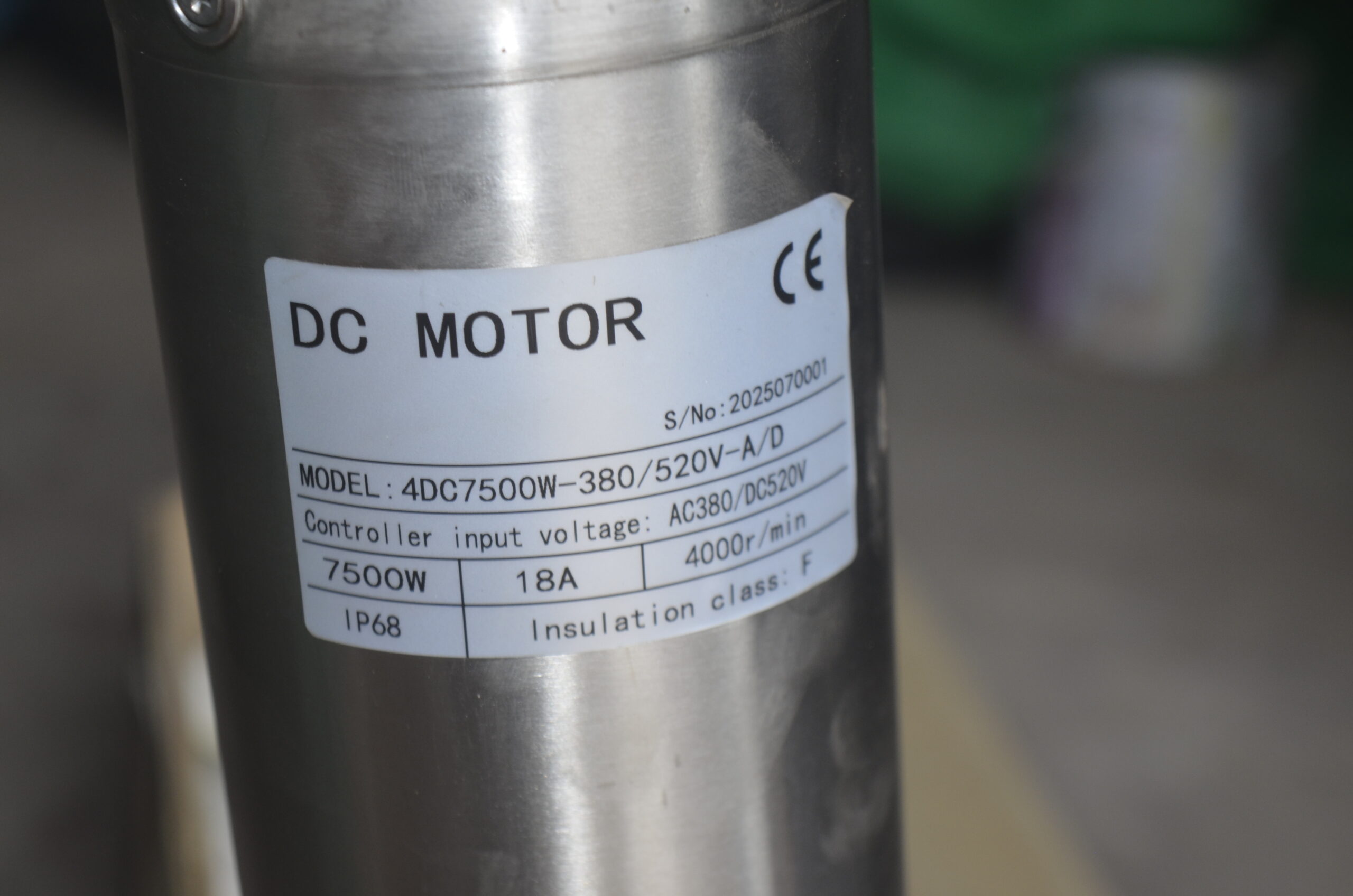
Solar pumps for sale in Kenya are sold as a set for one reason. A bare pump without its controller and array will not run. The pump is a DC motor and the controller tracks the panel voltage. Also, the array sets how much power is available in a day.
A set arrives in four parts. First, the pump and motor that lift the water. Second, the solar array that supplies the DC power. Next, the controller that matches panel output to the pump. Finally, the mounting that holds the panels at the right angle.
| Part | What it does | Decided by |
|---|---|---|
| Pump and motor | Lifts water from the source | Total head and daily volume |
| Solar array | Supplies power to the pump | Pump rating and sun hours |
| Controller | Matches panel output to the pump | Array size and cable run |
| Mounting | Holds panels at the correct angle | Roof, ground frame or pole |
| Float and dry-run switch | Stops the pump at the tank or the source | Tank position and borehole yield |
Sets leave the yard matched, because a pump bought alone rarely matches the panel voltage of the array on site. A mismatched controller can also stall a pump even in full sun. That looks like a failed pump, but it is a sizing fault.
How to Size a Solar Pump
Sizing solar pumps for sale in Kenya starts with two figures. First, the litres needed per day. Second, the total head the water must climb.
Total head is more than the depth of the borehole. It adds four things to that depth. They are the static lift, the drawdown while pumping, the pipe friction and the delivery height.
| Head component | What it means | What changes it |
|---|---|---|
| Static lift | Depth from water level to the pump outlet | Water table depth |
| Drawdown | Level drop while pumping | Borehole yield |
| Friction | Pressure lost along the pipe | Pipe diameter and run length |
| Delivery height | Rise from the pump to the tank outlet | Tank position |
One bar equals about 10 metres of head, and pump curves are read in that unit. Therefore, a pump is chosen at the point where its flow at the calculated head meets the daily volume.
Sun hours matter as much as the pump rating. A pump that moves 10 cubic metres an hour at peak moves far less over a six-hour day. Output falls off at the start and end of the day. For example, a farm needing 40 cubic metres a day should look near 8 to 10 cubic metres an hour. A pump rated 40 is quoted at peak flow, not at daily volume.
Submersible or Surface Solar Pump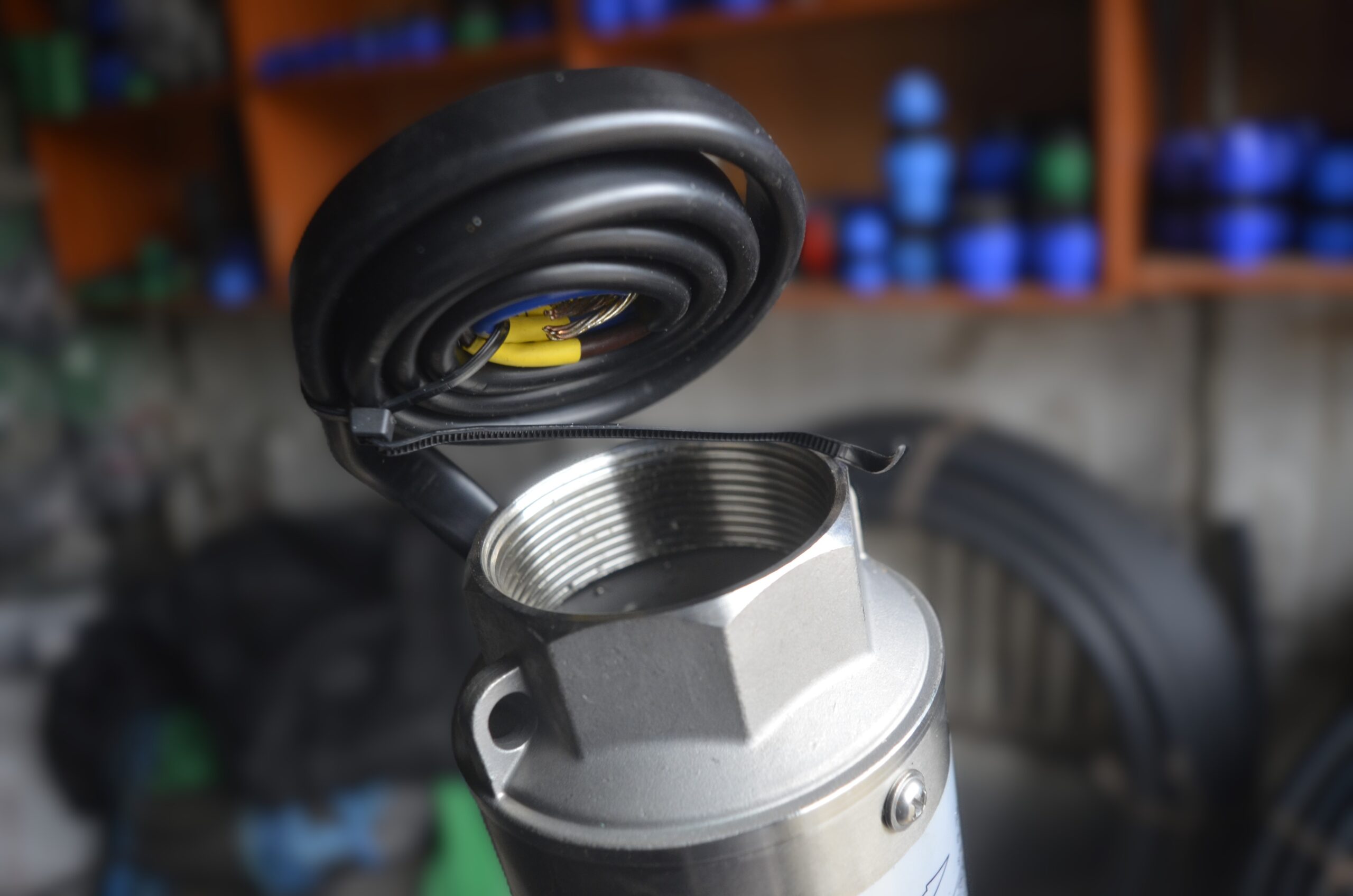
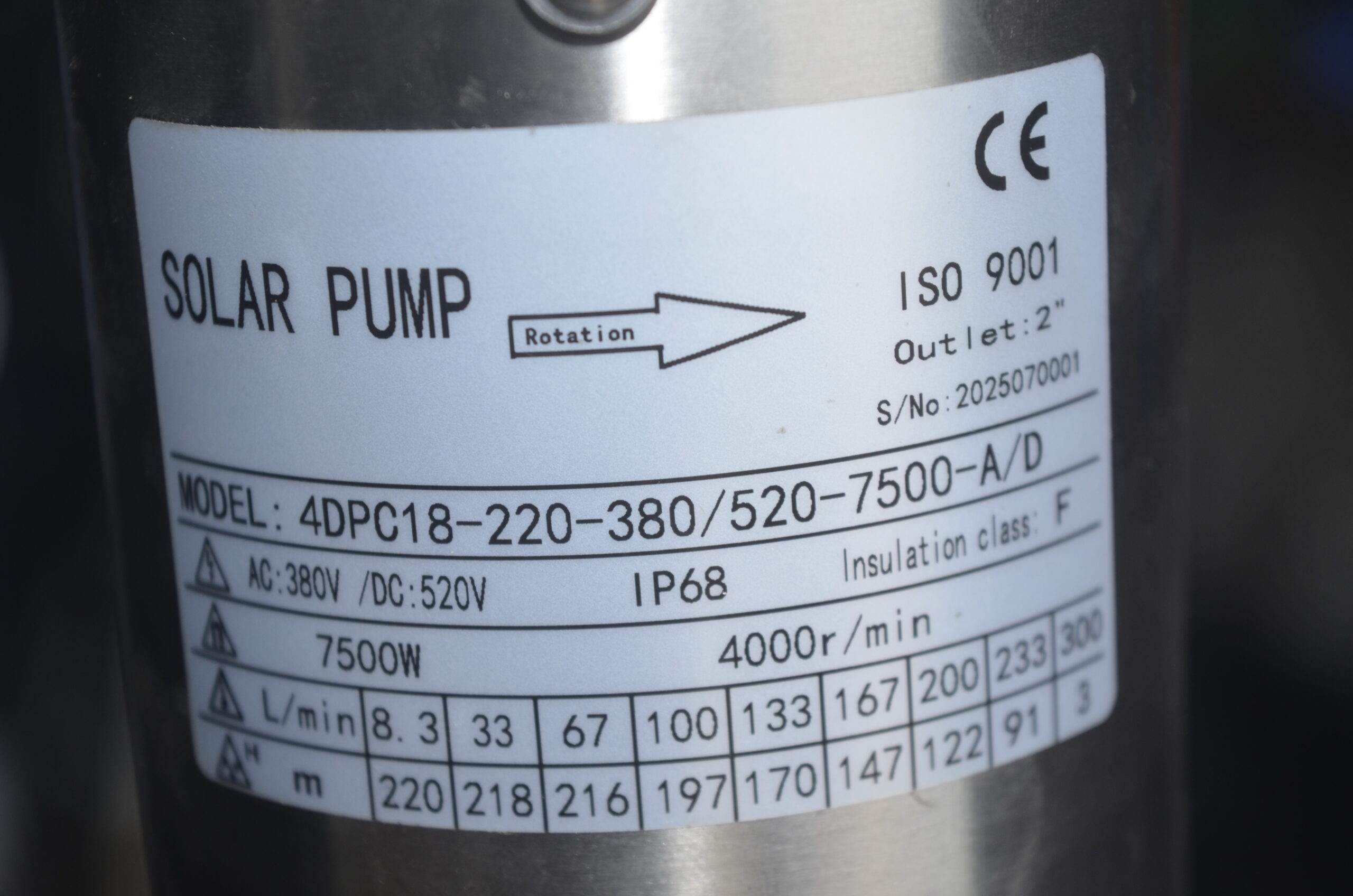 ?
Most solar pumps for sale in Kenya are submersible units lowered into a borehole or a well. In contrast, a surface pump sits at ground level and draws from a dam, pan or shallow well.
| Point | Submersible | Surface |
|---|---|---|
| Where it sits | Inside the borehole or well | Beside the source, on dry ground |
| Best source | Borehole and deep well | Dam, pan, river, storage tank |
| Suction limit | Not applicable | About 7 metres of lift |
| Service access | Pulled out with the rising main | Opened in place |
| Typical use | Drip systems and stock water | Flood, sprinkler and tank filling |
However, a submersible pump is selected by head, not by borehole depth alone. The same 60 metre borehole may need a different pump. It depends on whether the water level sits at 15 metres or at 50.
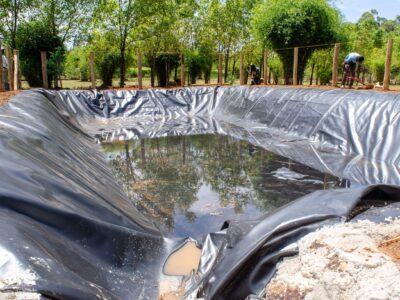
Where the source is a dam or a pan, a surface pump is easier to service and simpler to replace. Where the source is a borehole, only a submersible pump will do.
What the Quote for Solar Pumps for Sale in Kenya Covers
Any quote for solar pumps for sale in Kenya covers more than the pump. It lists the pump and motor, the array and the controller. The same list carries the cable, the float and dry-run protection, the mounting and the delivery.
The cable is often the forgotten line. A long run from the array to the borehole loses voltage. Because of this, the cable size is calculated from the pump current and the distance.
The pump buying guide compares diesel, electric and solar drive. Also, the solar powered irrigation systems page shows how the pump fits into a drip layout.
What a Solar Pump Costs to Run
A solar pump has no fuel line and no grid connection. Therefore, the running cost is maintenance rather than energy. Panels need cleaning, and the pump end wears with grit and with run-dry events.
The saving case is set out on the pump buying guide. That page compares a solar set with a diesel pump and its fuel bill. It carries the payback figures for this business, and this listing does not restate them as a promise.
In practice, two habits protect the investment. A dry-run switch stops the pump when the source falls. A float switch stops it when the tank is full. Both cost little, and both prevent the two failures that damage pump ends.
Three Checks Before You Order
The first check is the borehole test. A pump is only as good as the yield behind it. A test that logs the water level while pumping gives the drawdown figure the sizing needs. The borehole drilling page explains the test.
The second check is shading. Typically, a panel shaded by a tree or a wall for two hours loses more output than its rating suggests. Look at the site at 9 am and again at 3 pm before fixing the array position.
The third check is storage. A tank sized for one day of demand lets the pump run at its best rate. It also lets watering continue after dark. Without a tank, the system only waters while the sun is up.
Frequently Asked Questions About Solar Pumps for Sale in Kenya
How much do solar pumps cost in Kenya?
Solar pumps for sale in Kenya are quoted per site, because the pump, array and controller are sized together. A set for a shallow well and a set for a deep borehole differ in every line.
Can a solar pump run at night?
Not from panels alone. It runs at night only from a battery or from a tank filled during the day. Therefore, most irrigation systems choose the tank, because water storage costs less than batteries.
What size of solar pump do I need?
The size follows the daily volume and the total head. Send the litres per day and the head, and the pump is chosen at the flow that meets both figures.
Do solar pumps work on cloudy days?
They run, but at reduced output. A dim day may still fill a tank slowly. A heavily overcast day may not run the pump at all.
Can a solar pump feed drip irrigation?
Yes, with filtration and a tank. Drip emitters block on grit, so the water passes the irrigation water filters after the pump. The tank then keeps pressure steady while pump output changes.
Will a solar pump fit an existing borehole?
Usually yes, if the borehole diameter takes the pump and the yield test supports the flow. The rising main and the cable are normally replaced at the same time. Also, the run to the tank is sized like any mainline, using the irrigation pipes range.
Order Solar Pumps for Sale in Kenya
To order solar pumps for sale in Kenya, send four figures. They are the borehole depth, the water level, the daily volume in litres and the delivery height. Add a photo of the site and the tank position.
Those four figures are enough to return a pump model, an array size and a price for the set. The set is confirmed in writing before any panel is mounted or any pump is lowered.
The contact page has the phone numbers and the email address. The same team mounts the panels and commissions the pump. The solar-powered pump reference explains the working principle in more detail.