
Description
Water Meter for Sale in Kenya
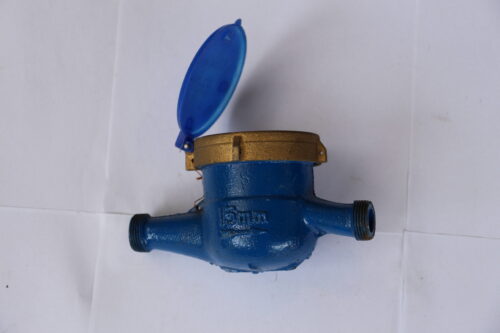
A water meter is a measuring device installed on a water pipeline to record the amount of water passing through it. A water meter helps you measure the exact amount of water flowing through your pipeline. It allows you to monitor usage, reduce wastage, detect leaks early, and manage water costs effectively.
The reading is usually displayed in cubic metres (m³), where:
- 1 cubic metre (1m³) = 1,000 litres of water
Water meters are commonly installed on:
- Irrigation systems
- Boreholes
- Water storage tanks
- Domestic water connections
- Livestock farms
- Rental apartments
- Schools and hospitals
- Commercial buildings
By measuring water consumption accurately, users can improve water management and reduce unnecessary losses.
Benefits of a Water Meter to a Kenyan Farmer
- Controls Water Usage
Instead of guessing how much water your crops receive, you know the exact volume used.
This helps prevent:
- Over-irrigation
- Under-irrigation
- Water wastage
- Reduces Irrigation Costs
If you pump water using electricity, diesel, or solar energy, every litre pumped has a cost.
A water meter helps you monitor usage and reduce unnecessary pumping, saving money over time.
- Detects Water Leaks
Sometimes underground pipes develop leaks that are difficult to notice.
If the water meter keeps running while no water is being used, it may indicate:
- Broken pipes
- Loose fittings
- Damaged valves
Early detection prevents water loss and expensive repairs.
- Improves Farm Planning
Knowing daily and weekly water usage helps farmers:
- Schedule irrigation properly
- Estimate future water requirements
- Plan dam or tank capacity
- Improve crop management
- Supports Water Billing
For landlords, institutions, and water suppliers, water meters provide accurate billing based on actual consumption instead of estimates.
Common Types of Water Meters in Kenya
Different water meters are designed for different applications.
- Mechanical Water Meter
This is the most common type.
It uses an internal impeller or turbine that rotates when water flows through it.
Advantages include:
- Affordable
- Easy to install
- Reliable
- Long lifespan
- No electricity required
Best for:
- Homes
- Farms
- Rental houses
- Small businesses
- Multi-Jet Water Meter
This design uses several water jets to spin the measuring mechanism.
Benefits include:
- Better accuracy
- Longer service life
- Stable readings
- Performs well under varying water pressure
Suitable for:
- Residential properties
- Institutions
- Commercial buildings
- Woltmann Water Meter
These meters are designed for large volumes of water.
Common applications include:
- Large farms
- County water projects
- Factories
- Industrial irrigation
- Commercial water supply
They measure high water flow with excellent accuracy.
- Digital Water Meter
Modern digital water meters offer advanced monitoring features.
Some models include:
- LCD display
- Remote reading
- Smart monitoring
- Wireless communication
- Automatic reporting
These are suitable for large commercial installations where detailed monitoring is required.
Water Meter Sizes Available in Kenya
Choosing the correct pipe size is very important.
Common sizes include:
| Water Meter Size | Typical Application |
| 15mm (½ inch) | Homes and small houses |
| 20mm (¾ inch) | Residential compounds |
| 25mm (1 inch) | Small irrigation systems |
| 32mm (1¼ inch) | Medium farms |
| 40mm (1½ inch) | Large irrigation lines |
| 50mm (2 inch) | Commercial farms |
| 80mm and above | Large-scale water projects |
Always match the meter size with your pipeline diameter.
Factors influencing the choice of a Water Meter
Before buying a water meter, consider several important factors.
- Pipe Size- Choose a meter that matches your pipeline. Installing a smaller or larger meter than required reduces accuracy.
- Water Flow Rate- Different farms use different amounts of water. A drip irrigation system uses less water than a rain gun irrigation system. Choose a meter designed for your expected flow.
- Water Quality- If your water contains sand, mud, small stones, and debris, choose a durable meter and install a filter before the meter to protect it.
- Accuracy- High-quality water meters provide consistent and reliable readings over many years. Avoid very cheap products that lose accuracy quickly.
- Durability- Good water meters are made from brass, cast iron, engineering plastic and stainless-steel components. These materials resist corrosion and long lasting.
Water Meter Installation
Correct installation improves performance.
- Install the meter in the direction of water flow.
- Ensure the arrow on the meter points correctly.
- Keep the pipeline clean before installation.
- Install a filter before the meter.
- Avoid air entering the pipeline.
- Protect the meter from direct sunlight.
- Place it where readings are easy to access.
- Prevent vehicles from driving over the meter.
Water Meter Maintenance
Water meters require very little maintenance.
Simple practices include:
- Check readings regularly.
- Inspect for leaks.
- Clean filters.
- Protect against flooding.
- Replace damaged seals.
- Service faulty valves.
Why Farmers Are Installing Water Meters
Modern farming is becoming more data-driven. They measure:
- Water usage
- Fertilizer application
- Irrigation time
- Crop performance
A water meter is one of the simplest tools that can improve irrigation efficiency and increase profitability. By knowing exactly how much water is applied to crops, farmers can avoid waste, maintain healthier plants, and make better use of available water resources.
A water meter is installed to monitor total water usage and flow rate in the system More