
Description
HDPE Irrigation Pipe: Sizes, Pressure Ratings and Prices
An HDPE irrigation pipe moves water from a source to a drip line with almost no leakage. HDPE stands for high-density polyethylene, a tough thermoplastic. Each pipe carries a PN marking, which is its nominal pressure rating in bar. Eunidrip supplies the range from 16 mm to 250 mm, so one material covers the mainline, the sub-mains and the laterals. This guide covers the pipe roles, the pressure ratings, the installation methods and the current prices.
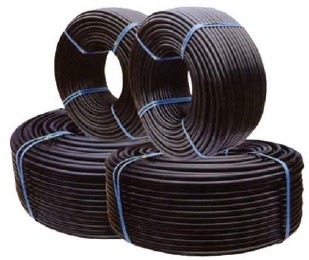
Three Pipe Types Farmers Compare
Most irrigation quotations list three options: PVC, PPR and PE. PVC is rigid and cheap, and it suits gravity layouts with gentle pressures. PPR handles hot water, which matters in a plumbing plant rather than a field. PE, and HDPE in particular, is the most preferred type on a farm.
Rather than relying on solvent cement, PE joints are fused, so the joint becomes as strong as the pipe itself. A field line is buried, moved by traffic and exposed to sun. Therefore the tougher material usually wins on service life rather than on price per metre. The same resin also carries drinking water mains, a fair test of how it behaves underground (HDPE material profile).

Where an HDPE Irrigation Pipe Sits in a Drip System
A drip scheme has three pipe roles, and the same HDPE irrigation pipe fills all three. First comes the mainline, which carries water from the source to the field head. Next come the sub-mains, which branch off the mainline and feed each zone. Then the laterals run along the crop row and deliver water to the emitters, whether those are drip line or small sprinklers.
| Pipe role | Carries water from | Delivers to |
|---|---|---|
| Mainline | The source, pump or reservoir | The sub-mains |
| Sub-main | The mainline | The laterals |
| Lateral | The sub-main | Emitters, drip line or sprinklers |
Sizing each role is a separate job, and the system design steps decide the diameter more than the crop does. In practice, a grower buys one coil type in three diameters rather than three different products.
What PN Means on an HDPE Irrigation Pipe
PN is the nominal pressure the pipe is rated to carry, printed in bar. A PN6 line is rated near 6 bar, and a PN10 line near 10 bar. Therefore the rating, not the colour or the wall look, is what you match to the pump. As a result, a mainline below a high-head pump needs a higher PN class than a gravity sub-main. Typically the smallest bore in a long run carries the highest working pressure, so check the pressure at the low point of the plot, not at the tank. For example, a coil run downhill from a ridge tank sees more head than the pump alone suggests.
Sizes from 16 mm to 250 mm
Small bores do the lateral work, and large bores carry the flow. Common field sizes start at 16 mm for laterals and move through 20 mm, 25 mm, 32 mm, 40 mm, 50 mm and 63 mm for sub-mains. Larger plots then step up through 75 mm, 90 mm, 110 mm and beyond, with the range topping out at 250 mm for a mainline or a borehole rising main. Also, coils in the smaller bores arrive on 100 metre rolls, which cuts the number of joints in a long run. Each joint you remove is one fitting, one clamp and one future leak you do not buy.
Ten Advantages of the Material
Buyers choose this material for ten repeatable reasons.
- Environmental safety. The plastic is non-toxic and tasteless, so it does not taint drinking water, and it never scales from inside.
- Corrosion resistance. Unlike steel, it is not attacked by soil chemistry or fertiliser salts.
- No leakage. Fused joints are stronger than the pipe wall, so the line fails at the pipe before it fails at the joint.
- High toughness. The wall absorbs uneven ground settlement and seismic movement without snapping.
- Crack resistance. It bends under load rather than splitting along a stress line.
- Wear resistance. Low friction on the inner wall means less abrasion from sand in the water.
- Easy installation. Long coils and light weight allow trenchless laying where a trench is impractical.
- Low cost. Material plus labour per metre usually lands below a metal alternative.
- Long service life. A properly bedded buried line is normally used for 55 years.
- Recyclability. Offcuts and retired pipe re-enter plastic manufacture instead of a landfill.
Moreover, one advantage drives several others: the fused joint is why a flexible, tough line can also be a leak-free one. That is the case for drip over flood irrigation too, since a buried line that holds pressure keeps the emitter rates even across the plot.
How an HDPE Irrigation Pipe Is Laid
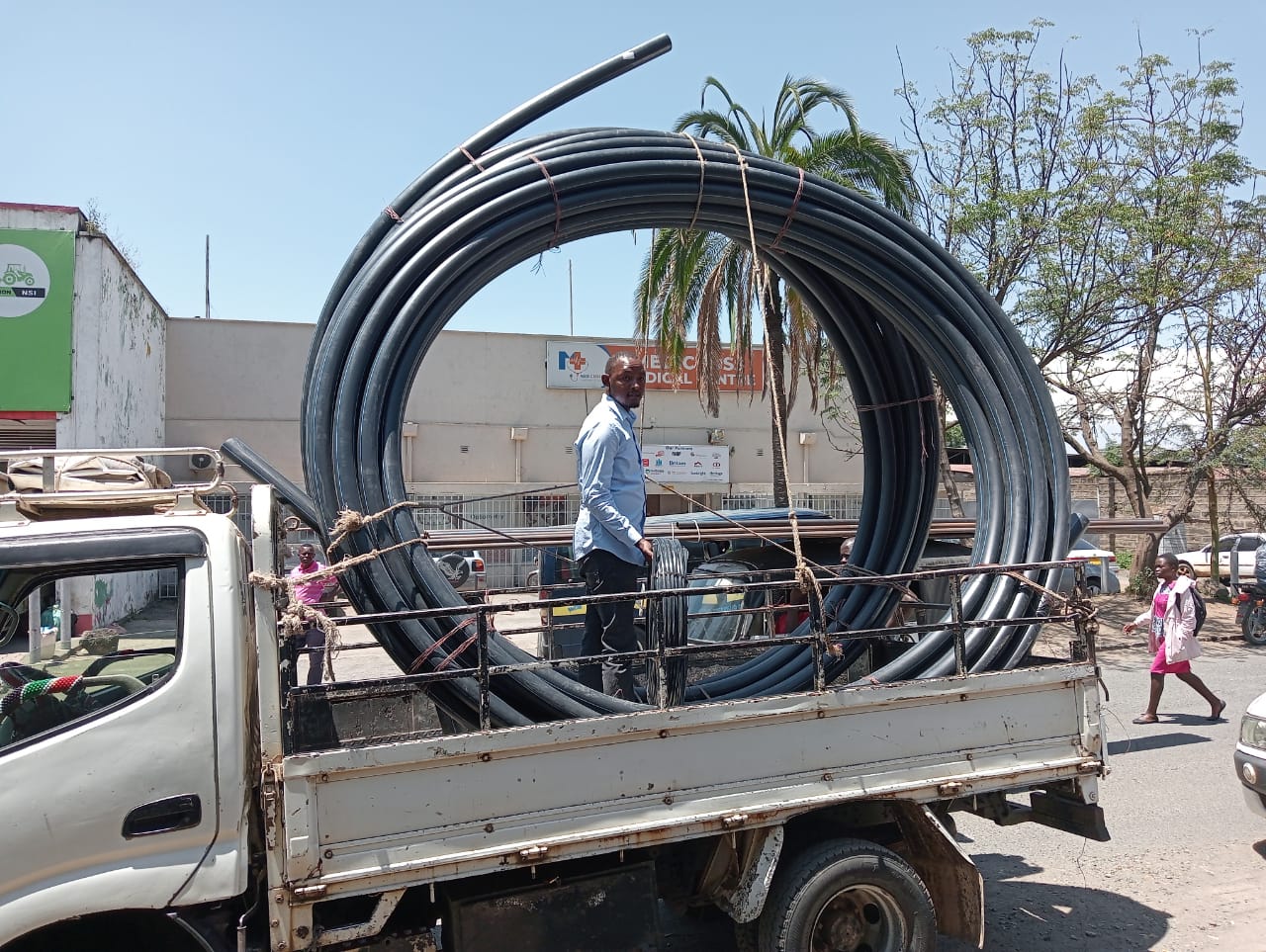
Two methods dominate. Open cut remains the standard approach: a trench is dug, the coil is laid on a sand or fine-soil bed, tested under pressure, then backfilled. Meanwhile, the vibration plow method pulls the coil through the soil behind a vibrating blade, which buries the line in a single pass without an open trench. Trenchless laying suits pasture, planted fields and roadsides, where digging would destroy the cover or stop traffic. Specifically, the plow method works on pliable ground; rocky or heavily compacted profiles still need open cut. Then, before backfill, the line is pressurised so every joint is proven in the ground rather than on the surface.
Factors to Check Before You Buy
Ask eight questions of any quotation, in this order.
- Pipe type. Confirm PE against PVC and PPR for the role you are buying.
- Construction material. Check the resin grade and whether the wall is genuine HDPE.
- Price. Compare per 100 metre roll, not per metre, so joint counts match.
- Durability. Ask for the expected buried life, and expect 55 years or more.
- Irrigation method. A drip layout and a sprinkler layout need different bores.
- Flexibility. Coils reduce joints; rigid lengths suit exposed header runs.
- Chemical resistance. Fertigated acid and chlorine blends must not attack the wall.
- Tearing resistance. Check gauge and wall thickness, since a thin wall dents in hot weather and cracks in cold.
For instance, a 16 mm lateral buried under a wheel track will fail from a dent long before it fails from pressure. Instead, route that run away from traffic or step up the class.
HDPE Irrigation Pipe Price in Kenya
The table below lists Eunidrip figures per 100 metre roll for the bores a grower buys most often, priced in Kenyan shillings.
| Pipe size | Roll length | Price (KSh) |
|---|---|---|
| 16 mm | 100 m | 1,800 |
| 20 mm | 100 m | 3,000 |
| 25 mm | 100 m | 4,000 |
| 32 mm | 100 m | 5,500 |
| 40 mm | 100 m | 8,000 |
| 50 mm | 100 m | 11,500 |
| 63 mm | 100 m | 18,500 |
Prices follow the resin market, so confirm them before you order. Consequently, treat these as a working budget rather than a quotation. For a whole plot, add the fittings, valves and labour to a line-by-line estimate, the method used in the cost of a one acre drip kit breakdown.
Frequently Asked Questions on Pipe Selection
Can I use the same coil for the mainline and the lateral? Yes, where the PN class and the bore suit both roles. Practically, most farms buy two or three bores of one pipe type.
Does the pipe need glue? No. Fused PE joints need heat and pressure rather than solvent, which is why the joint is not the weak point.
How deep should the line sit? Below the plough layer and on a fine bed, so a bent wall from a stone is not the failure you pay for later.
Which size carries the most water? The widest bore in your budget, since friction loss drops sharply as diameter rises. See the high volume, low pressure design method for that arithmetic.
Can the line be laid without digging? Yes, with a vibration plow on pliable ground. Rocky ground still needs open cut.
Where to Source Pipe and Fittings in Kenya
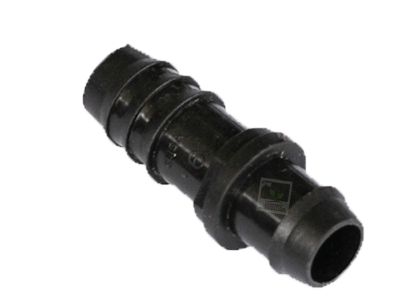
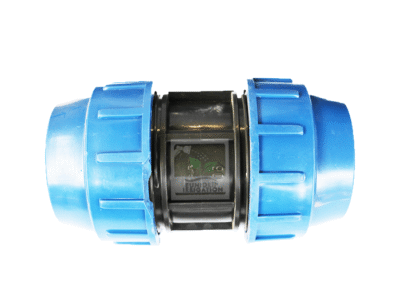
Eunidrip supplies pipe, connectors and complete kits, and installs the layout on site. Compare the pipe with the stocked HDPE pipes for sale in Kenya, then plan the layout with the drip irrigation system page or write to the team with your plot size and water source.
Must Read: HDPE Pipes for Sale in Kenya