

Table of Contents
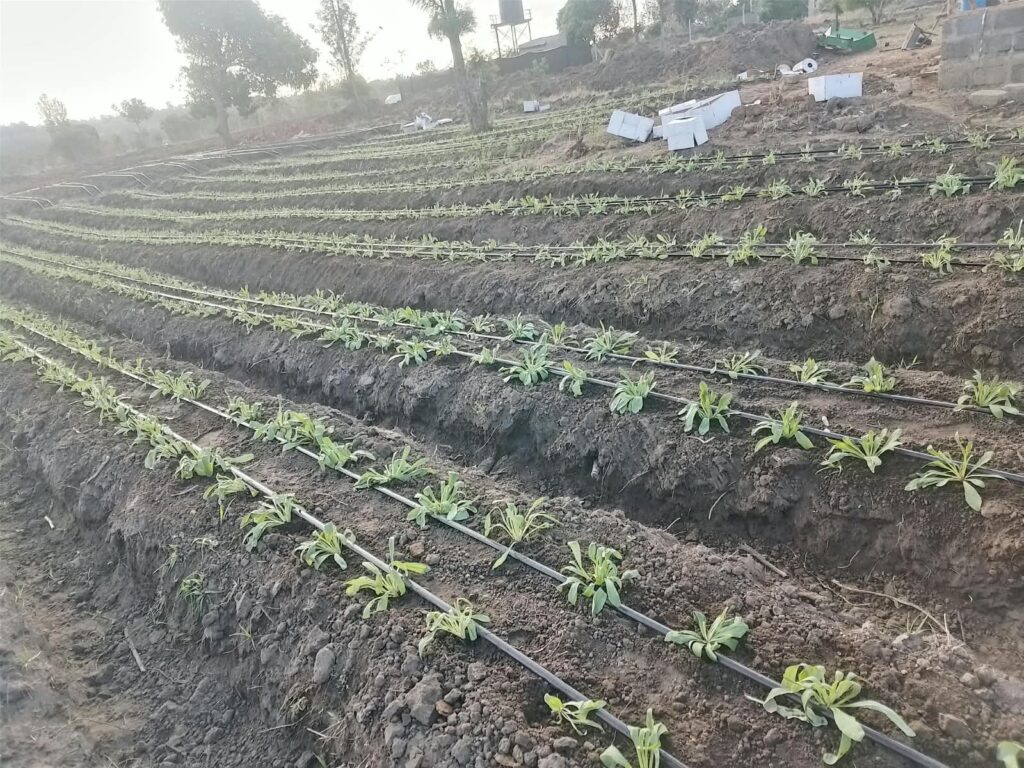
What is the cost of one acre drip irrigation? In Kenya the kit runs from about KSh 85,000 for watermelon to KSh 160,000 for onion, garlic, herbs and strawberry. Four things move the total. Bed spacing decides how much pipe you need, pipe type decides the rate, pressure decides the block count, and the block count decides the fittings. The tables below keep the original cost bands and show what each row actually buys.
Three factors decide the figure: crop type, pipe type and the water pressure available. Start with the crop, because it fixes the lines per bed and therefore the pipe count.
| Crop type | Drip lines per bed | Acreage | Cost in KSh |
|---|---|---|---|
| Watermelon | 1 | 1/8 | 15,000 |
| 1/4 | 25,000 | ||
| 1/2 | 45,000 | ||
| 1 | 85,000 | ||
| Tomato, cabbage, chilies, capsicum, green beans, peas | 2 | 1/8 | 25,000 |
| 1/4 | 40,000 | ||
| 1/2 | 75,000 | ||
| 1 | 140,000 | ||
| Onion, garlic, herbs, spices, strawberry | 3 | 1/8 | 27,500 |
| 1/4 | 45,000 | ||
| 1/2 | 85,000 | ||
| 1 | 160,000 |
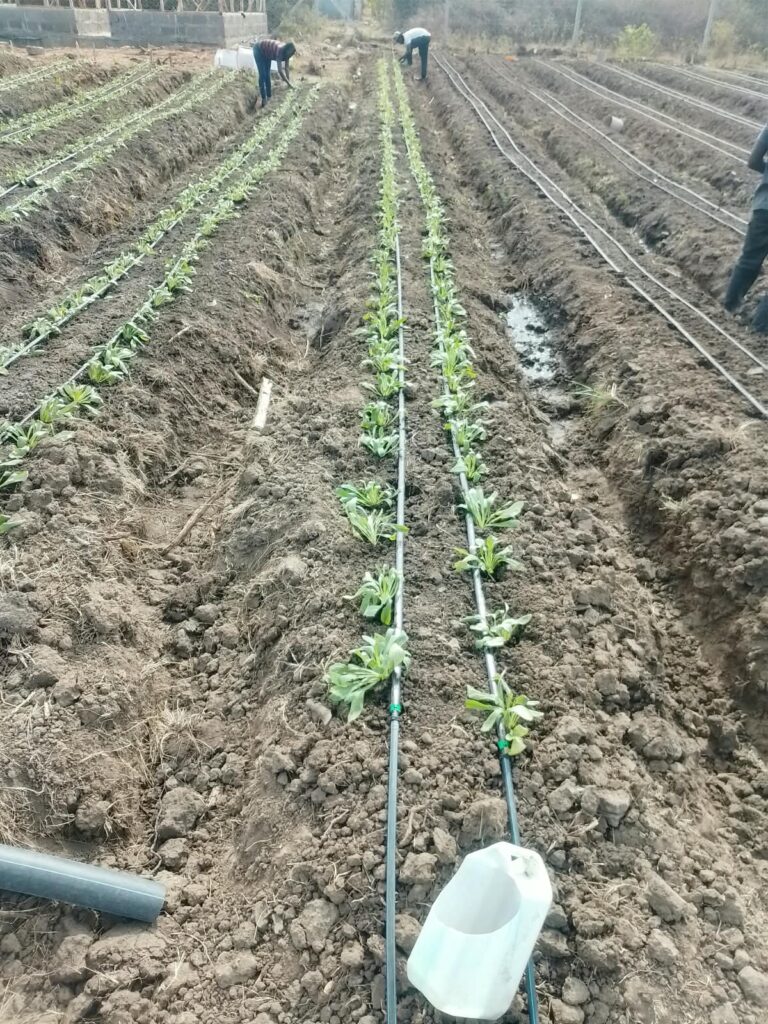
Prices are in Kenyan Shillings (KSh). They are indicative and move with market conditions and the requirements of the specific project. The gap between the top and bottom row is not a markup decision. Watermelon is planted on wide beds, so one drip line serves a row and the emitter spacing can stay generous. Onion and strawberry are planted dense, so each bed carries three lines and the emitters sit closer together. Consequently, the same acre needs roughly three times the pipe and far more connectors.
What Drives the Cost of One Acre Drip Irrigation
Six inputs move the final number, and each one shifts the cost of one acre drip irrigation by a different amount. The crop fixes bed width, lines per bed and emitter spacing. The water source fixes the filter type and the main line diameter. Pipe material changes the rate per metre. The pressure regime changes how many blocks the acre is cut into. The component list changes the fittings. Finally, installation changes the labour line.
Drip puts water at the root zone instead of over the whole field. As a result, less is lost to evaporation and runoff, which is the same logic water utilities apply to leakage management in piped networks.
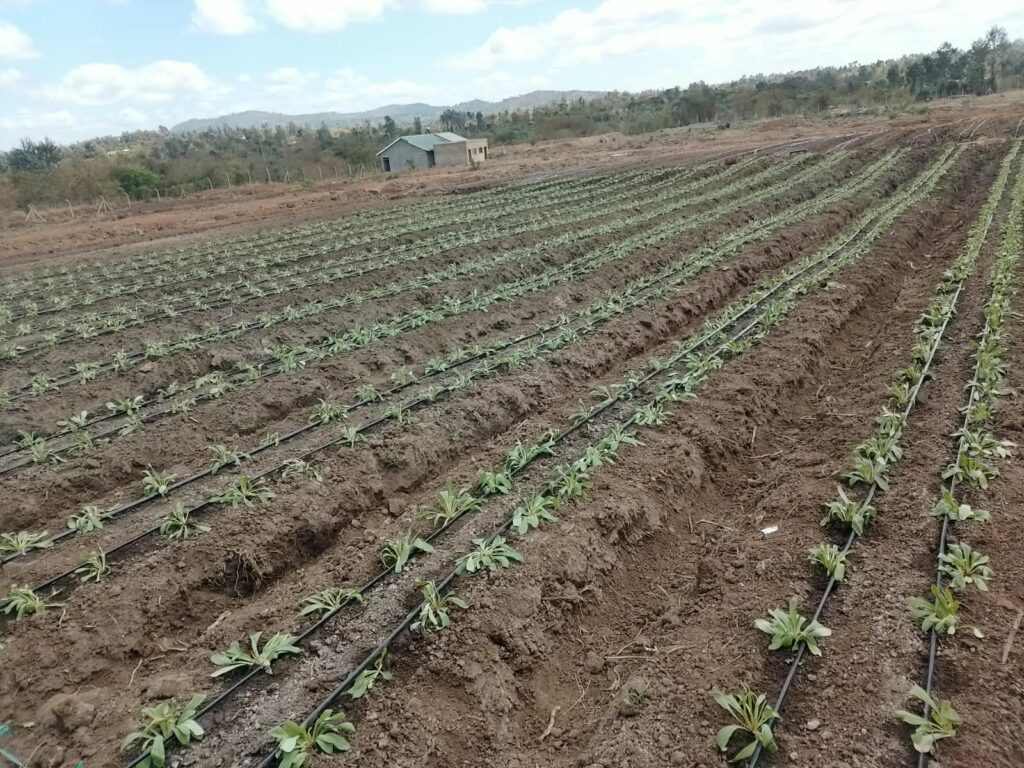
Water quality deserves its own check. A clean borehole may need only a screen filter. A dam or a river usually needs a sand filter ahead of it, because silt blocks emitters. A blocked emitter is not a repair bill. It is a crop loss on that row, because the plant stops drinking without showing a symptom for days. For this reason, ask what your water carries before you compare quotes.
How Crop, Pipe and Pressure Move the Cost of One Acre Drip Irrigation
Pipe type. PVC and HDPE both work as main and sub-main lines. PVC is the dearer of the two on most Kenyan quotes, because the pipe, the joints and the labour all cost more. HDPE comes on a roll, needs fewer joints and is usually the lower-cost route. However, HDPE needs proper insert fittings, so the saving depends on the fittings being priced in from the start.
| Pipe type | Cost in KSh |
|---|---|
| PVC mainline | Higher cost to work with |
| HDPE mainline | Lower cost to work with |
Pressure. This one runs against intuition. A high-pressure system can serve a larger area from one point, so the acre splits into fewer blocks. A low-pressure system, by contrast, divides the same acre into more blocks to keep the flow even. Each extra block carries its own valve and fittings, so the total climbs. Therefore, low pressure is not automatically the cheaper design.
| Water pressure | Impact on cost |
|---|---|
| High pressure | Fewer irrigation blocks, less fittings, lower cost |
| Low pressure | More irrigation blocks, more fittings, higher cost |
Spacing. Emitter spacing and lines per bed repeat the crop decision in hardware. A wider spacing uses less pipe and fewer connectors. A tighter spacing raises both counts, and it also raises the number of off-takes per sub-main.
The Parts That Make Up a One Acre Kit
The parts below are what a quote should list by name. Ask for each line separately, because the cost of one acre drip irrigation is decided by a few lines rather than by the whole list. A lump sum hides which part changed when two suppliers differ by KSh 20,000.
| Part | What it does | What moves its price |
|---|---|---|
| Drip pipe, 16 mm | Delivers water along the bed | Emitter spacing and wall thickness |
| Main line | Carries water from the source | Diameter and PVC or HDPE |
| Sub-main line | Feeds each block of drip line | Length and diameter |
| Filter | Protects the emitters | Screen or sand, and flow rate |
| End caps | Close the end of each drip line | Count per block |
| Rubbers | Seal the off-take joint | Count per connection |
| Connectors | Join drip line to sub-main | Starter or off-take type |
| Tees | Split flow in two directions | Count per block |
| Elbows | Turn a line to suit the layout | Count and diameter |
| Valves | Control each block | Mini valve or ball valve |
| Venturi injector | Adds fertiliser or pesticide | Inlet size and acreage |
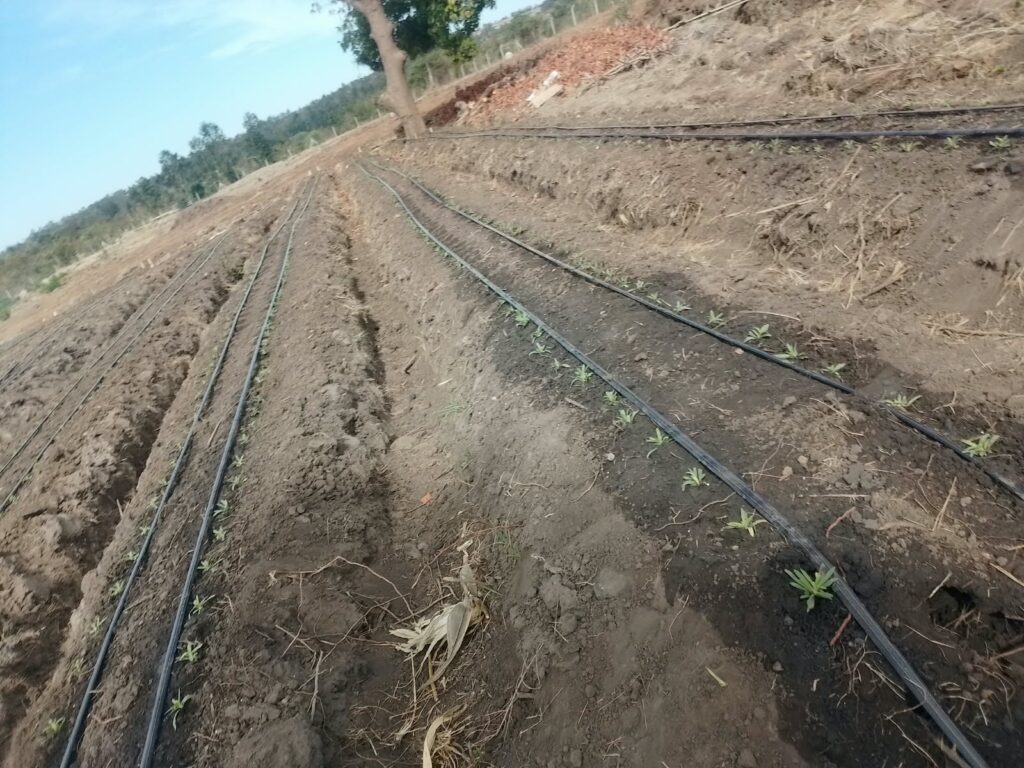
Two parts carry the most weight. The drip pipe sets the largest single line, and the filter protects everything downstream of it. If you compare drip irrigation fittings across suppliers, compare the wall thickness and the emitter spacing, not only the price per roll.
What a Quote Should Itemise
A kit price and an installed price are different numbers. Ask which one you are being given. Most buyers mean the installed figure when they ask about the cost of one acre drip irrigation, so name the line you want. Also ask for the block count, the pipe diameter, the emitter spacing, the filter type, and whether the venturi injector is included.
Start with a trial block before you commit the full acre. One block proves the pressure, the spacing and the filter against your own water. Then the full install follows a design you have already tested on the farm. Finally, keep the itemised quote, because it is the only document that lets you compare two suppliers line by line.
Frequently Asked Questions About Cost of One Acre Drip Irrigation
How much does one acre of drip irrigation cost in Kenya? The kit runs from about KSh 85,000 for watermelon to about KSh 160,000 for onion, garlic, herbs and strawberry. That is the range most Kenyan suppliers quote for the cost of one acre drip irrigation. Tomato, cabbage and capsicum sit in the middle band near KSh 140,000.
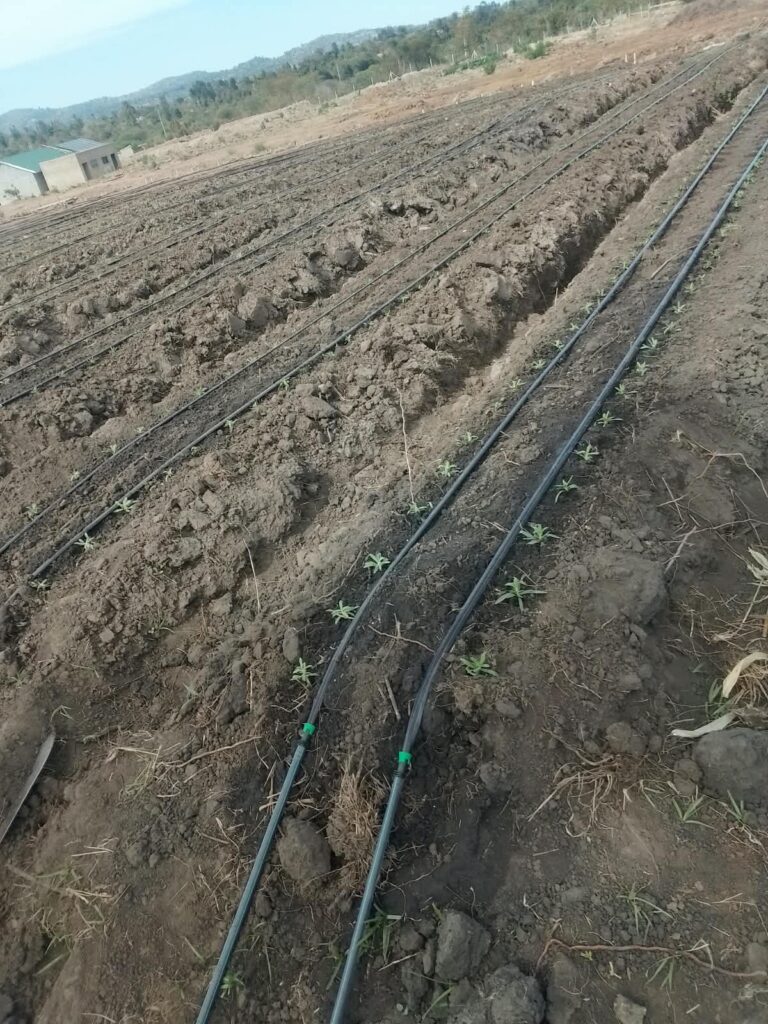
Can I start with a smaller plot? Yes. The crop table above prices an eighth, a quarter and a half acre. An eighth acre starts at KSh 15,000 for watermelon and KSh 25,000 to KSh 27,500 for the other crop groups. A smaller plot is the cheapest way to test a supplier.
Is PVC or HDPE the cheaper pipe? HDPE is usually the lower-cost route, because it arrives on a roll and needs fewer joints. PVC costs more on pipe, joints and labour. Remember to price the insert fittings with the HDPE line, since they are not free.
Why does low pressure cost more? A low-pressure system is split into more blocks to keep the flow even. Each block needs its own valve, filter connection and fittings. That is why the fittings bill rises as the pressure falls.
Does the price include installation? The bands above cover the kit. Installation, storage and land preparation are separate. Ask any supplier to quote both lines, so you can see what you are buying before you compare.
Can I get an estimate for my own plot? Yes. Use the simple drip irrigation kit guide for a small plot, or send your crop and water source for a written quote.
Get Your Cost of One Acre Drip Irrigation Quote
Send us the crop, the plot size and your water source. We will return an itemised quote, with the kit and the installation priced apart. You can also start from the one acre drip irrigation kit page to see what the standard package contains.
If you want the system-level view, our guide to the cost of a drip irrigation system in Kenya covers pumps, storage and design. For the acre itself, the table above is the fastest place to start, because it prices your crop before anyone visits the farm.