
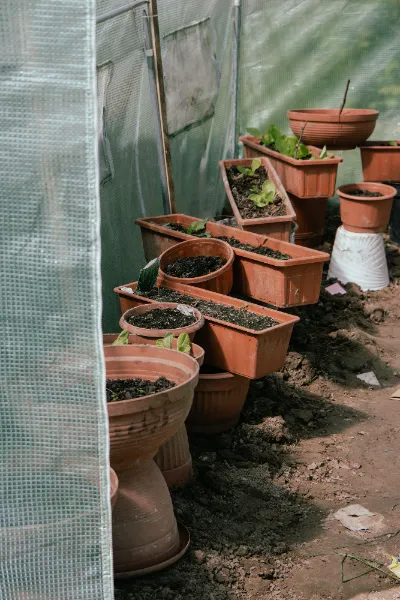
Description
Planting Pots are containers that hold growing media and support plants where direct ground planting is impractical or unwanted. The right pot gives roots enough suitable space, provides drainage and remains stable in its intended location. Choose a container for the plant, growing medium and placement rather than for appearance alone.
Before buying, consider the root system, mature plant size, watering routine, wind exposure and whether the container will be indoors, on a balcony, in a greenhouse or in a nursery. A pot that is too small, too large, unstable or without workable drainage can complicate plant care.
Planting Pots: 4 types to compare
Pot material affects weight, water movement, durability and appearance. Individual products vary, so inspect their drainage holes, dimensions and intended use. These four common categories are a starting point for comparison, not a list of stocked Eunidrip products.
1. Plastic planting pots
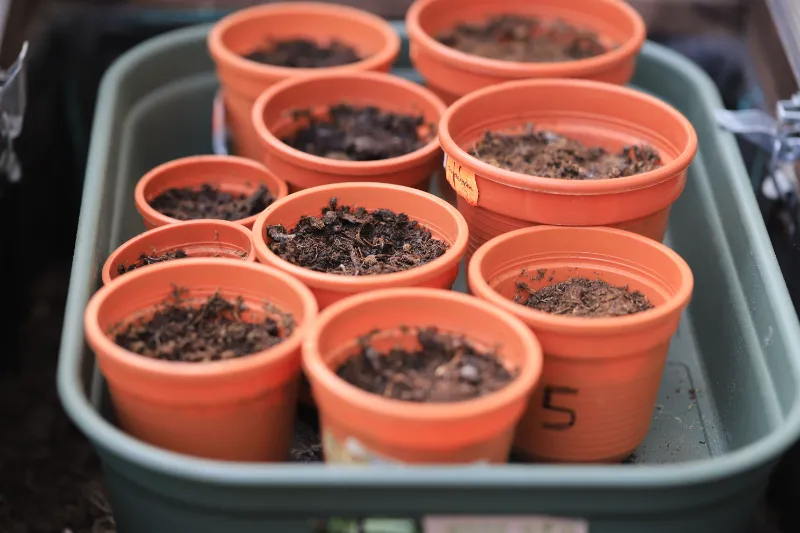 Plastic pots are often light and easy to move. They can be useful for seedlings, flowers, herbs and nursery work where containers need frequent handling. However, check the drainage holes and condition of the plastic; a lightweight pot may need a stable location when a plant becomes tall or top-heavy. In addition, inspect the base for distortion before reuse.
2. Terracotta or clay planting pots
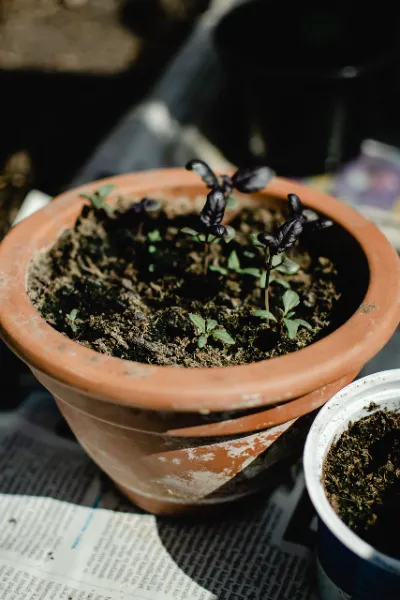
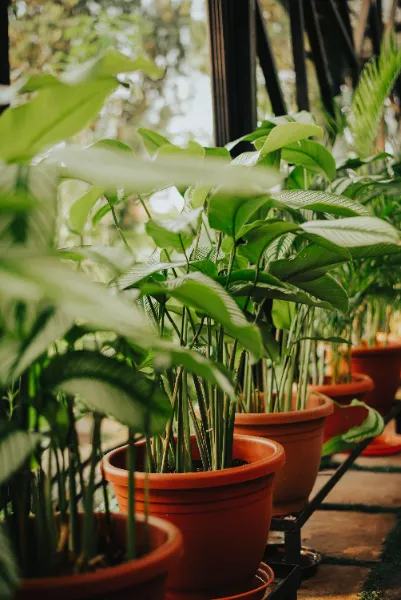 Unglazed clay is porous, so its walls can allow moisture to move differently from plastic or glazed ceramic. This may suit some plant and watering arrangements, but it can also mean more frequent checks in warm or windy conditions. Therefore, select the material together with the plant’s moisture needs and the local environment.
3. Ceramic planting pots
Ceramic containers are often selected for indoor displays or landscaping. They can add weight and stability, but they may crack if mishandled or exposed to conditions beyond their design. Therefore, if a decorative outer pot has no drainage, use it only in a way that does not leave the planted rootball sitting in excess water.
4. Wooden planting containers
Wooden troughs, boxes and raised containers can hold multiple plants or create a defined growing area. Check construction, drainage and the suitability of any treatment for planting applications. In addition, place a large container before filling it, because its weight can increase substantially with media and water.
Compare Planting Pots before buying
| Container type | Situation to consider | Detail to verify |
|---|---|---|
| Plastic | Moving plants or routine nursery work | Drainage, wall condition and stability |
| Terracotta or clay | Plants needing a porous container | Drainage, cracks and watering routine |
| Ceramic | Indoor or ornamental displays | Drainage, weight and frost suitability |
| Wooden container | Herbs, vegetables or grouped planting | Construction, drainage and safe placement |
Use the table to narrow the material choice, then assess the exact pot. For example, two plastic pots can differ in base width and drainage-hole design. Similarly, a heavy ceramic pot can improve stability, yet be unsuitable for a location that cannot safely bear the filled weight. In that case, choose a lighter stable arrangement.
Planting Pots size and root space
Choose pot size from the rootball, expected root growth and the plant’s mature needs. Height above the soil is not a reliable guide to root depth. A large canopy does not automatically require a deep pot, and a small plant may still need room for a developing root system.
Avoid automatically moving every plant into an oversized container. Excess unrooted growing medium can remain wet for longer than the plant needs. The RHS container-gardening guide advises using the rootball as a guide and notes that an overly large pot can become waterlogged.
Planting Pots and drainage
Drainage holes in the base are an essential check for a planted container. They allow excess water to leave rather than accumulating around the roots. Therefore, if an indoor pot stands in a saucer or outer cover, empty any excess water according to the plant’s needs.
Do not assume that a decorative container is ready for direct planting. Check for holes before adding media, and use a nursery pot inside an outer cover only when it can be removed for watering and drainage. The RHS states that drainage holes in a container base are essential.
Matching Planting Pots to plant growth
Match the pot to the plant’s root system, weight and growth habit. Tall or wide plants need a container and placement that resist tipping. Meanwhile, trailing plants may suit a stable elevated arrangement, while compact, shallow-rooted plants can be better suited to a wider, shallower container.
For fruiting vegetables, shrubs or other larger plants, plan for the mature root zone, support needs and watering routine. First, confirm that the location can take the final size and weight. Then use a container designed to hold the required volume of growing media without becoming unstable.
Where to use Planting Pots
Planting Pots can make gardening possible on patios, balconies, verandas, rooftops, indoors, in greenhouses and in nurseries. However, their usefulness comes with additional care: a container has limited growing media, can dry faster or stay wet longer than ground soil, and may need regular monitoring.
Place pots where the plant receives suitable light and the container can be watered without creating a slip risk or damaging nearby surfaces. Also, consider wind, drainage runoff and access for routine inspection. Move heavy pots with suitable equipment or help rather than lifting beyond a safe capacity.
Growing media for Planting Pots
Container plants depend on the growing media inside the pot for root support, moisture, air and nutrients. Select a medium for the crop and production system rather than filling a pot with any available soil. The Oregon State University Extension advises good container drainage and notes that too much unfilled container space can retain excessive water.
| Product | Relevant container context | What to check |
|---|---|---|
| Cocopeat | Seedling, nursery and container growing | Preparation instructions and required pack |
| Vermiculite growing media | Propagation and growing mixes | Grade and suitability for the planned mix |
| Peat moss growing media | Nursery and container applications | Product characteristics and preparation |
The product table lists media used alongside pots, not pot substitutes. It does not make a price, pack-size, stock, fertiliser or crop-performance claim. Review each live product page before ordering.
How to plant in Planting Pots
Start with a clean, stable container that has workable drainage. First, position heavy pots before filling them. Then add the selected growing media so that the plant’s rootball will sit at an appropriate height below the rim, leaving space for watering without washing media over the edge.
- Inspect the pot. Check holes, cracks, sharp edges and stability.
- Choose the media. Use a mix suitable for the plant and container system.
- Set the plant height. Place the rootball without burying the stem beyond its normal planting level.
- Fill around the rootball. Add media gently and remove large air gaps without excessive compaction.
- Water carefully. Apply water slowly enough to wet the media without disturbing the plant.
- Monitor after planting. Recheck moisture, drainage and stability as the plant settles.
The RHS container-planting guide recommends leaving space below the rim and watering thoroughly after planting. Adapt the method to the actual crop and potting mix rather than treating every plant identically.
How to choose Planting Pots
Start with the plant and location, then compare material, dimensions, drainage and weight. However, do not select only by colour or canopy height. The container should support the planned roots, media and watering routine throughout the growing period.
- Check root needs. Use the rootball and expected growth as the starting point.
- Confirm drainage. Inspect the base and decide how runoff will be handled.
- Assess stability. Consider wind, traffic, tall growth and the filled pot’s final weight.
- Compare material. Match porosity, weight and durability to the location and watering plan.
- Plan for movement. Choose a manageable arrangement if the pot may need relocating.
- Check the rim and opening. Ensure planting and future repotting can be done without damaging the rootball.
Finally, consider a few well-sized pots rather than many containers that cannot be watered or inspected consistently. A manageable system is usually more useful than a decorative arrangement that cannot receive regular care.
Caring for Planting Pots
Inspect pots regularly for blocked holes, cracks, root congestion, standing water and plant debris. Clean reusable pots before planting a new crop where the crop plan or disease risk calls for it. The RHS garden-hygiene guidance includes cleaning pots and tools as part of reducing disease risk.
Watering frequency depends on the plant, pot size, material, weather and growing media. Therefore, assess media moisture rather than watering by a fixed calendar. Replace or refresh media according to the crop, the medium’s condition and the production method.
Common Planting Pots mistakes to avoid
Do not use a container with no workable drainage for a plant that needs free drainage. Likewise, do not leave a rootball sitting in excess water, and do not make a very large container the default solution for every small plant. Both poor drainage and excess unused media can create root-zone problems.
Also, avoid relying on a pot’s material label alone. Terracotta, plastic, ceramic and wood can each work in the right setting, but success depends on drainage, media, plant choice, placement and ongoing care. Check these factors together before planting.
Planting Pots: frequently asked questions
What are Planting Pots used for?
They hold growing media and support plants where container growing is preferred or direct ground planting is not possible. Suitable uses include homes, balconies, greenhouses and nurseries.
Do planting pots need drainage holes?
For direct planting, drainage is an essential check. Holes allow excess water to leave the pot; manage any saucer or outer cover so roots are not left in excess water.
How large should a planting pot be?
Choose it from the rootball, expected root development and mature plant needs. Avoid assuming that a tall canopy always needs a deep or oversized container.
Are plastic or terracotta pots better?
Neither is best for every plant. Compare weight, porosity, drainage, watering needs, durability and the intended location.
Can I reuse planting pots?
Many containers can be reused if they remain sound and are cleaned appropriately before a new crop. Inspect holes and remove old debris first.
What media should I use in a planting pot?
Use growing media that suits the crop and container system. It should support roots while addressing moisture and air needs; check the individual product or crop guidance.
Ask about Planting Pots before ordering
Before buying Planting Pots, describe the crop, rootball size, final location, drainage plan and whether the container must be moved. Ask about dimensions, drainage holes, material, weight and current availability. Finally, confirm price and specifications before placing an order.
For Eunidrip enquiries, call +254 728 163329. Planting pots are not currently represented by a matching public product listing, so ask for current availability and specifications rather than treating this article as a stock page.