


Description
Cocopeat
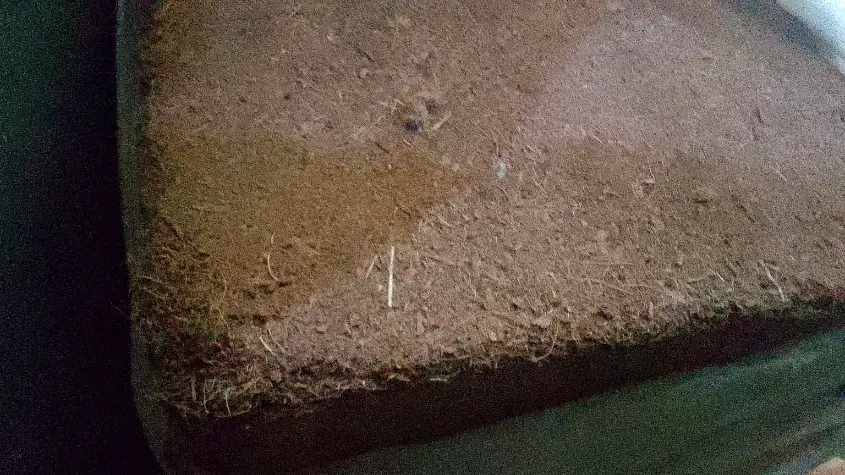
Cocopeat is the soft pith that remains after coconut husks are stripped of their long fibre. It is also called coir pith or coco coir dust. Eunidrip Irrigation Systems supplies it in 1 kg and 5 kg bags for nurseries, greenhouses and home gardens across Kenya.
The medium holds water well and stays loose around roots. Because of this, seedlings establish quickly even in hot weather. It is a by-product of the coconut industry, so it is renewable and biodegradable. Many growers now use it instead of peat moss, which is mined from fragile wetlands.
Cocopeat Sizes and Prices in Kenya
We stock two sizes. The 1 kg bag suits trial batches and small seedling trays. The 5 kg block serves nurseries and greenhouse grow bags. Also, both sizes are compressed for transport, therefore they expand only after soaking.
| Size | Regular price (KSh) | Sale price (KSh) | Best for |
|---|---|---|---|
| 1 kg bag | 150 | 130 | Trial batches, small trays |
| 5 kg block | 850 | 750 | Nurseries, greenhouse grow bags |
Prices are per bag and include the current sale discount. Bulk orders for commercial nurseries are quoted separately, so contact us with the quantity you need. In practice, growers soak blocks the evening before filling trays. Countrywide delivery covers Nairobi, Nakuru, Eldoret, Kisumu, Mombasa and rural areas.
What Makes Good Cocopeat
Quality pith comes from well-processed husks and holds a steady pH. The material generally falls between pH 5.5 and pH 6.5, which suits most vegetables and flowers. However, some acid-loving plants need a small adjustment before planting.
- Water retention. Good pith absorbs 8 to 10 times its dry weight in water. As a result, roots stay moist between irrigations.
- Aeration. The loose structure holds air pockets, so roots breathe even when the medium is wet.
- Low salt. Washed pith has reduced electrical conductivity, making it safe for sensitive seedlings. However, unwashed material can carry salts that scorch young roots.
- Clean start. Unlike field soil, processed pith carries no weed seeds. Trays therefore stay clean through germination.
- Renewable. It is a coconut by-product, therefore a sustainable substitute for mined peat moss. Read more about coir processing and its agricultural uses.
Coir is naturally rich in potassium. In soilless mixes this can lock out calcium and magnesium. For this reason, feed with a balanced fertiliser from the first true leaf.
How to Prepare the Blocks
Compressed blocks need water before use. First, place the block in a clean bucket or tray. Then add water and let the pith soak until it fully expands. A single kilogram of dry cocopeat expands to about 15 litres of moist medium, so the 5 kg block yields roughly 75 litres.
Next, fluff the expanded pith with your hands to break up clumps. It is now ready for trays, pots or grow bags. Use it loose. For sensitive crops, soak the pith in a calcium buffering solution first. Most coir sold for growing is pre-treated. However, a quick rinse removes any remaining salts.
Mixing ratios depend on the crop. For example, a common blend is 70 percent cocopeat and 30 percent perlite for drainage. Heavier feeders do well in a 50:50 mix with compost. Our vermiculite growing media page covers the blending partner in detail.
Where Cocopeat Works Best
The medium is versatile across agricultural and horticultural systems. Common applications include the following.
- Seedling germination. Soft, moist pith gives high germination rates in seed germination trays.
- Greenhouse farming. Grow bags of cocopeat support tomatoes, peppers, cucumbers and strawberries.
- Hydroponics. In hydroponic channels it acts as a soilless substrate that holds both water and air in the right balance for steady root uptake.
- Nurseries. Flower seedlings, tree seedlings and vegetable transplants all establish well in it.
- Potting mix. Blend it with perlite, vermiculite or compost for balanced potting soil. It also replaces mined peat moss growing media in sustainable mixes.
- Landscaping and gardening. Blended into garden beds, it improves soil structure and water retention for lawns and potted plants.
Because cocopeat holds moisture longer, irrigation intervals stretch in dry spells. Roots also stay cooler under mulched beds, which reduces heat stress on young plants.
Benefits of Growing in Cocopeat
Switching to coir pith offers several advantages over conventional soil farming.
- Better water management. Retained moisture cuts irrigation frequency. Consequently, crops survive dry spells with less labour.
- Root health. Proper drainage plus steady retention prevents root rot while keeping water available.
- Reuse. With thorough sterilisation and fresh nutrients, coir can be reused up to three times with little loss of yield. Therefore, sterilise between cycles and discard medium from diseased plants.
- Lower running cost. Water, fertiliser and pesticide spend drops over the season. The upfront cost is slightly higher, however the savings accumulate quickly.
- Sustainability. The medium is biodegradable and renewable, therefore it reduces reliance on non-renewable peat moss.
Frequently Asked Questions
How much does a 1 kg block expand?
About 15 litres of moist medium. The 5 kg block therefore yields roughly 75 litres, enough for several standard seedling trays.
What is the pH range?
Most coir pith falls between pH 5.5 and pH 6.5. This suits most crops. However, adjust the mix for acid-loving species.
Can the medium be reused?
Yes, up to three cycles with sterilisation and a nutrient top-up. Instead, discard medium that grew diseased crops, so pathogens do not spread.
Is it better than peat moss?
It is renewable and holds water well, while peat moss is mined from wetlands. Both work as substrates, but cocopeat is the sustainable choice.
Do I need to add fertiliser?
Yes. Pith holds few nutrients and is rich in potassium. Therefore, add balanced feed early to avoid calcium and magnesium deficiency.
Can I order in bulk?
Yes. Bulk quantities are quoted on request, with countrywide delivery from our Nakuru base.
Order Cocopeat in Kenya
If you need a reliable, eco-friendly growing medium, Eunidrip Irrigation Systems has cocopeat in both bag sizes, ready for farmers of all scales. Our agronomists provide advice on preparation, usage and nutrient supplementation. Contact us by phone, WhatsApp or email to request a quotation. We supply small and bulk quantities and deliver nationwide.
Healthy plants start with the right medium. Finally, choose coir pith for stronger roots, steadier moisture and more sustainable farming.