

Description
Diesel Powered Feed Chopper in Kenya
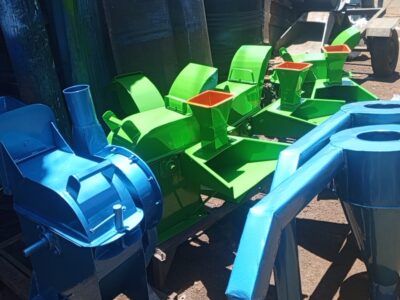
A diesel-powered feed chopper is an agricultural machine designed to cut fresh and dry fodder into smaller pieces using rotating cutting blades. It uses a diesel engine to drive the cutting mechanism through a belt, pulley or direct transmission system, depending on the machine design.
A diesel-powered feed chopper is an essential machine for dairy farmers, livestock keepers and commercial fodder producers in Kenya. It helps farmers chop Napier grass, maize stalks, hay, sorghum, lucerne and other livestock feed materials into smaller, manageable pieces.
For farmers practising zero grazing, preparing animal feed manually can consume a lot of time and labour. A diesel feed chopper makes the work easier by processing large quantities of fodder within a shorter period. It also helps achieve more uniform chopping, making it easier for livestock to consume their feed and reducing wastage.
The machine is suitable for preparing different types of animal feed, including:
- Napier grass and elephant grass.
- Maize stalks and maize leaves.
- Dry maize stover.
- Hay and Boma Rhodes grass.
- Sorghum and millet stalks.
- Lucerne and other fodder crops.
- Sweet potato vines and other suitable green fodder.
The chopped materials can be used for direct livestock feeding or prepared for silage storage, depending on the moisture content and silage preparation method.
The 22HP diesel powered feed chopper is a heavy-duty fodder-cutting machine suitable for medium and large-scale dairy farms. It delivers increased power for chopping Napier grass, maize stalks, hay, sorghum and other livestock feeds. It is ideal for farmers with high daily fodder requirements who need faster and more efficient feed preparation.
Key features:
-
22HP diesel engine.
-
Available cooling configuration depends on engine model (air-cooled or water-cooled).
-
Suitable for green and dry fodder.
-
Heavy-duty cutting blades.
-
Designed for high-volume fodder preparation.
-
Independent operation without electricity.
-
Suitable for dairy farms and commercial livestock production.
18HP Diesel Powered Feed Chopper
The 18HP diesel powered feed chopper is designed for farmers with higher daily fodder requirements. Its more powerful engine provides additional power for demanding chopping operations.
It is suitable for larger dairy farms, livestock projects, commercial fodder preparation and farmers who need to process substantial quantities of Napier grass and maize stalks.
Key features:
- 18HP diesel engine.
- Heavy-duty cutting system.
- Suitable for green and dry fodder.
- Designed for continuous farm feed preparation within the manufacturer’s operating limits.
- Suitable for larger livestock units.
- Independent operation without grid electricity.
- Available with different feeding and discharge configurations.
A 18HP silage-chopper has an output capacity of approximately 5,000–7,500kg per hour.
Difference Between Air-Cooled and Water-Cooled Diesel Engines
Diesel feed choppers are available with different engine cooling configurations. The cooling system helps regulate engine temperature and prevents overheating during operation.
- Air-Cooled Diesel Engine
An air-cooled diesel engine uses air circulation to remove heat from the engine. It normally has cooling fins around the cylinder and a fan that directs air over the hot engine surfaces.
The movement of air helps maintain the engine’s operating temperature without requiring a radiator or coolant.
Advantages of an air-cooled engine:
- Does not require radiator coolant.
- Simple cooling arrangement.
- Fewer cooling-system components.
- Easier routine maintenance.
- No radiator water leakage problems.
- Suitable for many small and medium farm operations.
Air-cooled engines require adequate ventilation and regular cleaning of cooling fins. Dust, grass particles and dirt can block airflow, causing the engine to overheat.
- Water-Cooled Diesel Engine
A water-cooled diesel engine uses coolant circulating around the engine block to absorb heat. The heated coolant moves to a radiator, where heat is released into the surrounding air before the coolant circulates again.
This arrangement provides controlled engine cooling, especially when the machine is working under sustained heavy loads.
Advantages of a water-cooled engine:
- Effective heat management during demanding operations.
- Suitable for extended working periods when properly maintained.
- Helps maintain stable engine operating temperatures.
- Suitable for many medium and heavy-duty agricultural machines.
The farmer must regularly check the radiator, coolant level, hoses and radiator cleanliness. Never remove the radiator cap while the engine is hot.
Tractor PTO-Driven Feed Chopper
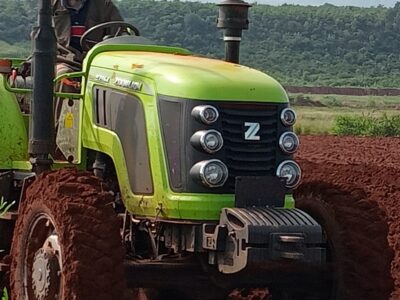
The tractor’s PTO shaft connects to the chopper through a compatible PTO drive shaft. When the tractor operates at the specified PTO speed, it drives the cutting mechanism.
PTO feed chopper power requirements
The tractor horsepower required depends on the size and design of the chopper.
For example, published tractor-operated chaff cutter specifications show the following configurations:
- Some smaller machines can operate with tractors of approximately 15HP and above.
- Heavy-duty tractor-mounted models may require 30–35HP or more.
- Larger commercial silage choppers may require 40HP tractors or higher.
These are different machine classes and should not be treated as interchangeable specifications.
PTO speed requirements
Common agricultural tractor PTO speeds include:
- 540 RPM.
- 1,000 RPM.
A machine designed for 540 RPM must not be operated at 1,000 RPM unless the manufacturer specifically approves that configuration.
Always confirm the required PTO speed, shaft size, spline arrangement and direction of rotation before connecting the machine.
Technical Specifications and Comparison
The following table gives useful reference specifications for selecting a feed chopper. These figures are based on published supplier listings and technical documents. Confirm the final specification sheet for the machine being supplied.
| Specification | 22 HP Diesel Model | 18HP Diesel Model | PTO-Driven Model |
| Power source | Diesel engine | Diesel engine | Tractor PTO or approved diesel drive |
| Engine capacity | 22 HP | 18HP | Depends on machine |
| Cooling system | Air or water-cooled, model dependent | Air or water-cooled, model dependent | Tractor engine cooling system |
| Reference cutting capacity | Up to 8000-12000 kg/hr on a published model | 5,000–7,500kg/hr on a published supplier listing | Model dependent |
| Cutting length | Blade and feed-rate dependent | Blade and feed-rate dependent | Blade and feed-rate dependent |
| Fuel consumption | Confirm engine-specific rating | Confirm engine-specific rating | Tractor fuel consumption depends on load |
| PTO speed | Not applicable | Not applicable | Commonly 540 or 1,000 RPM, as specified |
| Application | Small and medium farms | Higher-volume fodder preparation | Medium and large-scale operations |
Benefits of Using a Diesel-Powered Feed Chopper
- Saves time and labour
A diesel feed chopper reduces the time required to prepare animal feed manually. Farmers can process more fodder and spend more time on other farm activities.
- Reduces feed wastage
Chopped fodder is easier to handle and distribute in feeding troughs. Properly sized fodder can also reduce selective feeding and wastage.
- Suitable for areas without electricity
Since it uses diesel, the machine can operate in remote farms where electricity supply is unavailable or unreliable.
- Supports silage preparation
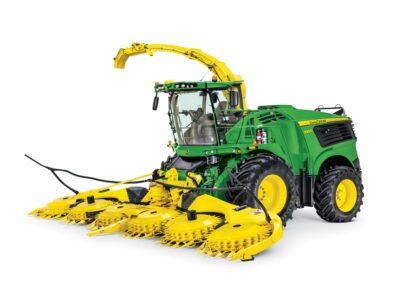
A feed chopper can cut maize stalks, Napier grass and other suitable crops into manageable pieces for silage making.
- Handles different fodder materials
Depending on the machine’s design, it can process different green and dry fodder materials, giving farmers greater flexibility.
- Supports commercial fodder production
Farmers producing and selling chopped fodder can benefit from faster processing and improved productivity.
How to Maintain Your Diesel Feed Chopper
Proper maintenance helps improve machine performance and extend its service life.
- Check engine oil before starting the machine.
- Clean or service the air filter regularly.
- Inspect the blades and sharpen or replace worn blades.
- Tighten loose nuts and bolts.
- Lubricate bearings and moving parts as recommended.
- Check belts and pulleys for wear.
- For water-cooled engines, check coolant levels and radiator condition.
- For air-cooled engines, keep cooling fins clean.
- Drain old fuel and follow the engine manufacturer’s fuel-storage instructions where necessary.
- Switch off the engine before cleaning, adjusting or servicing the cutting chamber.
Always keep safety guards in place and never push fodder into the cutting chamber using your hands.
Factors to Consider When Buying a Feed Chopper in Kenya
Before purchasing a diesel-powered feed chopper, consider the following:
- Number of animals: Choose a machine that can meet your daily fodder requirements.
- Engine horsepower: Match the engine capacity to the machine’s rated power requirement.
- Chopping capacity: Check the actual rated output in kilograms per hour.
- Cooling system: Choose between air-cooled and water-cooled configurations based on your working conditions.
- Cutting length: Confirm whether the machine offers adjustable cutting lengths.
- Fuel consumption: Request the manufacturer’s fuel consumption rating.
- Spare parts: Check availability of blades, belts, bearings and engine parts.
- Power source: Choose between an independent diesel engine and a tractor PTO option.