
Description
Pruning Knife: 4 Easy Types to Compare in Kenya
A Pruning Knife is a hand-held garden cutting tool with a sharp blade for controlled work on suitable stems, plant material and propagation tasks. Blade shape, handle security and the intended task matter more than a general label. Choose a knife that can be used safely and accurately rather than forcing one tool through every cutting job.
Before starting, identify the plant material, cutting purpose and hygiene needs. A knife can support close, precise work in a garden, greenhouse or nursery, but it is not a substitute for shears, loppers or a saw when a larger branch needs to be removed.
Pruning Knife: 4 types to compare
Pruning-knife names usually describe blade shape, a folding arrangement or a propagation purpose. Manufacturers may use different specifications, so inspect the exact blade, lock, handle and care instructions before buying. These four types cover common decisions.
1. Straight-blade pruning knife
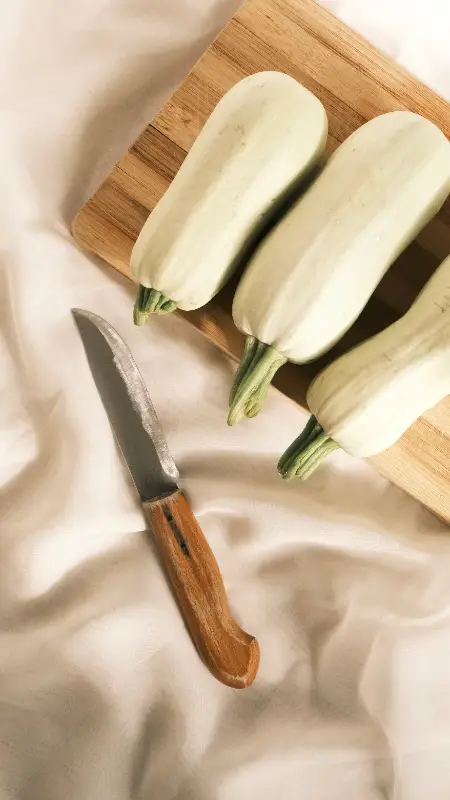 A straight-blade knife can be considered for general controlled cuts on suitable soft plant material and garden ties. Its simple profile may make the cutting line easy to see. However, the user still needs to keep the blade sharp, stable and directed away from their body. In addition, stop if the cutting path is not visible.
2. Curved-blade pruning knife
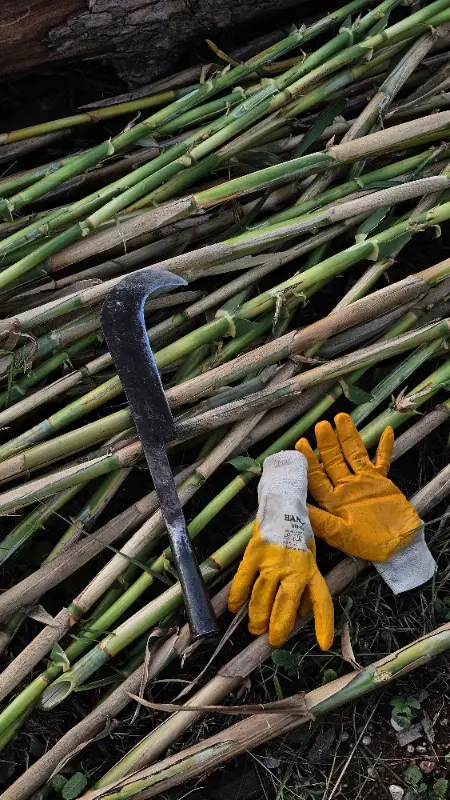
A curved blade can follow the shape of a stem in some gardening tasks. The Royal Horticultural Society’s tool-sharpening guidance distinguishes a curved pruning knife from a rectangular grafting knife. Therefore, select the blade shape for the specific movement rather than assuming that a curve makes every cut easier.
3. Folding pruning knife
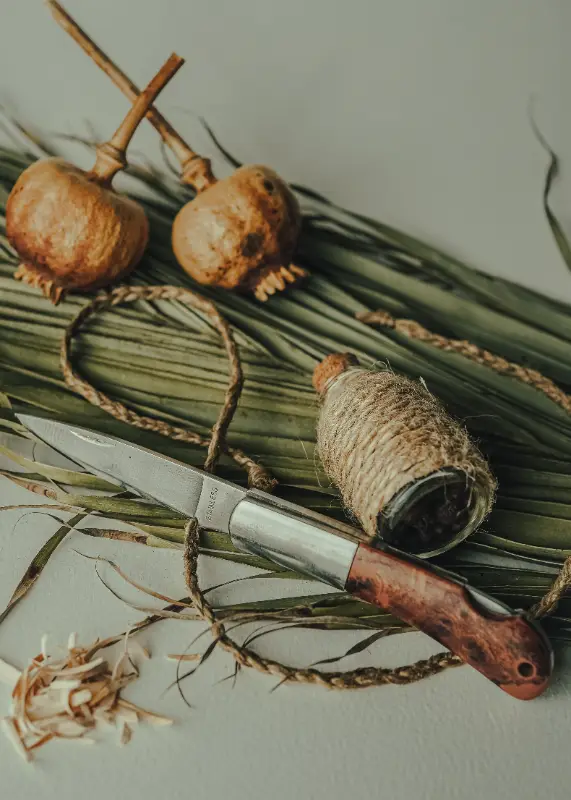 A folding model stores its blade inside the handle when closed. It may be convenient to carry, but the hinge and lock need inspection before each use. Therefore, do not use a folding blade if the lock does not engage reliably or the pivot has excessive movement.
4. Grafting and budding knife
A grafting or budding knife is a specialised propagation tool. Some models include a bark lifter, while others have a blade shape intended for precise joining work. Grafting requires crop-specific knowledge, compatible material and careful sanitation; buying a knife alone does not make a propagation method suitable.
Compare Pruning Knife designs
| Design | Task to consider | Detail to verify |
|---|---|---|
| Straight blade | General controlled cuts on suitable material | Blade edge, handle grip and sheath or storage |
| Curved blade | Close trimming or harvesting movements | Blade profile, control and sharpening guidance |
| Folding blade | Portable garden work | Lock, pivot movement and closed storage position |
| Grafting or budding blade | Specialised propagation work | Blade geometry, hygiene and method-specific training |
Use the table to narrow the choice, then compare the exact model. For example, two folding knives can have different lock designs and handle textures. Similarly, a grafting knife may be inappropriate for routine woody pruning even if its blade is sharp. In that case, choose the tool designed for the job.
Main uses of a Pruning Knife
A suitable garden knife can help with close, deliberate work when the material and technique are suitable. It should not be used as a general lever, saw or heavy branch cutter. Therefore, work slowly enough to keep the blade and your supporting hand under control.
- Trimming suitable soft stems. Make a controlled cut only where the crop or plant-care method calls for it.
- Harvesting selected stems. Cut suitable flower, herb or vegetable stems without pulling the plant.
- Preparing propagation material. Use a specialised blade and method for grafting or budding only when the crop plan requires it.
- Removing damaged plant material. Work from an informed diagnosis and clean the blade where disease control is necessary.
- Cutting plant ties or twine. Hold the material clear of the plant and your fingers before cutting.
- General nursery tasks. Keep the tool limited to its intended cutting action and avoid contact with irrigation parts or trays.
For larger branches, change tools instead of applying more force. The RHS tree-pruning guide distinguishes work on thinner branches from larger-branch removal that needs a suitable saw or other equipment.
Using a Pruning Knife around plants
Make cuts only when you know the purpose and position. A clean cut can be useful, but a sharp blade does not remove the need for correct timing, plant knowledge and hygiene. Therefore, avoid slicing toward the stem, crown or supporting hand, and do not cut through material that hides the blade path.
Also, inspect the work area first. Irrigation tubes, plant supports, labels and fingers can be damaged during close cutting. In a greenhouse or nursery, keep a dedicated clean space for tools and plant material rather than leaving an open blade on a bench or tray.
Pruning Knife use for grafting and budding
A specialised grafting knife may help make precise cuts in propagation work. The method still depends on plant compatibility, the health and identity of the scion and rootstock, timing, aftercare and the grower’s skill. Therefore, do not describe an ordinary garden knife as a grafting tool unless the manufacturer says it is designed for that use.
Keep the blade extremely sharp and clean for propagation work. The RHS notes that grafting and propagation knives need a razor-sharp edge for best results. However, sharpening also presents a cut hazard, so follow the maker’s sharpening directions and keep the blade directed away from the body.
Pruning Knife blade and handle features
Look at the complete tool, not only the blade material. Stainless steel may suit users seeking corrosion resistance, while carbon steel can need more careful cleaning and drying. In either case, actual performance depends on construction, finish, maintenance and intended use.
Next, check the handle shape, grip texture and balance. A handle should allow stable control without encouraging a cramped hand position. For a folding design, also confirm that the blade opens and closes smoothly and that the lock holds during ordinary intended use.
Pruning Knife versus related cutting tools
A knife is one part of a garden cutting-tool set. Pruning shears make controlled cuts on suitable stems and branches within their listed capacity. Loppers provide more leverage, while pruning saws are used for larger branch work. A specialised grafting knife serves a different task from routine plant trimming.
Choose the tool that matches the required cut. Do not use a knife to pry, chop or cut a branch that needs a saw or lopper. Likewise, do not use pruning shears where a clean, close propagation cut calls for a specialised, sharp grafting blade. Instead, pause and select the purpose-built tool.
Current public shop searches found no live Pruning Knife, grafting knife, budding knife, lopper or pruning-saw product. A related live product is available for Pruning shears; its variation options list different cutting-tool types and stated capacity ranges. Review the selected variation before ordering because shears are not a replacement for every knife task.
How to choose a Pruning Knife
Start with the task: routine close trimming, harvesting, portable garden work or specialised propagation. Then compare blade shape, handle comfort, safe storage, maintenance needs and the manufacturer’s stated intended use. However, a more expensive or longer blade does not automatically improve safety or precision.
- Confirm the intended task. Keep general trimming and specialised grafting decisions separate.
- Inspect blade condition. Look for corrosion, chips, looseness or an uneven edge.
- Check handle control. Test grip and balance with clean, dry hands.
- Assess the folding lock. A folding knife must open, lock and close as designed.
- Plan safe storage. Use the closed position, a sheath or another maker-approved protective arrangement.
- Consider maintenance. Confirm how the maker says to clean, sharpen and lubricate the tool.
Finally, stop if a task needs too much force, a blade path cannot be seen or the correct tool is unavailable. Choosing another method is safer than trying to make a small knife perform a heavy-cutting job.
Using a Pruning Knife safely
Before using the knife, check the blade, handle and any folding lock. Then keep the cutting path away from hands and body, maintain stable footing and cut only when the material is held securely. Never leave the knife open in a path, on a workbench or inside a tray.
Close a folding blade before carrying it. Store fixed-blade tools in a suitable sheath or protective storage arrangement. Keep cutting tools away from children and unauthorised users, and replace or professionally service a damaged blade or handle.
For elevated branches, heavy material, electrical hazards or any task that cannot be controlled from a stable position, use a more appropriate tool or qualified help. This article is not a substitute for workplace safety procedures or crop-specific training.
Cleaning and maintaining a Pruning Knife
First, remove sap, soil and plant debris after use. Next, dry the blade before storage and follow the maker’s instructions for sharpening and any protective oil. The RHS guidance recommends wiping a garden-knife blade clean and storing it somewhere clean and dry after sharpening.
When disease risk is relevant, clean before disinfecting. The RHS garden-hygiene guidance advises cleaning tools, pots and pruning tools, especially in vulnerable spaces such as greenhouses and potting areas. Follow the crop protocol and the disinfectant label for the actual task.
Do not mix chemicals or apply a product contrary to its label. After cleaning, inspect the blade edge, handle, lock and fasteners. Stop using the tool if any part is loose, cracked or unable to lock or store safely.
Pruning Knife: frequently asked questions
What is a Pruning Knife used for?
It is used for close, controlled work on suitable plant material, including some trimming, harvesting and propagation tasks. The design and maker’s instructions determine its appropriate use.
Can a pruning knife cut branches?
Use it only within the intended purpose and on material that can be cut safely and controllably. Switch to shears, loppers or a saw when the branch requires another tool.
What is the difference between a pruning knife and a grafting knife?
A pruning knife commonly has a curved blade for close plant work, while grafting knives are specialised for propagation cuts. Check the exact model rather than assuming the labels are interchangeable.
Should a pruning knife be disinfected?
Clean it after use, and disinfect it when the crop protocol or disease risk calls for sanitation. Remove visible debris first and follow the disinfectant label.
Are folding pruning knives safe?
They can be stored more safely when closed, but use depends on a working lock, sound pivot and controlled handling. Do not use a folding knife with a damaged lock.
Can I sharpen a pruning knife?
Many knives can be sharpened according to the maker’s instructions. Keep the blade stable, preserve the intended edge and stop if professional service is needed.
Ask about a Pruning Knife before ordering
Before buying a garden knife, describe the plant task, material, blade preference, expected frequency and storage needs to the supplier. Ask whether the model is intended for general trimming, grafting or budding, and confirm its blade care and safety features. Finally, confirm current availability and price before placing an order.
For Eunidrip enquiries, call +254 728 163329. A pruning knife is not currently represented by a matching public product listing, so ask for current availability and specifications rather than treating this article as a stock page.