
Description
Petrol Powered Feed Chopper For Sale in Kenya.
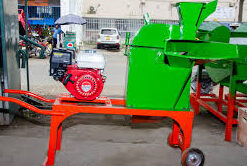
A petrol powered feed chopper is an agricultural machine designed to cut fresh and dry animal fodder into smaller pieces. It operates using a petrol engine connected to a rotating cutting mechanism.
A petrol powered feed chopper provides a convenient way to mechanise this task. Designed for agricultural feed preparation, the machine uses an internal combustion petrol engine to drive a cutting assembly that processes suitable fodder into shorter pieces.
Livestock farming requires a consistent supply of properly prepared animal feed. For dairy farmers, the daily work of harvesting, transporting and preparing fodder can become demanding, particularly when handling several animals. Long grass stems and bulky crop residues also take considerable effort to cut into manageable portions using traditional hand tools.
The petrol engine makes this equipment particularly useful for farms that need an independent power source. Farmers can operate the machine without depending on a fixed electrical connection, making it a practical addition to rural livestock operations.
7.5HP Petrol Feed Chopper
The 7.5HP model is designed for farmers looking for a petrol-driven solution for regular fodder processing. Its engine provides the power needed to operate the cutting mechanism when processing suitable grass and agricultural residues.
It is worth considering for:
- Dairy farmers with routine daily fodder requirements.
- Smallholder livestock projects.
- Farmers practising zero grazing.
- Goat and sheep keepers.
- Farms that need an independent petrol-powered machine.
For a farmer who wants to reduce dependence on manual fodder preparation, this engine option provides a useful entry point into mechanised feed processing.
10.5HP Petrol Feed Chopper
For farmers considering a higher horsepower option, the 10.5HP model provides additional engine power. The extra horsepower is useful when selecting equipment for more demanding farm operations, subject to the machine’s cutting chamber and feeding design.
Potential applications include:
- Regular processing of larger fodder batches.
- Livestock farms with higher feed preparation demands.
- Farmers handling different suitable forage materials.
- Agricultural projects that require a more powerful engine option.
The choice between the two models should consider the machine’s actual rated output rather than horsepower alone.
Product Specifications and Performance
When comparing petrol feed choppers, buyers should look beyond the engine rating. The cutting mechanism, feeding inlet, blade configuration and discharge arrangement all influence the final performance.
| Product specification | 7.5HP | 10.5HP |
|---|---|---|
| Equipment | Petrol feed chopper | Petrol feed chopper |
| Engine rating | 7.5HP | 10.5HP |
| Fuel | Petrol | Petrol |
| Power transmission | Engine-driven | Engine-driven |
| Cutting mechanism | Rotating blades | Rotating blades |
| Intended application | Fodder preparation | Fodder preparation |
How Much Fodder Can It Chop Per Hour?
The chopping capacity determines how much feed a farmer can prepare within a given period.
Published specifications for comparable petrol chaff cutters vary considerably. Some 7.5HP machines are at approximately 200–400kg per hour, while other machine designs have higher production figures.
Factors affecting output include:
- The width and design of the feeding inlet.
- Number and arrangement of cutting blades.
- Fodder thickness and maturity.
- Moisture content of the material.
- Operator feeding rate.
- Engine operating speed.
For commercial buyers, it is advisable to request a demonstration using the type of fodder they intend to process.
Petrol Consumption and Running Costs
Consumption is influenced by engine displacement, load, engine condition and operating speed. A machine processing thick, mature stalks may require a different amount of fuel from one handling softer grass.
Farmers can also manage running expenses by servicing the engine regularly, cleaning the air filter, using the correct engine oil and avoiding unnecessary idling.
Fodder Cutting Length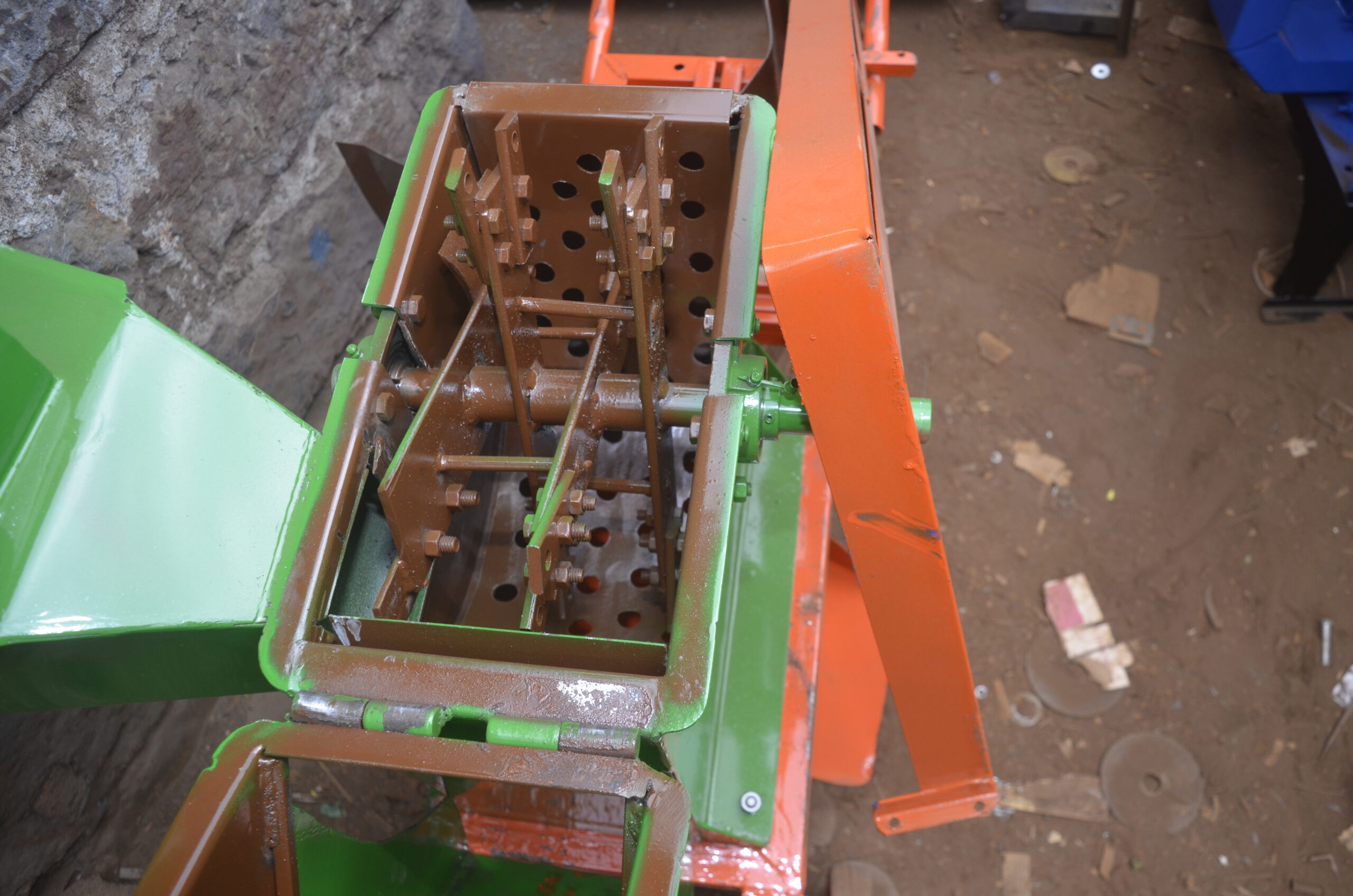
Cutting length affects how the prepared material can be used during livestock feeding.
For example, dairy farmers may prefer shorter pieces when mixing chopped forage with other feed ingredients. Silage preparation also requires suitable particle sizes to allow effective compaction and removal of trapped air.
The actual cutting length depends on the machine’s blade arrangement and design. Some choppers have fixed cutting lengths, while others offer different cutting settings.
What Makes Petrol-Powered Feed Processing Useful on a Farm?
1. Independent Engine Operation
One of the main practical features of this machine is its petrol engine. It does not require a direct electricity connection to operate.
This is useful for farmers working in areas where power supply is unavailable or unreliable. It also gives more flexibility when choosing where to establish a fodder preparation area.
2. Convenient Starting and Operation
Petrol engines commonly use a spark-ignition system and may have a recoil pull-start mechanism, depending on the engine fitted.
The operator should follow the engine manufacturer’s starting procedure, including checking the fuel, oil and ignition components before use.
3. Flexible Farm Applications
A suitable feed chopper can process different forage materials, making it useful throughout the farming year. Farmers can use it when preparing fresh fodder, handling harvested crop residues or producing material for silage.
4. Reduced Dependence on Hand Chopping
Traditional chopping methods require considerable physical effort. Mechanised cutting reduces the manual work involved and helps farmers organise feed preparation more efficiently.
5. Useful for Different Livestock Enterprises
The machine can support feed preparation for dairy cows, beef cattle, goats and sheep, provided the material being processed is appropriate for the machine.
Suitable Materials for Processing
The type of material a chopper can handle depends on its construction and cutting mechanism. Common agricultural forage materials include:
Napier grass: An important forage crop among Kenyan dairy farmers. Chopping helps break down its long stems into manageable pieces.
Maize stover: Maize stalks and leaves remaining after harvesting can be processed into smaller pieces for appropriate livestock feed applications.
Sorghum fodder: Suitable sorghum varieties can be chopped for livestock feeding and forage preservation.
Hay: Certain feed choppers can handle dry grass and hay, making them useful when preparing stored fodder.
Petrol Feed Chopper Maintenance: Keeping the Engine in Good Condition
A petrol-powered agricultural machine needs attention to both its engine and cutting assembly. Regular servicing helps prevent avoidable breakdowns.
Engine oil: Check the oil level before operation and change it according to the engine manufacturer’s instructions.
Spark plug: Inspect and service the spark plug as recommended. A worn or dirty plug can affect starting and engine performance.
Air filter: Clean the filter regularly, especially when working in dusty farm environments.
Fuel system: Use clean, appropriate petrol and keep the fuel tank and storage containers free from dirt and water contamination.
Cutting blades: Inspect the blades for wear, damage and sharpness. Replace damaged components with suitable replacements.
Drive components: Where the machine uses belts and pulleys, inspect them for proper tension and wear.
General cleaning: Remove accumulated grass and dirt after operation. Always switch off the engine and allow moving parts to stop before cleaning.
Safety Considerations When Using a Petrol Feed Chopper
Safe operation protects both the machine operator and other people working around the farm.
- Position the machine on a stable surface before starting.
- Keep children and unauthorised persons away from the working area.
- Never insert hands into the feeding inlet.
- Use suitable protective clothing, eye protection and hearing protection.
- Do not operate the machine with missing safety guards.
- Refuel only when the engine is switched off and cool.
- Keep petrol away from flames, sparks and smoking areas.
- Never attempt to clear a blockage while the machine is running.
- Follow the manufacturer’s operating and emergency shutdown instructions.
Petrol is highly flammable, so proper handling and storage are essential.
Frequently Asked Questions About Petrol Powered Feed Choppers
1. Which petrol feed chopper engine sizes are available?
The available engine options are 7.5HP and 10.5HP. The appropriate choice depends on the farmer’s intended workload and the machine’s rated performance.
2. Is a petrol powered feed chopper suitable for dairy farming?
Yes. It can be used to prepare suitable fodder for dairy cattle, including Napier grass and other forage materials.
3. Can the machine operate without electricity?
Yes. It uses a petrol engine as its power source and does not require a mains electricity connection.
4. Can I use the machine to prepare silage?
Yes, provided the machine can produce the required particle size for the silage material. Proper ensiling, compaction and airtight storage remain important.
5. Does the 10.5HP machine chop more fodder than the 7.5HP model?
The 10.5HP engine has a higher power rating. However, the difference in hourly output depends on the cutting assembly, feeding mechanism and overall machine design.
6. What determines the petrol consumption of the machine?
Engine size, workload, operating speed, maintenance and the type of fodder being processed influence fuel consumption.
7. How do I know the correct cutting length?
Check the manufacturer’s cutting specifications. The required length depends on the intended application, such as fresh livestock feeding or silage preparation.