

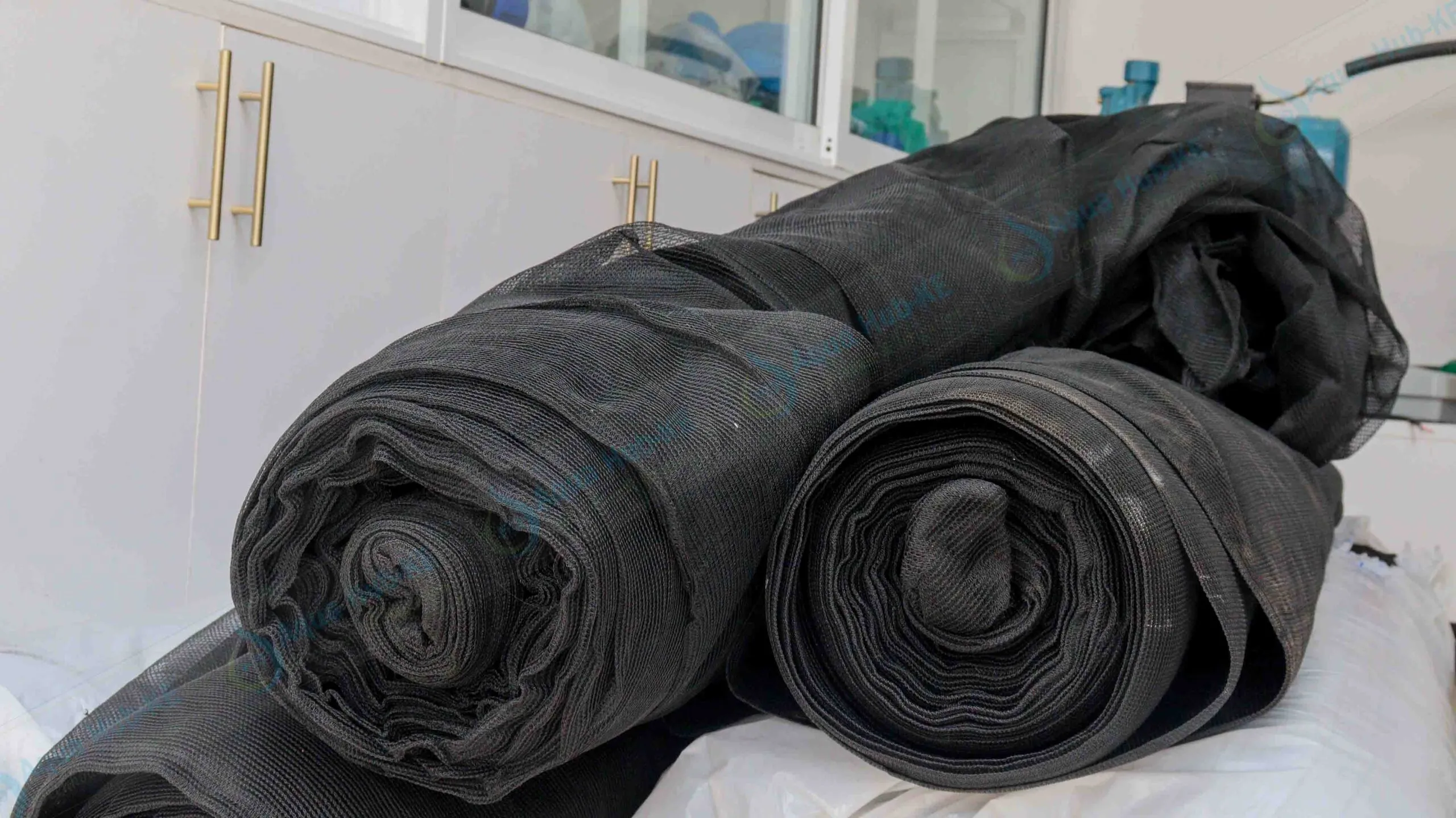
Description
If you are searching for shade nets for sale in Kenya, you already know what unprotected crops face during the hottest months — scorched leaves, wilting seedlings, and yields that never reach their potential. Our shade nets are manufactured from 100% Virgin High-Density Polyethylene (HDPE), UV-stabilized to survive Kenya’s intense sunlight for up to five years, and supplied in every filtration percentage and roll size a farm, nursery, or commercial net house could need. Whether you are covering a small kitchen garden or fitting out a full net house for export vegetables, we deliver countrywide and back every order with free technical guidance on the right shade percentage for your crop.
Shade netting has become one of the fastest-growing categories in Kenyan horticulture because it solves a problem drip irrigation alone cannot: heat and light stress. A farmer can install the best drip irrigation system design available, but if the crop underneath is scorching in direct sun, water efficiency gains are wasted. Shading and irrigation work together, which is why most of our net house clients also buy a complete irrigation kit at the same time.
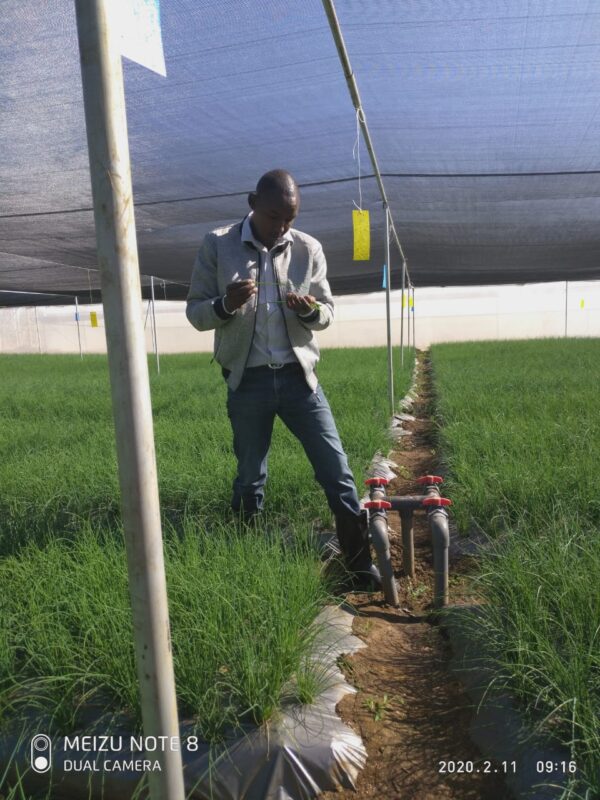
Shade Net Percentages and Their Uses
Not all shade nets provide the same level of protection. They’re rated by the percentage of sunlight they block, and choosing the right shade percentage is one of the most important decisions you’ll make. Using a net that’s too light or too dark can affect crop growth and yields.
A 35% shade net offers the lightest coverage, allowing about 65% of sunlight to pass through. It’s ideal for hardy field crops and general farm use where the goal is simply to reduce excess heat without significantly limiting sunlight.
The 50% shade net is the most commonly used option by Kenyan farmers. It provides the perfect balance between sunlight and protection, making it suitable for crops such as tomatoes, capsicum, kale, spinach, and many other leafy vegetables. It helps prevent heat damage while still giving plants the light they need to grow well.
For young plants, a 75% shade net is often the better choice. It blocks more sunlight, creating a cooler, gentler environment that’s ideal for seedling nurseries, flower propagation, and newly transplanted crops that need extra care while establishing their roots.
A 90% shade net provides the highest level of shade, allowing only a small amount of sunlight through. It’s best suited for crops that thrive in very low light, such as mushrooms, orchids, and delicate seedlings that require maximum protection from direct sun.
Choosing the right shade percentage for your crop ensures healthy growth, better yields, and a stronger return on your investment.
Recommended Shade Net Percentage by Crop
Choosing the right shade net percentage is important because different crops have different light and temperature requirements. While general shade-net filtration charts can provide a useful starting point, selecting the right percentage for your crop can make a significant difference in plant growth, yield, and overall crop health.
Shade Net Recommendations for Different Crops
Here is a practical crop-by-crop guide to help you choose the appropriate shade level:
- Tomatoes and Capsicum: 50%–55% shade — Provides protection from excessive sunlight and heat while allowing sufficient light for healthy vegetative growth and fruit development.
- Kale, Cabbage, and Leafy Vegetables: 40%–50% shade — Helps reduce heat stress and leaf scorching while maintaining adequate light for continued growth.
- Seedlings and Nurseries: Up to 75% shade — Young plants are more sensitive to intense sunlight and heat, so higher shade levels can provide a gentler environment during establishment.
- Flowers and Ornamentals: 50%–75% shade — The ideal percentage varies considerably depending on the plant species, variety, and stage of growth.
- Mushrooms and Orchids: Around 90% shade — These crops generally require highly controlled light conditions, making heavy shade more appropriate.
- Passion Fruit and Other Vine Crops: 35%–40% shade — Provides protection from excessive heat and sunlight while still allowing sufficient light for vigorous vine development.
Shade Net Prices in Kenya (2026)
Shade net pricing in Kenya is generally quoted two ways: per square metre for small or custom orders, and per roll (4m × 50m) for net house construction and commercial farms. As of 2026, a 35% net costs around Ksh 95 per square metre or Ksh 19,000 per roll. A 50% net is priced similarly, at roughly Ksh 100 per square metre and Ksh 19,000 per roll.
A 75% net rises to about Ksh 110 per square metre or Ksh 24,000 per roll, and the heaviest 90% grade costs approximately Ksh 120 per square metre or Ksh 28,000 per roll. These figures are indicative and can shift slightly with order size, custom widths, and delivery location, so bulk buyers and net house contractors should request a direct quote for the most accurate pricing.
| Filtration | Price per m² | 4m × 50m Roll |
| 35% | Ksh 75 | Ksh 12,000 |
| 50% | Ksh 95 | Ksh 13,500 |
| 75% | Ksh 120 | Ksh 19,500 |
| 90% | Ksh 125 | Ksh 25,000 |
Shade Net Sizes We Supply
Our shade nets are available in standard widths of 3m, 4m, and 8m, in roll lengths of 50m or 100m, which covers the vast majority of nursery covers, greenhouse shading, and full net house builds. For larger commercial installations, custom-cut sizes are available on request, and our team can help calculate exactly how much netting a given structure will need before you commit to an order — a step that prevents the common and costly mistake of under-ordering mid-project.
Benefits of Shade Nets
Shade nets do much more than block the sun—they help create a healthier, more productive growing environment for your crops. By lowering temperatures under the net, they reduce heat stress and prevent sunscald on delicate fruits and vegetables, helping farmers harvest better-quality produce.
They also help the soil retain moisture by reducing evaporation, often cutting water loss by up to 30%. This means you’ll irrigate less often, saving both water and money, especially when using a drip irrigation system.
Shade nets also provide an extra layer of protection against harsh weather. They can reduce damage from strong winds, hail, and even light frost, giving crops a better chance to thrive in changing weather conditions. For shade-loving crops, they make it possible to keep growing even during Kenya’s hottest months, extending the production season and improving overall yields.
Built from UV-stabilized HDPE material, quality shade nets are designed to withstand Kenya’s outdoor conditions. With proper installation and maintenance, they can last up to five years, making them a practical, long-term investment that pays for itself over multiple growing seasons.
Net House Construction Services
Buying the netting itself is only part of the job — how it is installed determines whether it lasts the full five years or tears apart in the first strong wind. Beyond supplying shade nets, our team designs and builds complete net houses and shade structures for commercial farms across Kenya, from simple seedling covers to full-scale export-grade net houses.
If you are already running, or planning, a greenhouse, shade netting is often used alongside or inside the structure for an extra layer of climate control, and we also supply the greenhouse tape needed to seal and secure your covering material against wind damage. For farms combining shading with irrigation, our team can walk you through a complete drip irrigation system design so that water delivery and shade percentage are matched to the same crop from day one.
If you are setting up a new project rather than adding to an existing one, it is worth speaking to our irrigation equipment suppliers team first — a free site assessment before you buy shade nets, pipes, or pumps can save significant rework later, since shade percentage, irrigation layout, and structure design all influence each other.